A Hall of Fame marching band director from Fort Mill tells you how it’s done
AI-generated summary reviewed by our newsroom.
- Martin Dickey built top-tier programs at three Fort Mill-area high schools.
- Strong band programs rely on community backing, student effort and funding.
- Competitive bands demand year-round commitment, not just seasonal focus.
This fall marks 30 years since Martin Dickey took over as band director at Fort Mill High School, and area marching bands haven’t been the same since.
Now retired, Dickey understands as well as anyone what it takes to build and maintain a championship program.
He won eight state titles at Fort Mill before opening Nation Ford High in 2007, where he won seven more. He moved across town again to lead Catawba Ridge High when it opened six years ago. Since Dickey retired four years ago, Catawba Ridge has three marching band titles.
Dickey is a member of the South Carolina Band Directors Association and International Bandmasters Fraternity halls of fame.
He was nominated for a Grammy in music education. He’s worked with the U.S. Army All-American Marching Band. Dickey marched local high school bands in the Tournament of Roses Parade on New Year’s Day and the Macy’s Thanksgiving Day Parade in the fall.
The Herald caught up with Dickey to get his thoughts on what makes marching bands, and public school music education, so strong in this part of South Carolina.

What have you been up to since retiring?
Since retiring I have been involved with several church music programs as well as writing drills for marching bands, judging concert festivals, marching competitions and doing a tremendous amount of consulting work with bands and their directors. I have also been working in the classroom from time to time when needed to fill in.
What is it about this part of the state that’s led to so much success for its band programs?
It is not only the work of band directors, but the work of school administrators, band parents providing countless hours of support and the tremendous effort of many students. In Fort Mill specifically it truly is a community effort to support the band programs, from the superintendents all the way to the families. We have always set high standards and expectations, and the Fort Mill community has always delivered.
What’s something most people wouldn’t know about the effort it takes to create a championship-caliber marching band?
The incredible efforts of band students and parents to raise the amount of money it takes to create a championship-caliber band program. It takes several hundred thousand dollars each year to have the type of programs we have come to enjoy in York County. Community support is crucial to the program’s success and our parents are very thankful for this support.
How is the teaching a band director does similar to coaching another competitive program or sport at a high school? How is it different?
It is very similar in many respects; however, band is not seasonal, but rather year-round. Bands must go seamlessly from marching band for football and competitions, to Christmas concerts, to region and all-state bands, to state concert band assessment, to solo and ensemble events, to spring concerts and many other obligations.
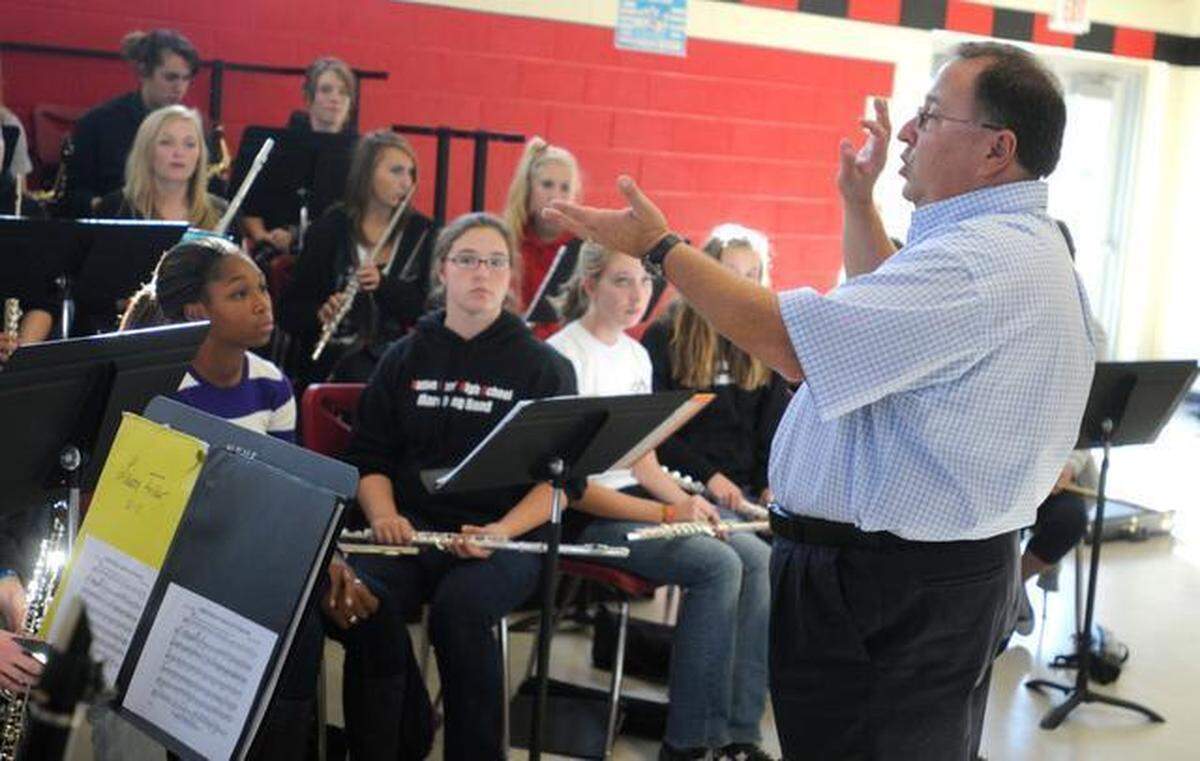
A talented musician fresh out of school wants to become a high school band director, and asks for your advice. What’s the first thing you’d tell him or her to look for in a school when weighing options?
The first thing I tell them is to make sure they love music. It takes a great deal of learning and time to be a high school band director and you better love it. When looking for a school I recommend they look at several schools with successful music education programs and determine which schools “feel right” when they visit.
In what ways did you see competitive marching band change over your career in this area, or have you seen since?
Competitive marching bands continue to get better musically and visually. If the band does not have a strong concert band and winter program they will not have a competitive marching band. It is imperative that bands continue to put music as their highest priority.
Beyond state titles, why are band programs important?
Band and music have been proven to improve mood, reduce stress, provide positive motivation, physical activity and endurance. Participating in band is known to improve mental alertness, enhance concentration, stimulate nearly every region of the brain, provide social connections and a sense of belonging. There are so many important lessons that students learn by participating in the band program, I could go on and on.
This story was originally published September 4, 2025 at 5:30 AM.