Decision on Clover schools impact fee held up again. These issues are the reason
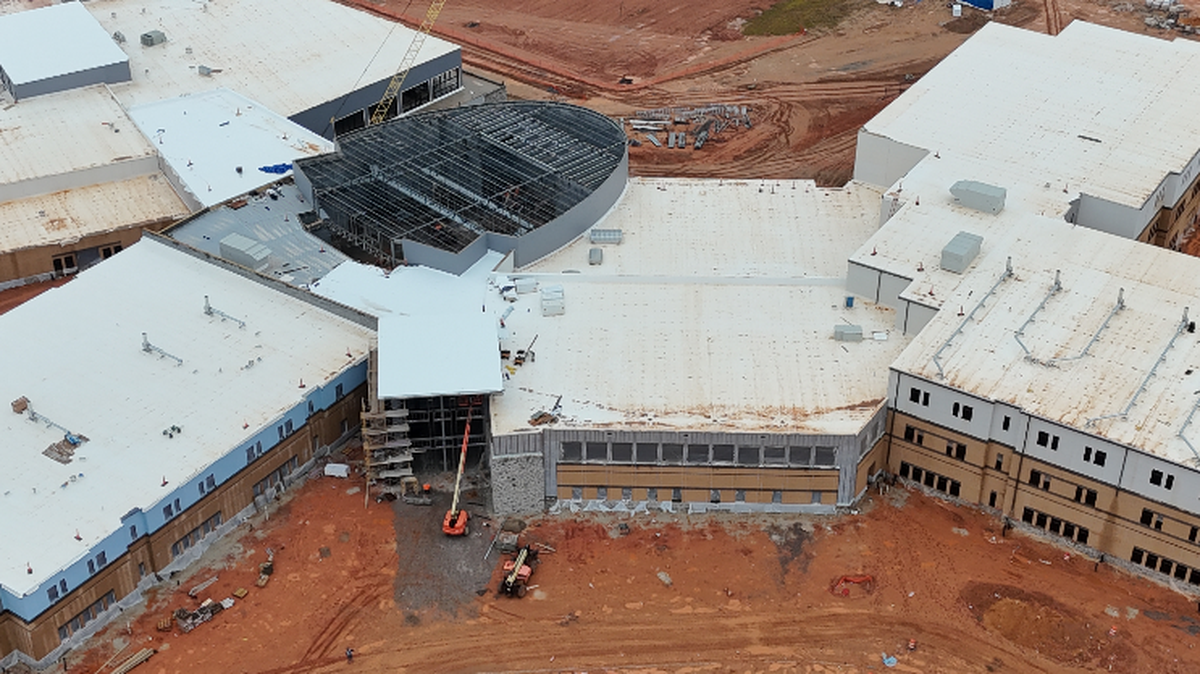
Despite more public pressure to increase fees on new homes in Clover and Lake Wylie, York County officials haven’t made it any clearer this week what they intend to do about the issue.
After one indication that the county might increase fees to fund capital projects for schools, York County Council put off a decision to get more legal advice. That means Council still needs two more votes to approve any fee changes, along with a public hearing scheduled for Nov. 17.
Details behind the impact fee decision show there are several issues still to be resolved:
What are impact fees, and what could change?
York County created an impact fee for the Clover School District in 2020. Builders would pay when they pulled permits for new residences, and the district would use that money to pay for capital projects.
Builders typically pass their increased cost on to homeowners through a higher sales price.
Despite a study showing the fees could be nearly four times higher, the county went with fees of $4,000 per home, $1,976 per apartment and $2,618 per mobile home.
The school district brought out a new study this year showing the fees could be more than $21,000 per home, $10,000 per apartment and $16,000 per mobile home. Instead, the district asked York County to use the proposed fee amounts of $15,035 per home, $7,430 per apartment and $9,842 per mobile home from the 2020 study.
County funding questions ahead of impact fees
Council asked the school district for answers on how impact fees would be spent, and on other funding options that could be used instead. A review of impact fees is required by the state every five years, but the list of capital projects that money would fund only has to be updated every 10 years.
The same high school, elementary school and activity buses on the capital projects list five years ago remain on the list now, said school district Superintendent Sheila Quinn.
“Our projects are ongoing,” she said, “and they’re over budget.”
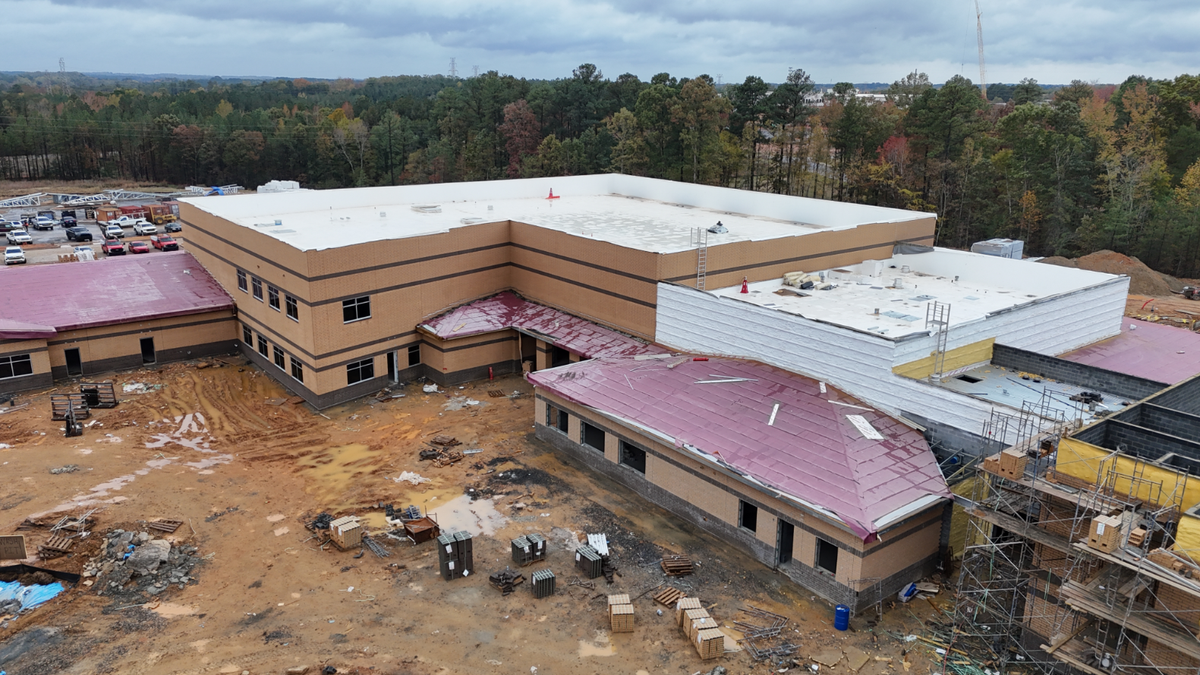
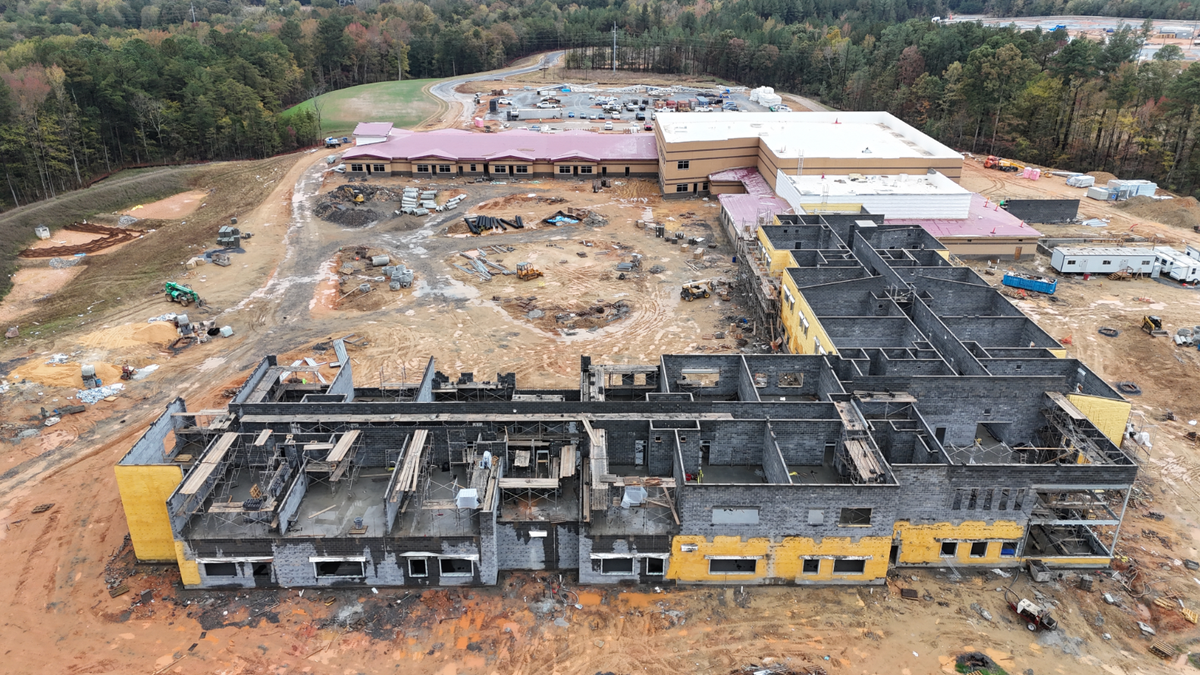
The capital list five years ago projected a high school would cost $172 million. The actual cost for Lake Wylie High School, to open next fall, is $191 million.
Liberty Hill Elementary school went from a projected $39 million to $56 million. The 11 activity buses went from $110,000 each to $144,000.
“Our district is seeking to offset these increases by using impact fees, which is exactly what impact fees are to be used for,” Quinn said. “And it allows for growth to pay for the cost of these increases rather than our taxpayers.”
Council concerned with timing of school costs
After York County approved impact fees for Fort Mill schools in 2018, there were legal challenges that included questions of whether impact fees could be used for recently completed or ongoing projects.
The county determined fees should be used for new projects.
Several questions from the county involve project timing. A stadium for Lake Wylie High was included in initial projections for the high school, Quinn said, but it’s since been pulled due to cost escalations. Once estimated at $6.3 million, it’s now $10 million.
Council also asked how impact fees would fit in among other funding sources.
Of the nearly $250 million of capital needs list items based on current cost projections, the district will fund $156 million through bonds from a 2022 referendum. Another $16 million will come from district capital funds.
The remainder will be a mix of short-term bonds the district is allowed to issue within 8% of its assessed property tax value, special obligation bonds and impact fees.
QTS data center impact on school funding
South Carolina tax law puts the cost of capital funding for schools largely on businesses. Historically, the Clover district has benefitted from having Catawba Nuclear Station as a large provider of property tax revenue.
Now, QTS Data Centers will add to the mix.
Council asked county staff for details on how that company will impact funding when it opens in Lake Wylie. The data center company negotiated tax incentive agreements with the county two years ago based on a projected $1 billion investment. The latest plans show a nearly 5.3 million-square-foot center.
The company should be open within three years, said York County Manager Josh Edwards.
While there are timing issues to factor in, the company would provide about $5 million annually for the school district for five years, Edwards said. That amount would go up 5% after five years, and again after each five-year period through the 40-year incentive deal.
County gives mixed signals on fee changes
On Oct. 6, Council had a vote on its agenda to increase impact fees to the maximum amounts from the 2020 study. Instead, Council voted 5-2 against that move and the same five council members opted to raise the home fee from $4,000 to $7,000. Apartments and mobile homes would increase on a similar scale.
Council came back for a second reading on Oct. 20 to vote on the smaller amounts. Decisions typically, and in this case, take three Council readings.
A wave of county residents spoke out in favor of higher fees, and Council pushed a decision off until this month. When the agenda came out for Monday’s meeting, the fees up for vote were back to the higher amounts from the 2020 study.
Yet Council pushed back a decision again, citing a need for more legal advice in executive session.
Among the legal frustrations Council members have expressed, there’s state law that limits some impact fee exemptions the county might want.
There are exemptions for age-restricted senior living communities, for instance, but not for properties held for many years when families may want to portion off a little for a new home.
Public input favors higher fees
There have been a few voices in opposition to higher impact fees, including from builders concerned about home affordability and residents who don’t think families should have to pay fees when they parcel off properties.
The vast majority of people coming to the county with fee concerns, though, want higher fees.
Franklin Pendleton, who spent 24 years on the Clover school board, said the issue is one of new residents in a growing community paying their fair share of growth costs.
“Studies have been done,” he told Council on Monday. “We all know what that amount is. Do what’s fair.”
Resident Brittany Terry noted the Council member that represents Lake Wylie and most of Clover is different today than in 2020 when Clover got reduced fees. And that countywide, it’s the pro-schools candidates who have been elected in recent years.
“That’s not a coincidence,” Terry said. “That’s the power of a community that refuses to accept less for its children.”
Like in Fort Mill, residents in the Clover district haven’t seen a slowdown of people moving to the area even as fees have begun or increased.
“People move here for the schools,” Terry said. “They stay here for the schools. And they vote based on who protects those schools.”