
Fort Mill schools ask the governor to let Silfab Solar stay — with a catch
The Fort Mill School District wants top state and county officials to mandate what could serve as a compromise on Silfab Solar, allowing the company to stay where it is but removing hazardous chemicals from the site.
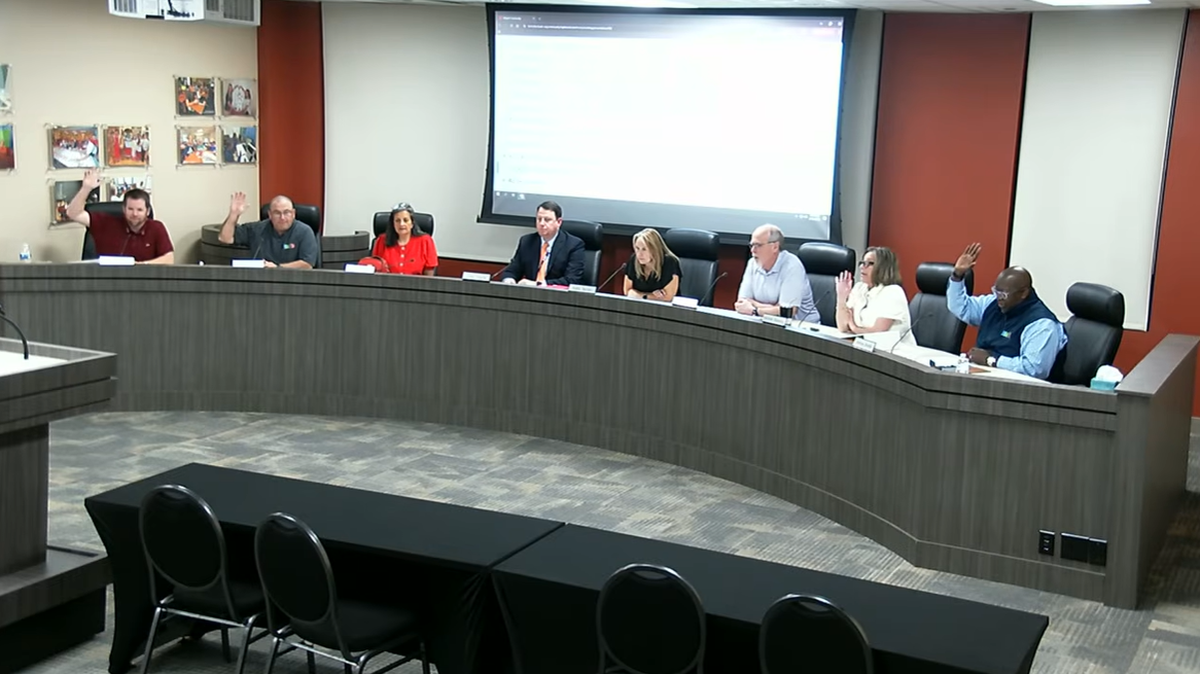
After more than three hours in closed door conversation for legal advice Tuesday, the Fort Mill school board voted unanimously to send a resolution calling for officials to “permanently restrict operations at the site to assembly process only.”
Canadian solar panel manufacturer Silfab Solar has a facility at 7149 Logistics Lane in unincorporated Fort Mill. It’s beside Flint Hill Elementary School, which opened last fall, and Flint Hill Middle School that is under construction and set to open this fall. Last week, two chemical releases were reported at the Silfab site that caused the school district to close Flint Hill Elementary for two days.
The school board planned to send the resolution to Gov. Henry McMaster, S.C. Attorney Gen. Alan Wilson, the state General Assembly, environmental services department and York County Council on Wednesday morning.
“The Fort Mill School District board of trustees believes that the continued large scale manufacturing and storage of hazardous chemicals at this location represents an incompatible land use with the surrounding educational environment,” board member Michele Branning said, in reading the resolution.
School board: Silfab spills caused fear for students
Neither chemical release was initially reported to the school district by York County Emergency Management or Silfab, according to the school board resolution. The incidents caused learning loss and fear among students and the school community, it said.
Silfab pushed back against parts of the resolution claiming schools weren’t notified, in a statement released Wednesday morning.
Silfab said it informed the school district prior to 5 p.m. March 5 that the company had agreed to voluntarily cease all operations for the following day “in consideration of their request and in the spirit of partnership with the school and community.
“After being notified of this fact, school officials still made the decision to close Flint Hill Elementary School for Friday,” Silfab said in its statement. “We recognize the district’s authority to determine school activities, and appreciate York County’s confirmation that there was ‘no threat to the public and was verified by Emergency Management on scene.’”
The resolution calls for the immediate removal of hazardous chemicals at the Silfab site that are incompatible with a light industrial zoning. The resolution asks for that solution to become permanent.
York County initially allowed Silfab to set up its operation in a light industrial zoning, before the county Zoning Board of Appeals voted that solar panel manufacturing should only be allowed in heavy industrial areas.
The county determined that ruling would apply to future projects, but not Silfab, since the company already had its zoning verification from that county for a project that was underway.
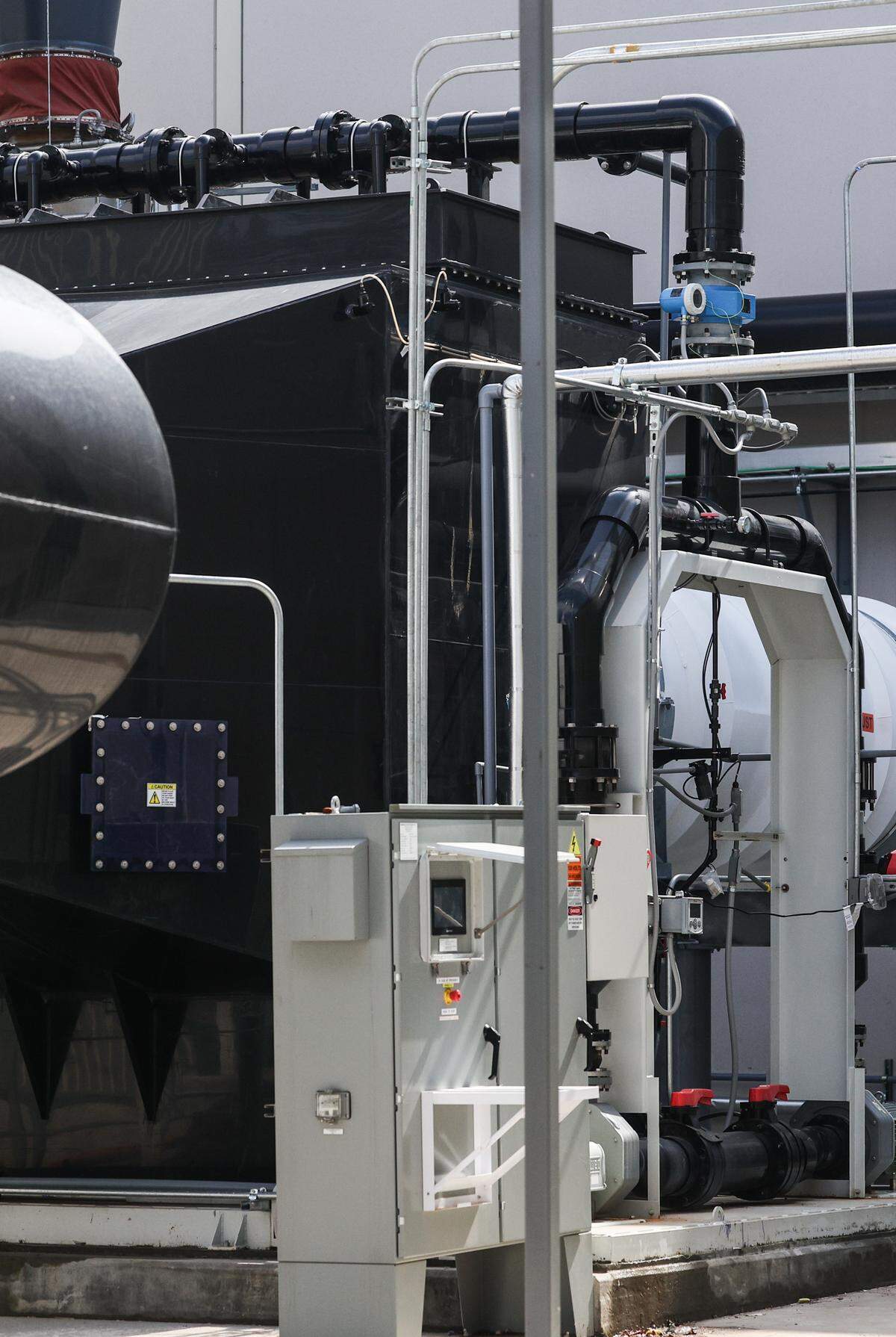
Silfab operations include two parts. A solar cell assembly component doesn’t require heavy industrial chemicals, and complies with the light industrial zoning. A manufacturing piece does use chemicals, like the potassium hydroxide and hydrofluoric acid that were involved in last week’s incidents.
The company provided a statement Tuesday night detailing inspections this week before the company could continue operations. The S.C. Department of Environmental Services told Silfab to stop work last week until an investigation could be completed.
The U.S. Environmental Protection Agency, state environmental services department and a third-party engineering firm inspected the Silfab property on Monday. Those groups supported the decision to bring module and cell assembly production back online, according to Silfab, which happened Monday night.
Silfab confirmed an environmental services department statement on a leak reported March 5:
“A tank containing hydrogen fluoride (also called hydrofluoric acid when in solution) is dripping at a rate of one drop per hour, however, the drip is being neutralized and contained using three separate containment measures. Silfab is beginning the process of emptying the HF tank.”
The other incident last week was reported March 3.
A 300-gallon spill of solution that included potassium hydroxide was mostly contained on site, but some reached a retention pond. Initial reports from that spill estimated the amount at more than 1,500 gallons, a figure Silfab revised to the smaller amount.
It’s too early to say when manufacturing that requires chemical deliveries will resume, according to Silfab’s statement. The state environmental department and independent firm will have to sign off first, after validaing safe conditions.
“Silfab is working through system testing and evaluation as part of the remediation process,” the company statement said. “The company is committed to keeping the community informed during the testing phases as to not cause undue concern or misinformation circulating. Silfab will continue to meet with key stakeholders providing updates accordingly.”
Silfab said it was working through repair activities Wednesday morning in coordination with the state environmental department, local officials and the third-party engineers. The work will focus on repairs from the March 3 spill and tests to tank integrity related to the hydrofluoric acid drip reported March 5.
This story was originally published March 11, 2026 at 10:00 AM.