National

Heavy rain wakes up 22-legged dormant crustaceans lurking in Joshua Tree
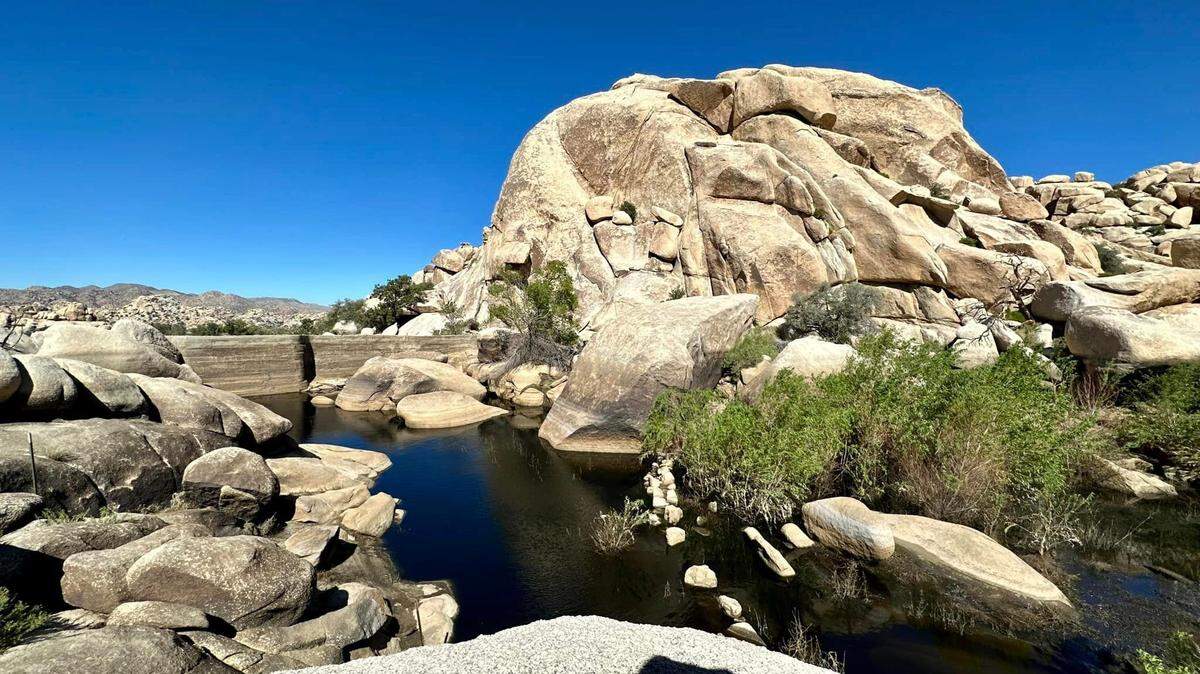
Thanks to heavy rains brought to California by Tropical Storm Hilary, 22-legged crustaceans are swimming about at Joshua Tree National Park.
Thanks to heavy rains brought to California by Tropical Storm Hilary, 22-legged crustaceans are swimming about at Joshua Tree National Park. National Park Service

Thanks to heavy rains brought to California by Tropical Storm Hilary, 22-legged crustaceans are swimming about at Joshua Tree National Park.

Shrimp in the desert? Yup,” rangers said in a Sept. 12 Facebook post.

“Fairy shrimp eggs can lie dormant for years in the soil of dry pools and potholes,” according to rangers.
“Fairy shrimp eggs can lie dormant for years in the soil of dry pools and potholes,” according to rangers. National Park Service

After the storm brought about 1 to 4 inches of rain throughout the park, fairy shrimp were found lurking in the waters of Barker Dam reservoir, which was “bone dry” prior to the heavy rain, rangers said.

“Fairy shrimp eggs can lie dormant for years in the soil of dry pools and potholes,” rangers said. “Once they fill with water and the right conditions occur, these eggs can activate, hatch, grow, and mature.”
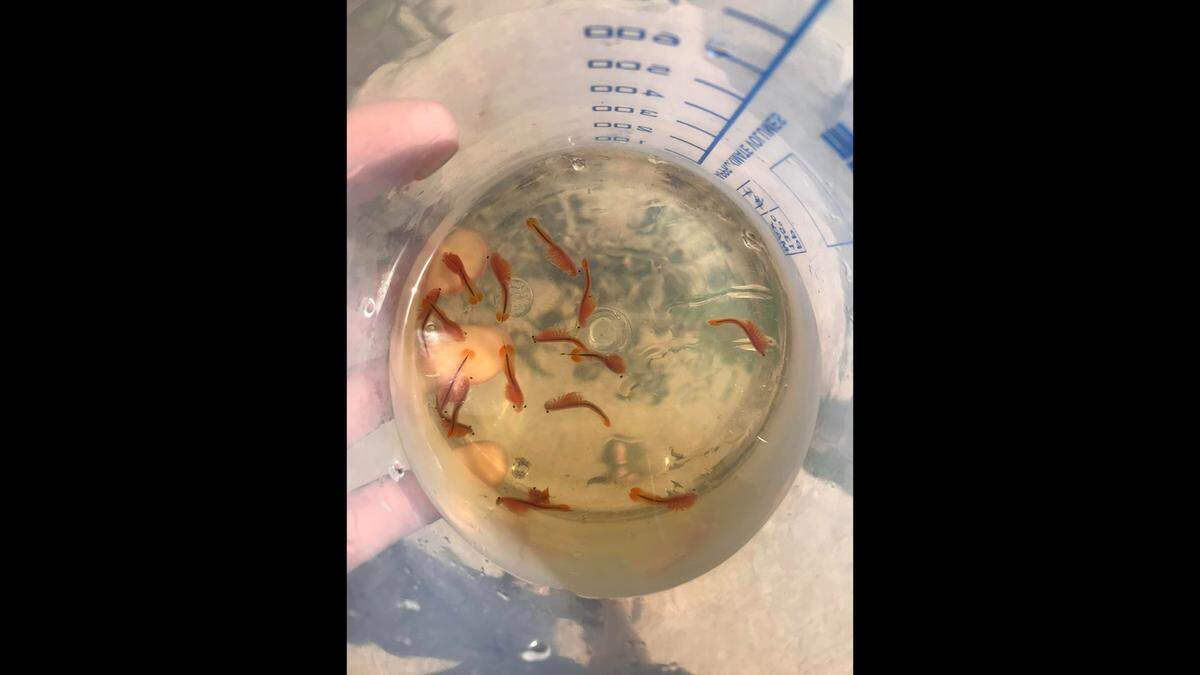
The 1-inch, translucent critters with “11 pairs of appendages” are found in pools in Oregon and California, according to The National Wildlife Federation.
The 1-inch, translucent critters with “11 pairs of appendages” are found in pools in Oregon and California, according to The National Wildlife Federation. National Park Service

Before the pool of water dries again, female fairy shrimp will lay eggs, called cysts, according to The National Wildlife Federation.

With protective coverings that guard the cysts from “extreme environmental conditions,” they “remain viable for multiple years,” according to the U.S. Fish & Wildlife Service.
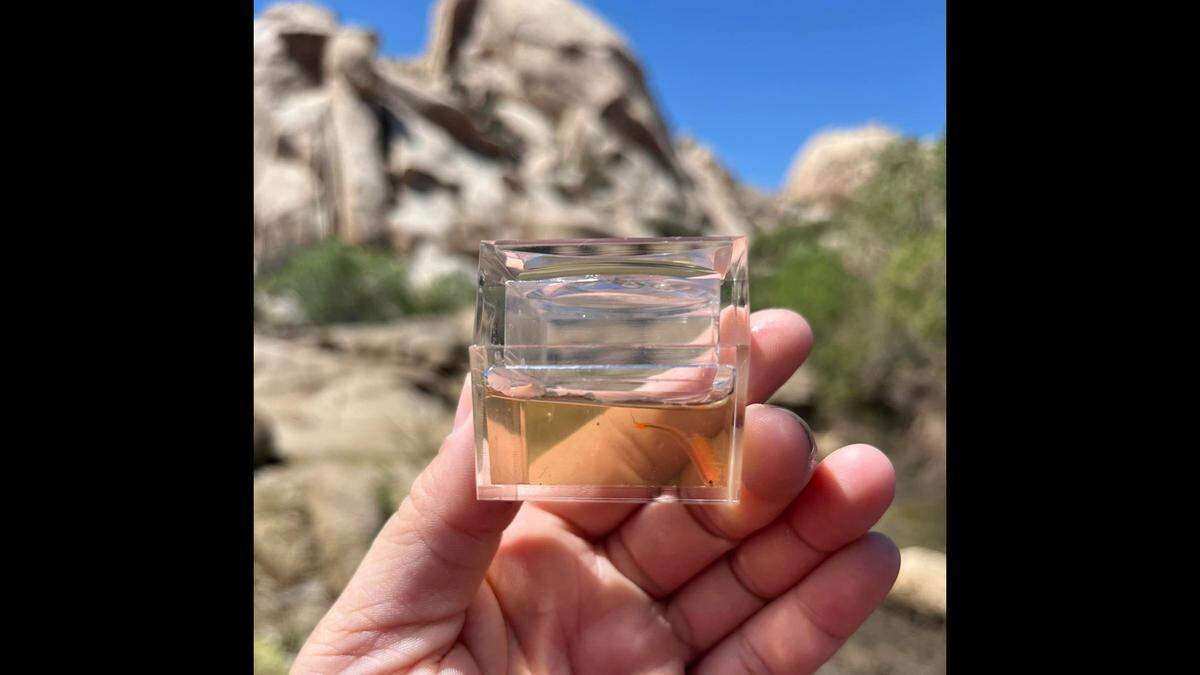
Fairy shrimp eggs will stay in dry pool beds until rains spur their hatching, according to the U.S. Fish & Wildlife Service.
Fairy shrimp eggs will stay in dry pool beds until rains spur their hatching, according to the U.S. Fish & Wildlife Service. National Park Service

The eggs will stay in the dry pool bed until rains spur their hatching, the agency says.

“This strategy allows them to avoid predators that can’t survive in such a temporary habitat,” the wildlife federation says.

The 1-inch, translucent critters with “11 pairs of appendages” are found in pools in Oregon and California, according to the federation.

Read Next
Read Next
Read Next

This story was originally published September 12, 2023 at 4:46 PM with the headline "Heavy rain wakes up 22-legged dormant crustaceans lurking in Joshua Tree."

Daniella Segura
McClatchy DC
Daniella Segura is a national real-time reporter with McClatchy. Previously, she’s worked as a multimedia journalist for weekly and daily newspapers in the Los Angeles area. Her work has been recognized by the California News Publishers Association. She is also an alumnus of the University of Southern California and UC Berkeley.
Get unlimited digital access
#ReadLocal

Try 1 month for $1

CLAIM OFFER