
Friends rush to help skier caught in avalanche on New Hampshire mountain, rescuers say
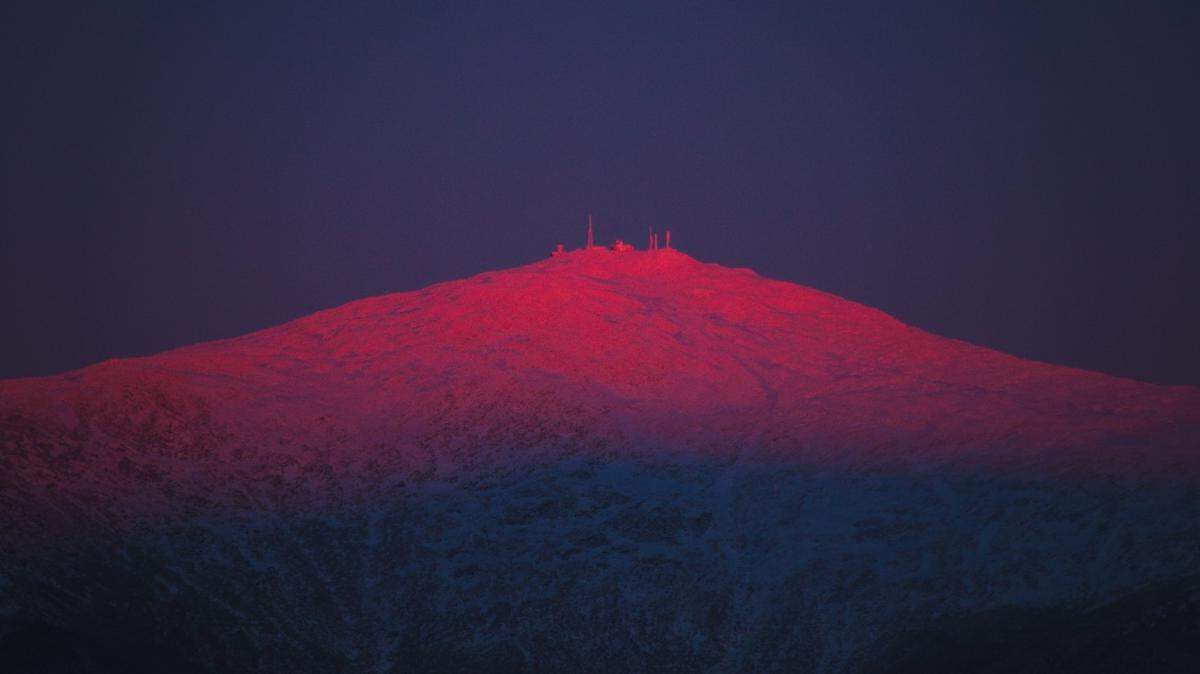
A skier injured in an avalanche on Mount Washington required a helicopter rescue, New Hampshire Fish and Game officials reported.
The New Hampshire resident triggered an avalanche while skiing in the Great Gulf on the peak at 11:35 a.m. Saturday, Dec. 9, the agency said in a news release.
Dominick Torro, 30, of Bow, suffered a serious lower leg injury in the avalanche, officials said. No one else was caught in the avalanche.
A friend skiing with Torro and another skier came to his aid, officials said. They called 911 for help.
While state conservation officers and U.S. Forest Service rangers organized a rescue, a backcountry medic advised the skiers by phone on emergency first aid, the agency said.
“Both skiers who gave aid did a great job considering the conditions and situation,” officials said. They also shoveled out a clear area for a helicopter to lower a medic and hoist Torro.
An Air National Guard helicopter arrived and airlifted Torro to a hospital for medical treatment. The two skiers hiked and skied out on their own.
At 6,288 feet, Mount Washington in the White Mountains is the highest peak in the northeastern United States, according to New Hampshire Magazine.
What to know about avalanches
Avalanches happen quickly and catch people by surprise. They can move between 60 and 80 mph and typically happen on slopes of 30-45 degrees, according to experts.
Skiers, snowmobilers and hikers can set off an avalanche when a layer of snow collapses and starts to slide down the slope.
In the U.S., avalanches are most common from December to April, but they can happen at any time if the conditions are right, National Geographic reported.
At least 30 people in the U.S. died in avalanches in the 2022-23 season, according to the Colorado Avalanche Information Center.
People heading into snow should always check the local avalanche forecast at Avalanche.org, officials with the U.S. Department of Agriculture said, and have an avalanche beacon, probe and shovel ready.
“Emergency services are usually too far away from the scene of an avalanche, and time is important,” Simon Trautman, a national avalanche specialist, said. “A person trapped under the snow may not have more than 20 or 30 minutes. So, in a backcountry scenario, you are your own rescue party.”
If an avalanche breaks out, it’s best to move diagonal to the avalanche to an edge, Trautman said.
“Try to orient your feet downhill so that your lower body, not your head, takes most of the impact,” officials said. “You may also get into a tight ball as another way to protect your head.”
This story was originally published December 11, 2023 at 2:47 PM with the headline "Friends rush to help skier caught in avalanche on New Hampshire mountain, rescuers say."