‘Pizza-sized’ creatures are close to extinction — but now there’s hope, aquarium says
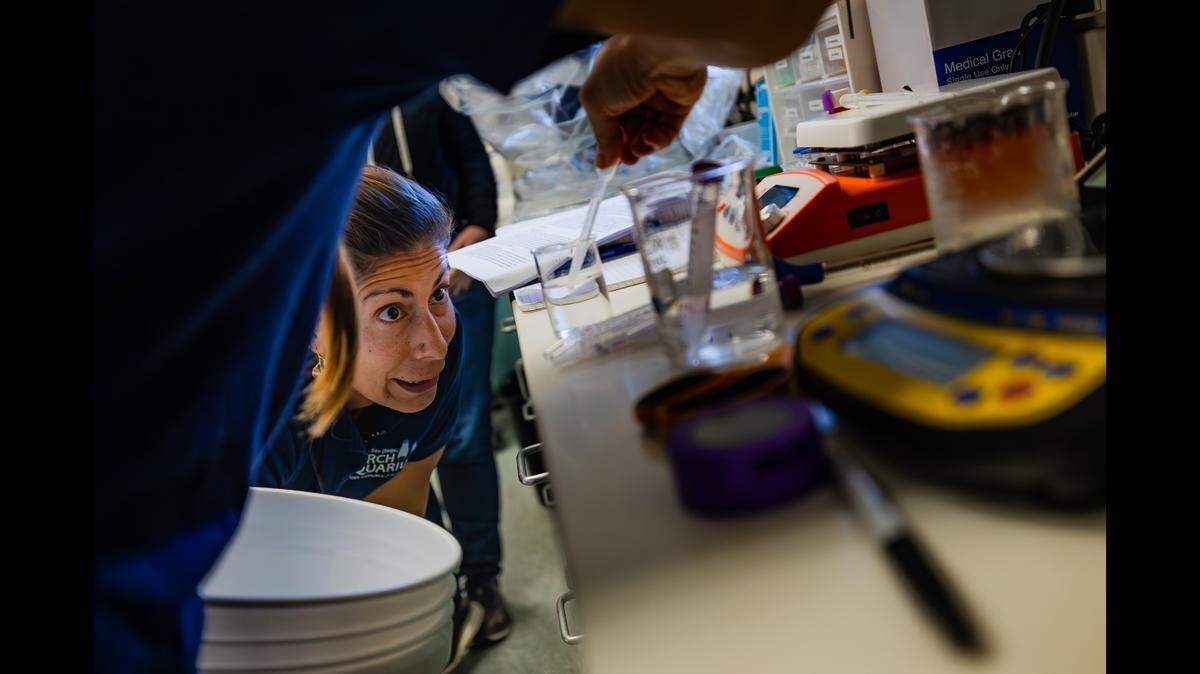
More than a decade ago, a “mysterious illness” hit the sunflower sea star population.
The disease, known as sea star wasting syndrome, decimated 95% of the creature’s population in 2013, leading to the sea star’s designation as a critically endangered species, according to the San Diego Zoo Wildlife Alliance.
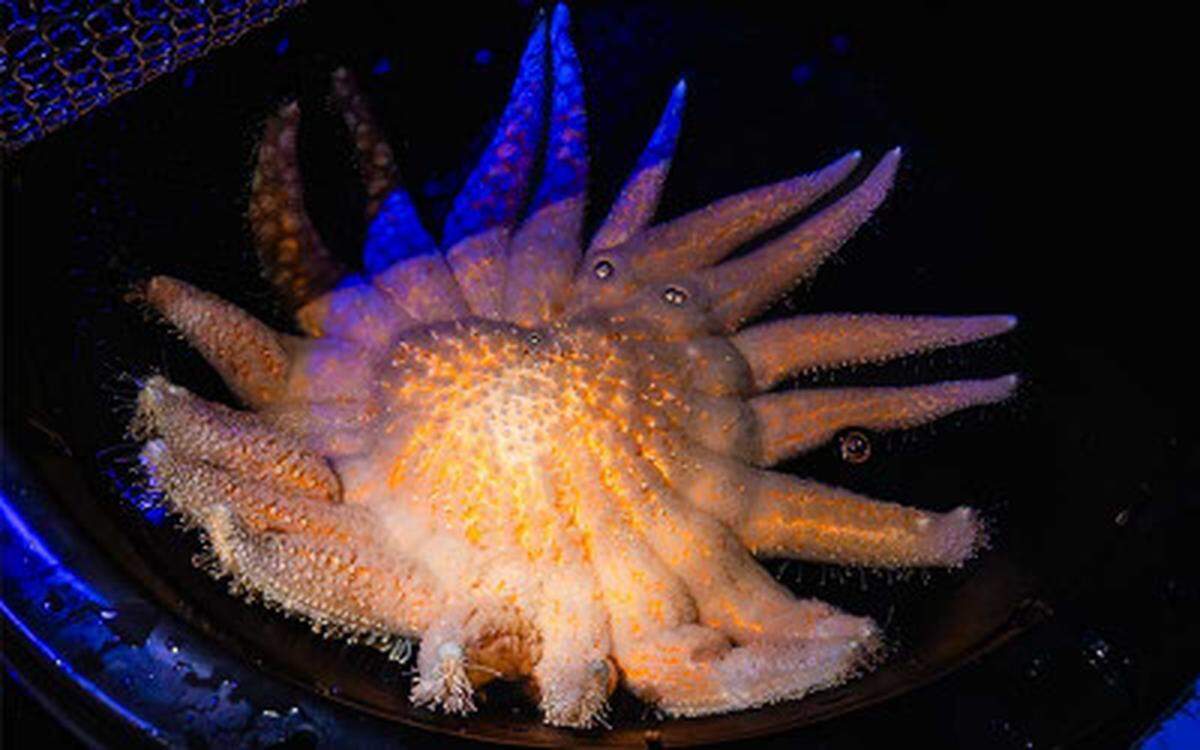
“This is a big deal as these pizza-sized stars play an essential role in the overall health of kelp forests,” Birch Aquarium at Scripps Institution of Oceanography at UC San Diego said in an October news release.
But now there’s hope.
A team, comprised of experts from the Birch Aquarium, San Diego Zoo Wildlife Alliance, Aquarium of the Pacific and more, “successfully spawned and cross-fertilized gametes from a male and a female” sunflower sea star, which resulted in fertile eggs, the Birch Aquarium said in a Feb. 26 news release.
Birch Aquarium called the success an “incredible step forward” in the “effort to save the species from extinction.”
“The future of the sunflower sea star just got a little brighter,” Jenifer Burney, senior aquarist with the Aquarium of the Pacific, said in the release.
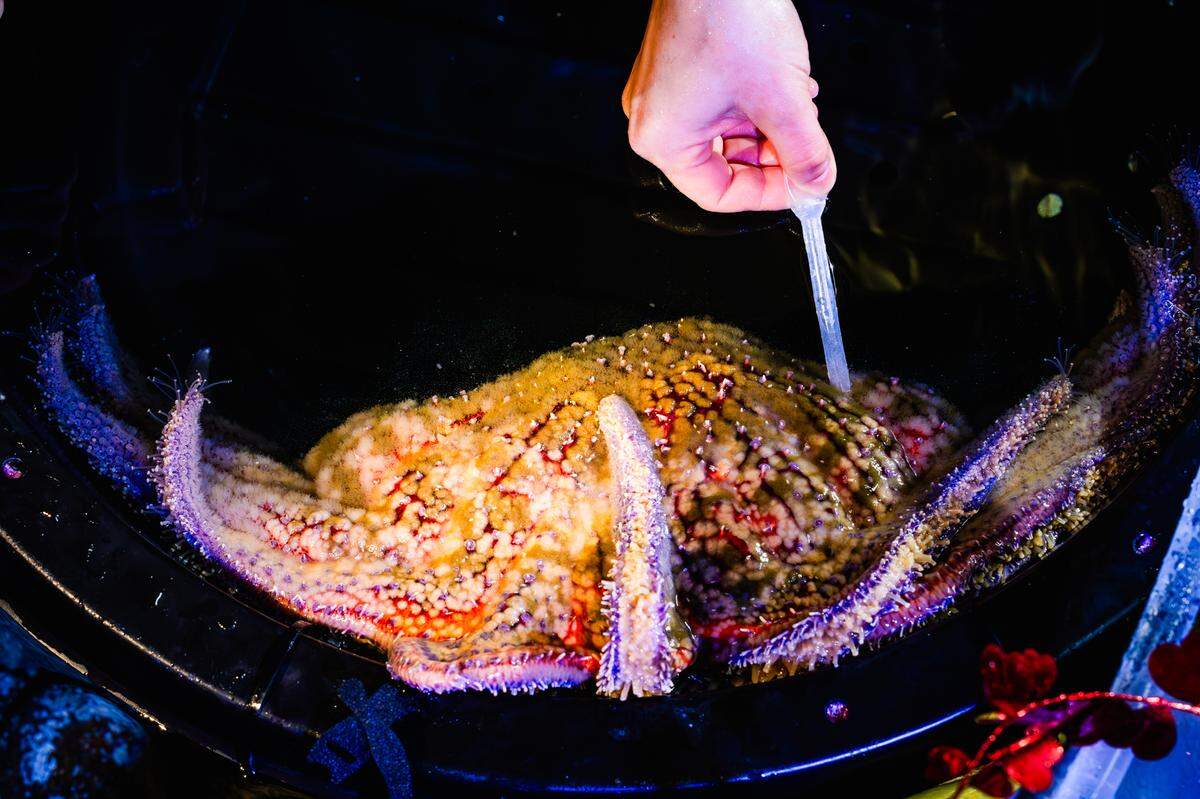
Sunflower sea stars reproduce by spawning — or releasing clouds of genetic material into the sea, according to the aquarium. When genetic material produced by male and female sea stars meets, new sea stars are born.
To fertilize the eggs, the aquarium said the “team used three different sperm samples from the same male.”
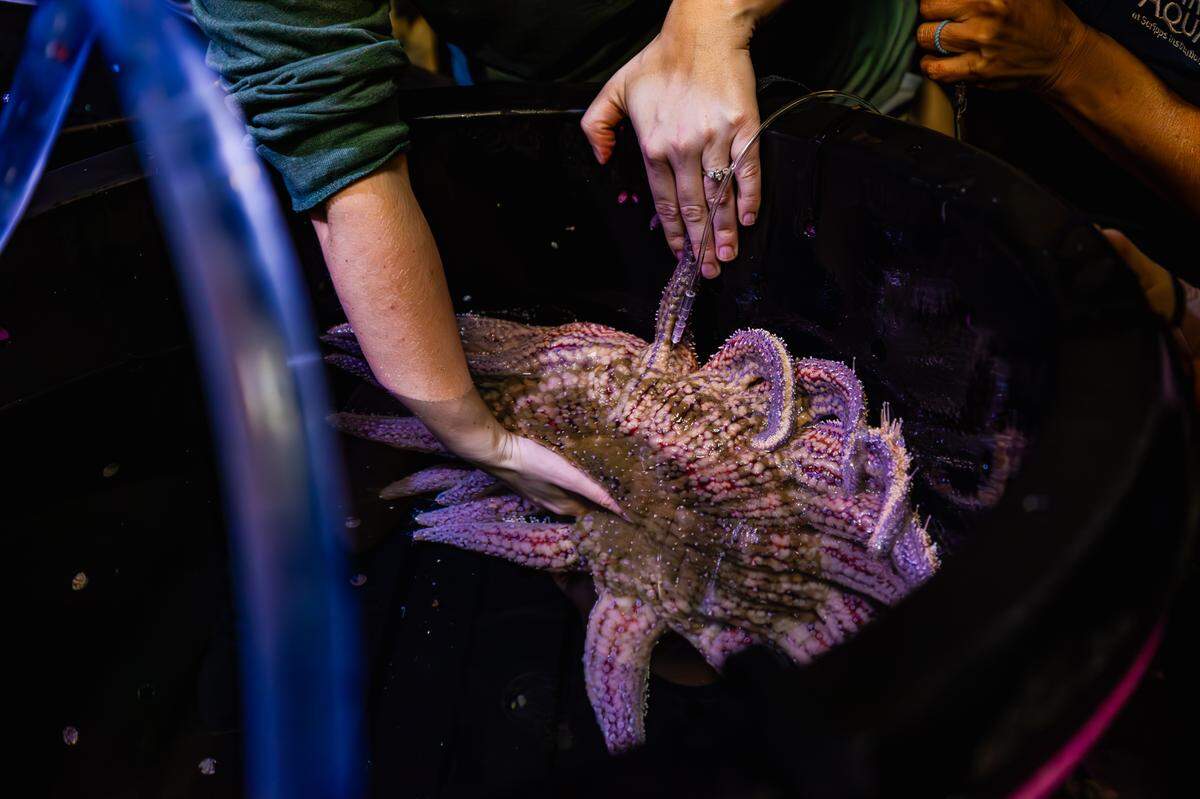
By taking this approach, the aquarium said it helps to identify ideal conditions for storing sperm to increase the chance of egg fertilization.
Each sample resulted in fertile eggs, the aquarium said.
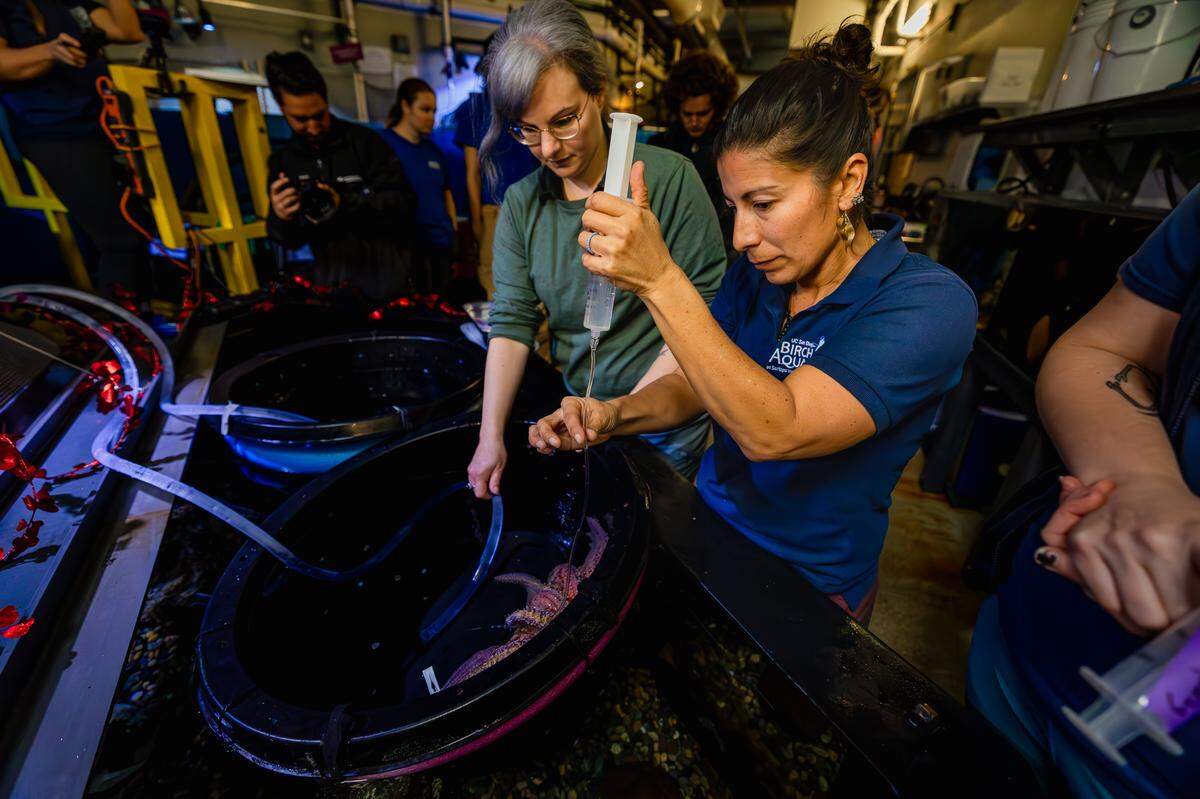
The “monumental advancement” will support the “population and genetic diversity of sunflower stars,” the aquarium said.
While some of the fertilized eggs stayed at the Birch Aquarium, others were taken to other partners throughout California, including the Aquarium of the Pacific, according to the aquarium.
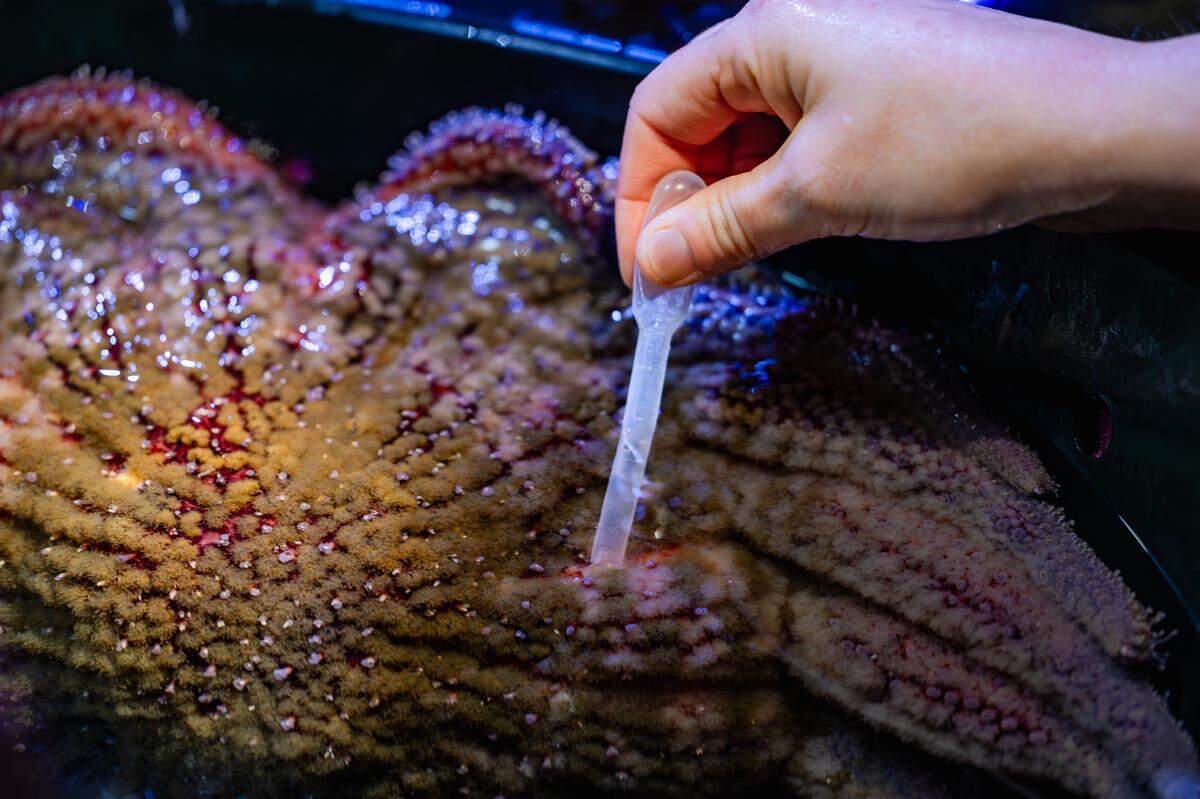
“We’re excited to share the diverse genetics of our sunflower stars with zoos, aquariums and other partners who may lack sufficient population or access to diverse genetics,” Melissa Torres, a Birch Aquarium aquarist said in the release.
This story was originally published February 26, 2024 at 3:56 PM with the headline "‘Pizza-sized’ creatures are close to extinction — but now there’s hope, aquarium says."