
Surfers rush to Hawaii shores, but rip currents were too much. Lifeguards rescue 100
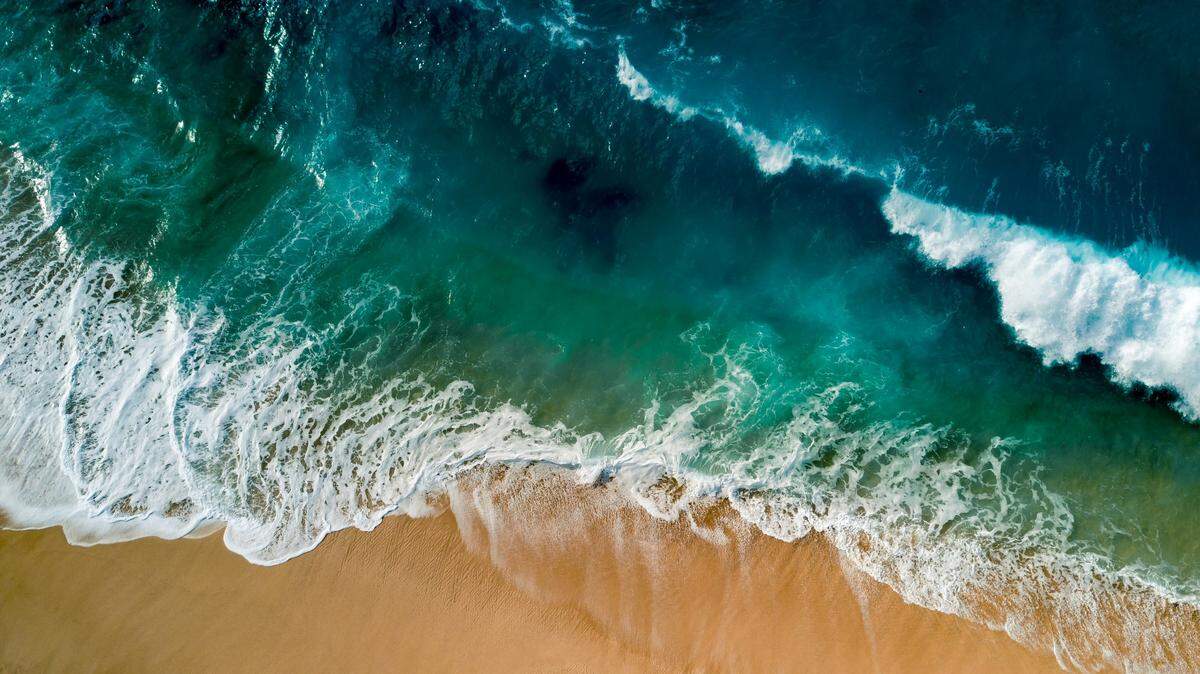
Barrels beckoned Oahu’s surfers, and they came running in droves.
The National Weather Service had issued a high surf advisory for all south-facing shores across the state on June 7, but this was not enough to keep many ocean lovers at home.
The water had a pull beneath it, and on Monday, June 10, Hawaii lifeguards rescued 100 people from the water, many of whom were struggling with the rip current, officials said.
Rip currents are “powerful, narrow channels of fast-moving water” that happen on the coasts of the U.S. and in the Great Lakes, according to the National Oceanic and Atmospheric Administration.
“Rip currents is one of the leading issues with the shore break,” Tristan Fabro from Honolulu Ocean Safety told Island News. “It is not necessarily people getting hurt in the waves, but they get sucked out.”
On top of that, surfers and swimmers don’t have the appropriate equipment to save themselves from drowning, Fabro said. While fighting to swim, they become tired. This is when lifeguards need to come and grab them.
According to Hawaii News Now, of the 100 people that needed rescuing, most of them were surfers with broken boards or leashes. There was one 17-year-old girl taken to the hospital after hitting the reef while bodyboarding.
The swell moving along the south shore is expected to die down on Tuesday, NWS said, but beachgoers should stay vigilant.
About 100 people are killed by rip currents each year in the U.S., NOAA reports. Lifeguards rescue tens of thousands of people from rip currents annually.
Experts say people can take steps to stay safe from rip currents, including:
Check the local water conditions before getting in.
Talk to a lifeguard at the beach about the conditions.
Only swim at beaches where lifeguards are present.
Don’t assume great weather means good swimming conditions.
This story was originally published June 11, 2024 at 3:24 PM with the headline "Surfers rush to Hawaii shores, but rip currents were too much. Lifeguards rescue 100."