Armadillos found from Texas to Argentina turn out to be 4 unique species, study says
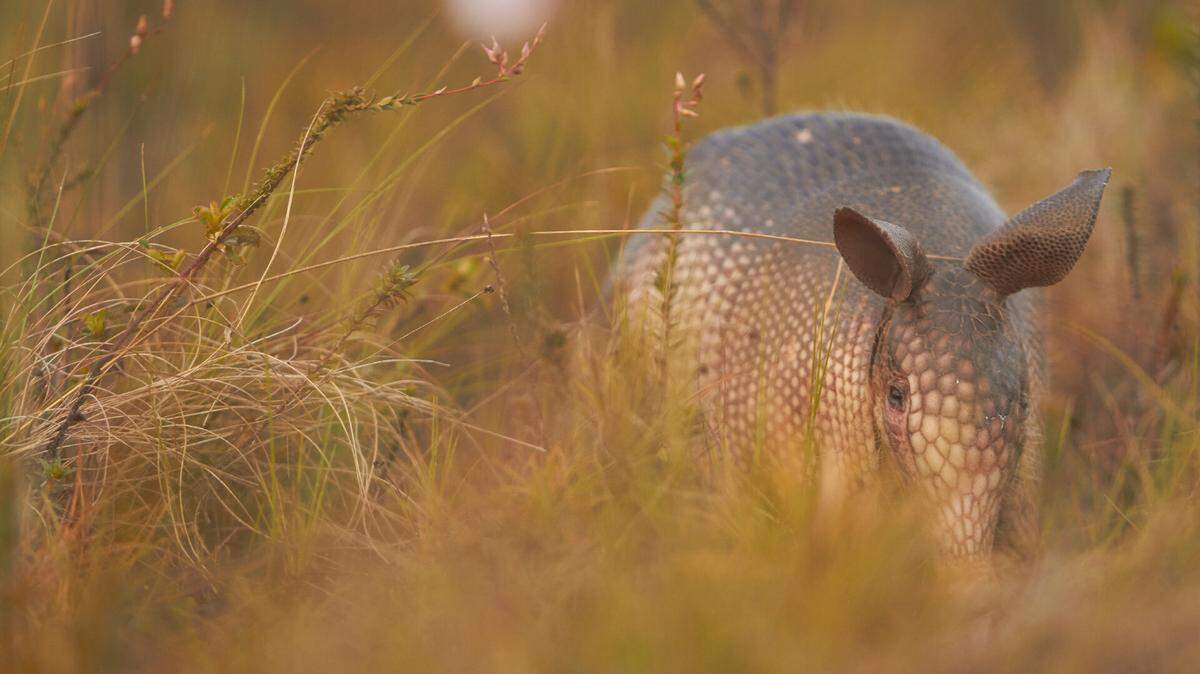
Recognizable for their scaly armor and ability to curl into a ball, armadillos are a familiar sight in the United States. But, as researchers were recently reminded, there’s more to these quirky animals than meets the eye.
Nine-banded armadillos, scientifically known as Dasypus novemcinctus, were believed to be a widespread species living from northern Argentina to southern Illinois. In the U.S., these armadillos were emblematic as the state small mammal of Texas.
As early as 1998, Frédéric Delsuc started noticing differences in the DNA of armadillos from Texas versus armadillos from French Guiana, a French territory north of Brazil and along the coast of South America, he told McClatchy News on June 27.
At the time, the data was too limited to draw any conclusions. Over the past two decades, researchers gathered more and more data on armadillos across the Americas, sometimes from fieldwork but primarily from museum archives.
“We finally got the whole picture,” Delsuc said.
The nine-banded armadillo was actually four distinct species lumped together, according to a study published June 22 in the peer-reviewed journal Systematic Biology. Two of these species were previously recognized as subspecies, while another is entirely new to science.
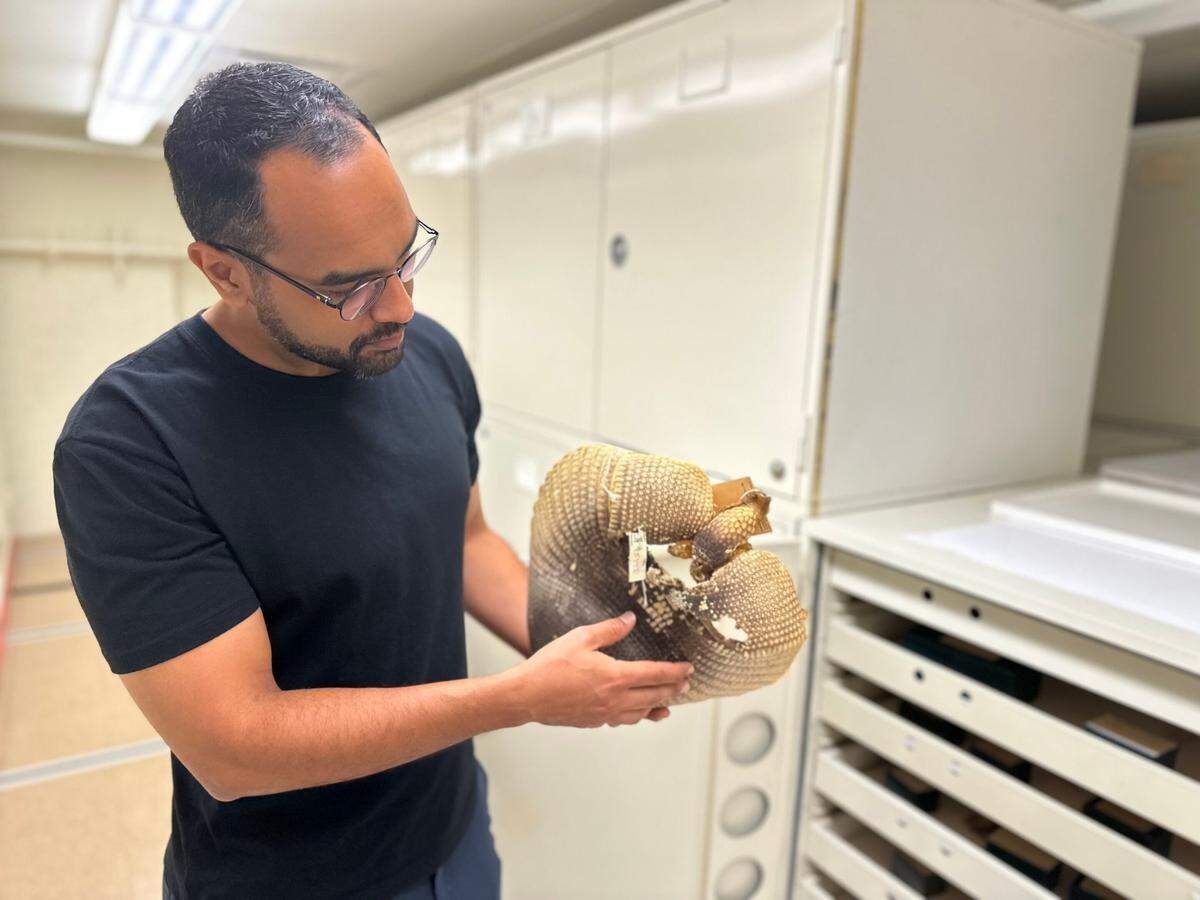
“With the new classification, the armadillo that’s found in the United States should now be called the Mexican long-nosed armadillo,” Anderson Feijó, a study co-author and assistant curator of mammals at Chicago’s Field Museum, said in a news release from the museum via Phys.Org.
The four armadillo species identified by researchers include:
The Mexican long-nosed armadillo, or Dasypus mexicanus, found in Mexico, the U.S. and Costa Rica.
Dasypus fenestratus found in Ecuador, Colombia, Venezuela and Costa Rica.
The Guianan long-nosed armadillo, Dasypus guianensis, a new species found in French Guiana and nearby regions known as the Guiana Shield.
The nine-banded armadillo, or Dasypus novemcinctus, now limited to Argentina, Peru, Ecuador, Colombia and Venezuela.
“They’re almost impossible to differentiate in the field,” Delsuc, one of the study’s lead co-authors and a researcher at the National Center for Scientific Research in France, said in the release. “By studying the DNA of armadillos from all along this range, we put together a very detailed genomic (DNA) analysis that makes us very confident that they are actually four species.”
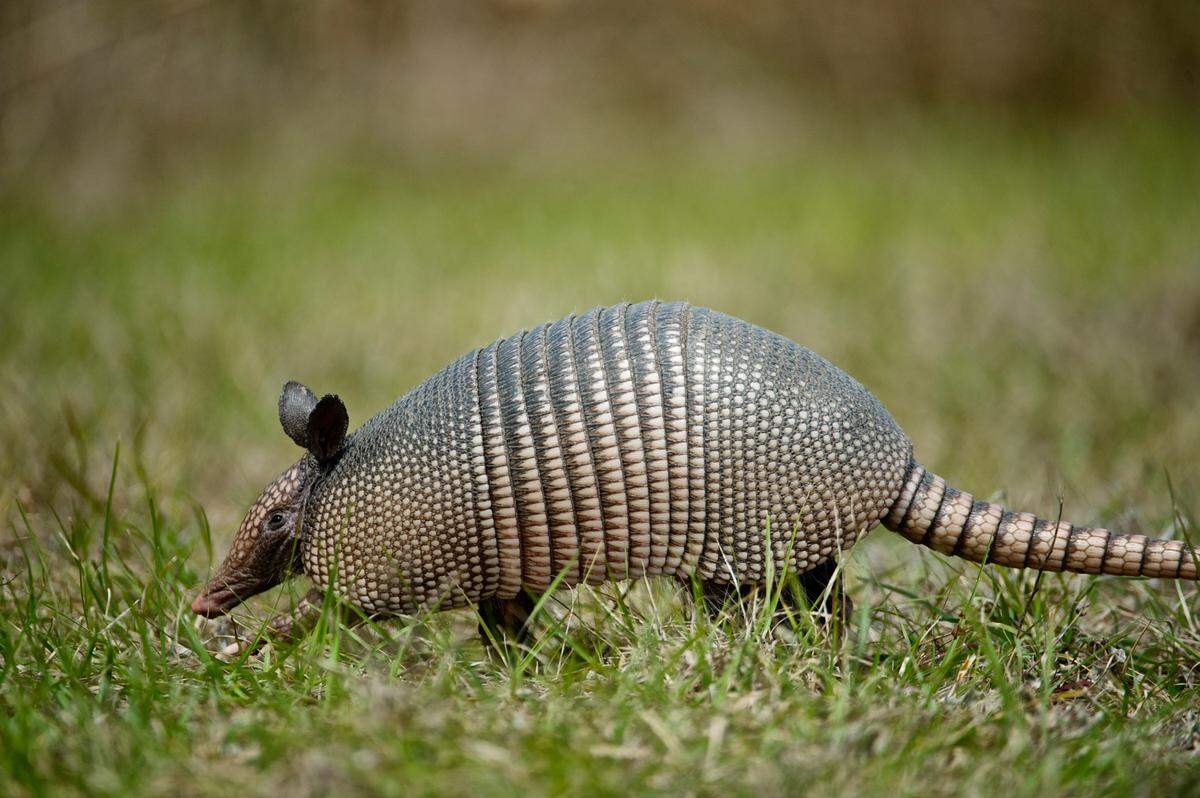
The different species vary in distribution and can be identified by their DNA and skeletons.
“The new species, the Guianan long-nosed armadillo, is the first armadillo described in the last 30 years,” Feijó said in the release.
The researchers’ findings are significant because “different species might also have some very different ecological requirements,” such as diet, Delsuc said.

Additionally, the nine-banded armadillo was previously considered not endangered because of its widespread distribution, he said. But this might be inaccurate for lesser-known species such as the Guianan long-nosed armadillo or Dasypus fenestratus.
“This discovery totally shifts the way we think about conservation for these species and the way we think about how threatened they are,” Feijó said in the release.
Moving forward, Delsuc suggested further research on each species to identify its exact geographic distribution, behavioral characteristics and population size.
The research team included Mathilde Barthe, Loïs Rancilhac, Maria Arteaga, Anderson Feijó, Marie-Ka Tilak, Fabienne Justy, W. Loughry, Colleen McDonough, Benoit de Thoisy, François Catzeflis, Guillaume Billet, Lionel Hautier, Benoit Nabholz and Frédéric Delsuc.
This story was originally published June 27, 2024 at 1:17 PM with the headline "Armadillos found from Texas to Argentina turn out to be 4 unique species, study says."