‘Unprepared’ hiker gets hurt off-trail, has to wait night for rescue from CO mountain
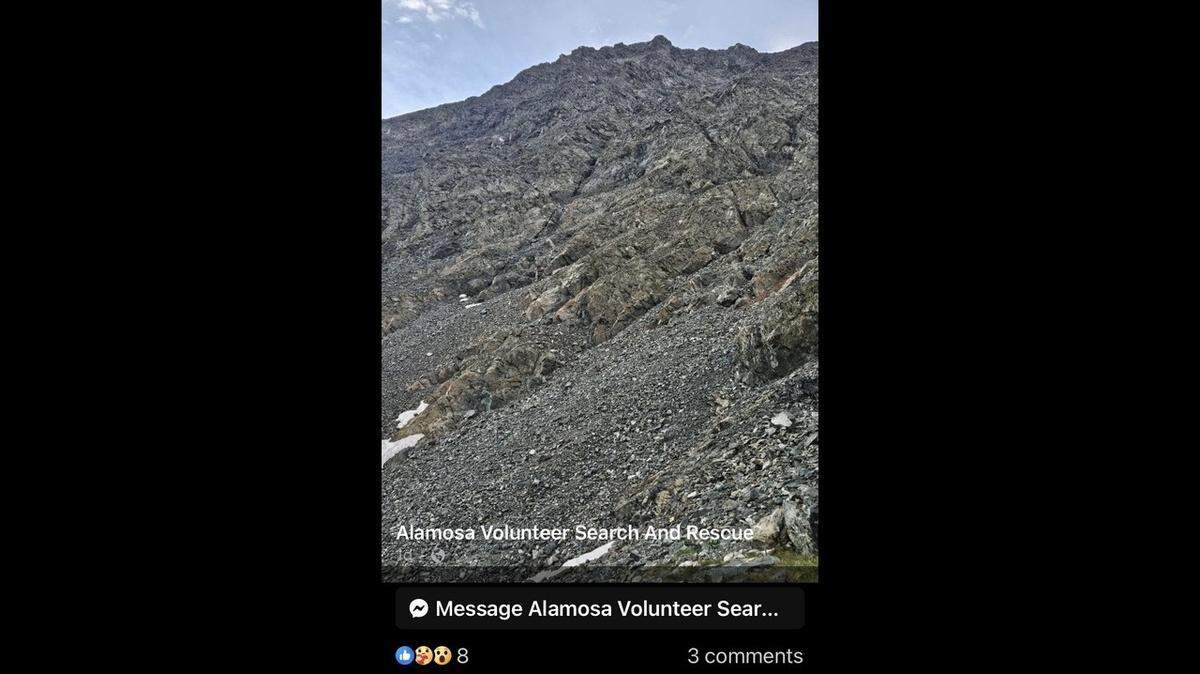
A hiker fell down and got hurt while navigating an off-route area of a mountain in southern Colorado — and had to wait overnight for rescue, officials said.
The hiker wasn’t going to be able to make it off Ellingwood Point through tricky, dangerous terrain with his injury, Alamosa Volunteer Search and Rescue said on Facebook.
To make matters worse, severe afternoon storms covered the mountain range that Friday, July 26, making a helicopter rescue impossible, officials said.
Photos show the treacherous rocky slope where he was trapped. The volunteer rescue agency circled where the hiker was on the slope after someone commented under one of the photos that they couldn’t spot him.
“These are absolutely wild photos,” someone else said.
Rescue teams started making their way to the climber on foot, and they came within 300 vertical feet of him before darkness made it unsafe for them to continue, officials said.
Rescuers bedded down for the night and planned to rescue him at first light — except he was “highly unprepared for overnight conditions and was out of water/food,” officials said.
Instead, the Colorado National Guard hoisted him from the mountain in a helicopter that took him to a helipad, where he was transferred to a hospital, officials said. He was later released from the hospital and is “on the path to recovering from his injuries.”
Ellingwood Point is considered a “highly challenging route” that “should only be attempted by experienced adventurers,” according to AllTrails.com. It’s located within the Sangre de Cristo Mountains near Blanca Peak, the fourth-highest summit of the Rocky Mountains.
Several people commented about what they hoped others would take away from the rescue.
“I think it’s a good outcome and opportunity for the public to reflect on the importance of packing enough for an unplanned overnight,” someone said, adding that they once found themselves in that exact scenario. “...I keep a pad on me after that night always. It was one of the worst nights of my life, better to have a pad and extra items to last a night and be responsible for yourself or others you encounter needing help.”
How to be prepared while hiking
If you’re planning to hike, the National Park Service says there are 10 essentials you should take:
Navigation: Pack a map, compass and a GPS system. Make sure you study your route beforehand and understand how to use the tools.
Sun protection: Sunglasses, sunscreen and a hat can help protect your skin and eyes from UV rays.
Insulation: A jacket, hat, gloves, raincoat and thermal underwear can help you be prepared for rapidly changing weather conditions.
Illumination: A flashlight, lantern and headlamp can create light if you get stuck in the dark — and don’t forget to pack extra batteries.
First-aid supplies: It’s a good idea to have a first-aid kit on hand while hiking. Check the expiration date on items before you pack them.
Fire: Matches and a lighter can help start fire to act as an emergency signal in times of need.
Repair kit and tools: Duct tape, a knife, screwdriver and scissors can be helpful if items break during your hike or you need assistance.
Nutrition: You should pack an extra day’s worth of food in case something goes wrong. Park officials recommend having “salty and easy to digest snacks.”
Hydration: You should drink water often and before you feel thirsty if you’re hiking in hot weather. Keeping your body hydrated is “of utmost importance,” park officials said.
Emergency shelter: Packing a tent, space blanket, tarp and bivy can help you be prepared if severe weather breaks out or your plan takes a turn.
This story was originally published July 29, 2024 at 6:31 PM with the headline "‘Unprepared’ hiker gets hurt off-trail, has to wait night for rescue from CO mountain."