Sick sea lions are showing up on the California coastline — again. What’s going on?
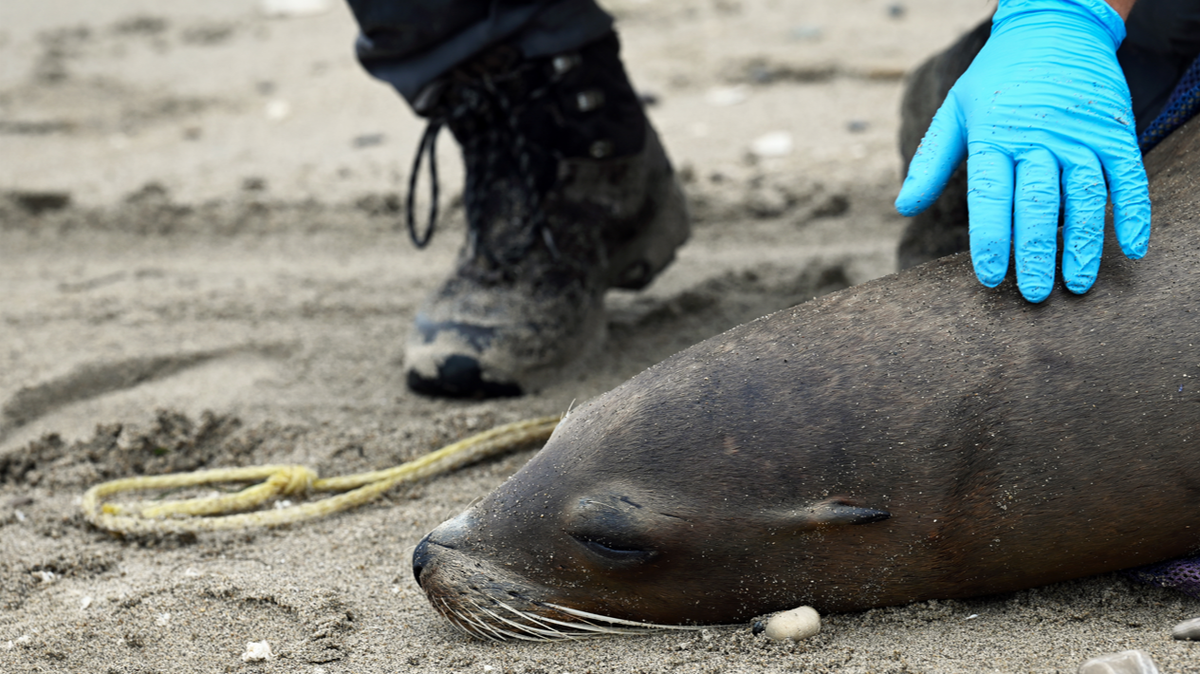
Since the start of July, a nonprofit rescue organization has tended to 25 sea sick lions found on the California coast.
This, however, pales in comparison to the sheer number of reports of strandings it has received, the Channel Islands Marine & Wildlife Institute said in an Aug. 1 news release.
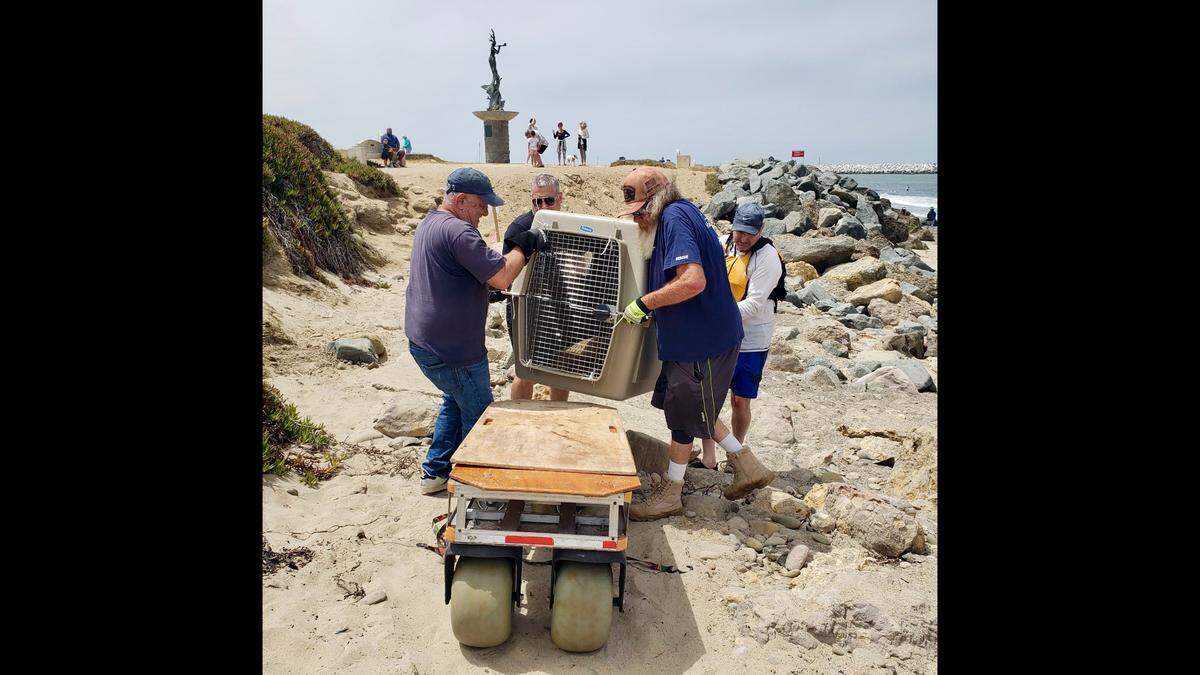
While the phenomenon began earlier in the month, starting on Friday, July 26, the nonprofit said its “hotline started ringing off the hook with reports of sick sea lions in Ventura and Santa Barbara counties.”
The nonprofit has since been fielding 100 reports a day, as sick sea lions suffering the effects of domoic acid poisoning pop up along the shore.
The source?
Toxic algal blooms, according to the nonprofit.
What are toxic algal blooms and domoic acid?
Domoic acid is a neurotoxin produced by the algae Pseudo-nitzschia, according to the nonprofit.
The phytoplankton grows with “favorable conditions, such as when upwelling of water causes the nutrients from deeper water to rise to the surface where sunlight is present,” the rescue said.
Such conditions typically happen during the spring and fall, the nonprofit said.
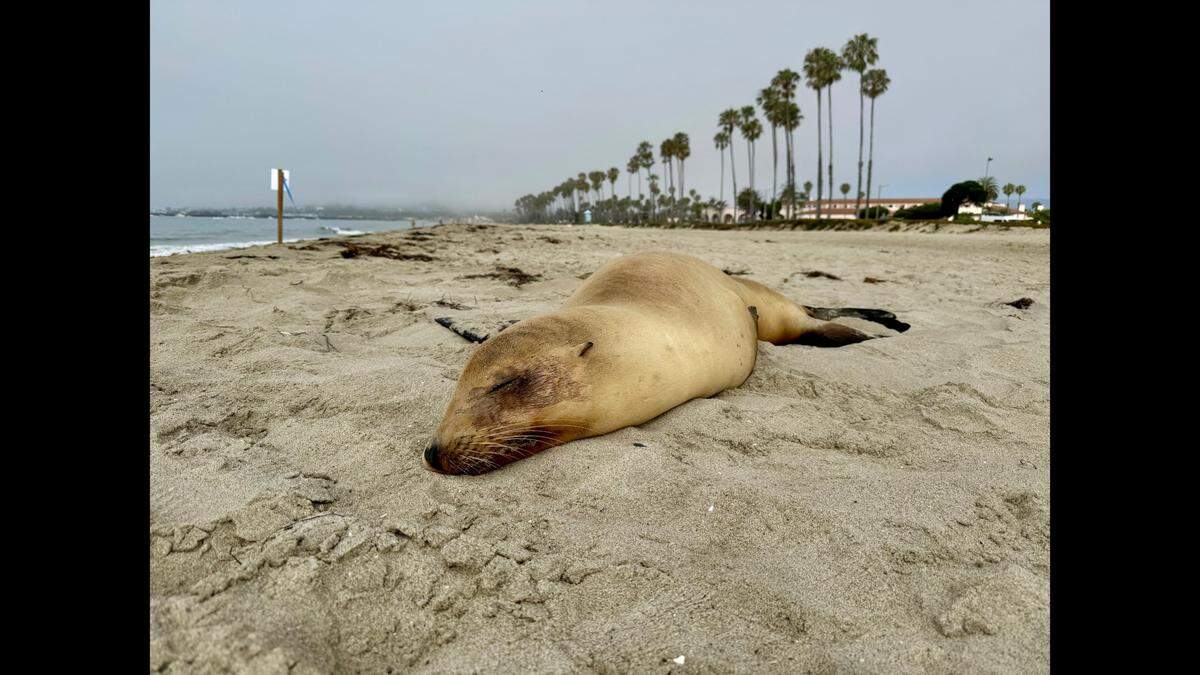
While it’s not harmful in small quantities, the toxin becomes dangerous when there is “an extensive bloom” and it makes its way up the food chain reaching predators, such as sea lions and sea birds, the nonprofit said.
“This neurotoxin accumulates in small fish, like sardines and anchovies, which are then eaten by sea lions in large quantities,” according to the Marine Mammal Center.
As predators eat a greater amount of prey, “they ingest a higher level of domoic acid,” according to the Channel Islands Marine & Wildlife Institute.
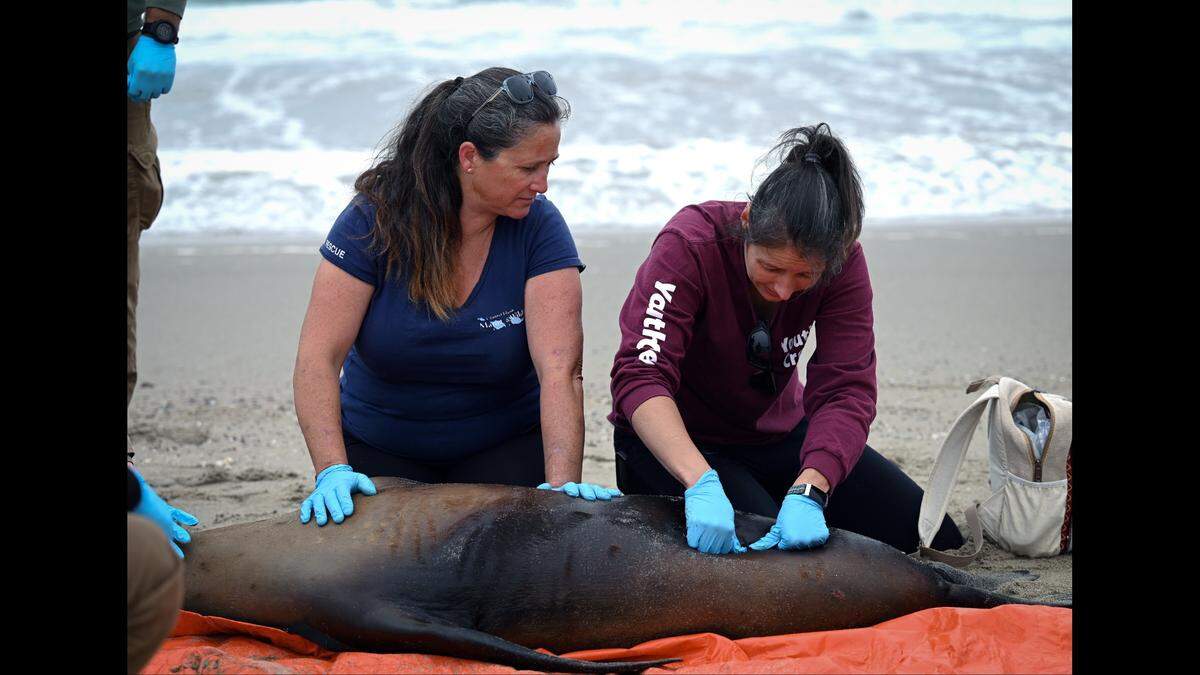
The toxin can cause seizures, heart failure and, if untreated, “permanent brain damage,” according to the Marine Mammal Center.
“There is no known cure for domoic acid,” the Channel Islands Marine & Wildlife Institute said.
With many adult sea lion cases, the nonprofit said it is seeing high mortality rates.
Though some sea lions with domoic acid can recover and “survive in the wild,” they may exhibit chronic neurological deficiencies, the nonprofit said.
Domoic acid events
The nonprofit said it began seeing sea lions with domoic acid poisoning July 7.
As the number of strandings jumped, sick sea lions were also found on Surf Beach at Vandenberg Space Force Base in Santa Barbara County on July 29, Space Force officials said in a news release.
.jpeg "sealion_fitted (1).jpeg")
Sick sea lions are also showing up on central coast beaches, the San Luis Obispo Tribune reported.
This is the third consecutive year the Channel Islands Marine & Wildlife Institute has observed sea lions sick from domoic acid on Ventura and Santa Barbara county beaches.
Last year, the domoic acid event lasted for a 27-day period from early June to early July, when the nonprofit responded to 651 calls about marine mammals showing signs of domoic acid poisoning. Ninety-seven sea lions were rescued.
Domoic acid poisoning also affected a “high number of dolphins” during this event, according to the nonprofit.
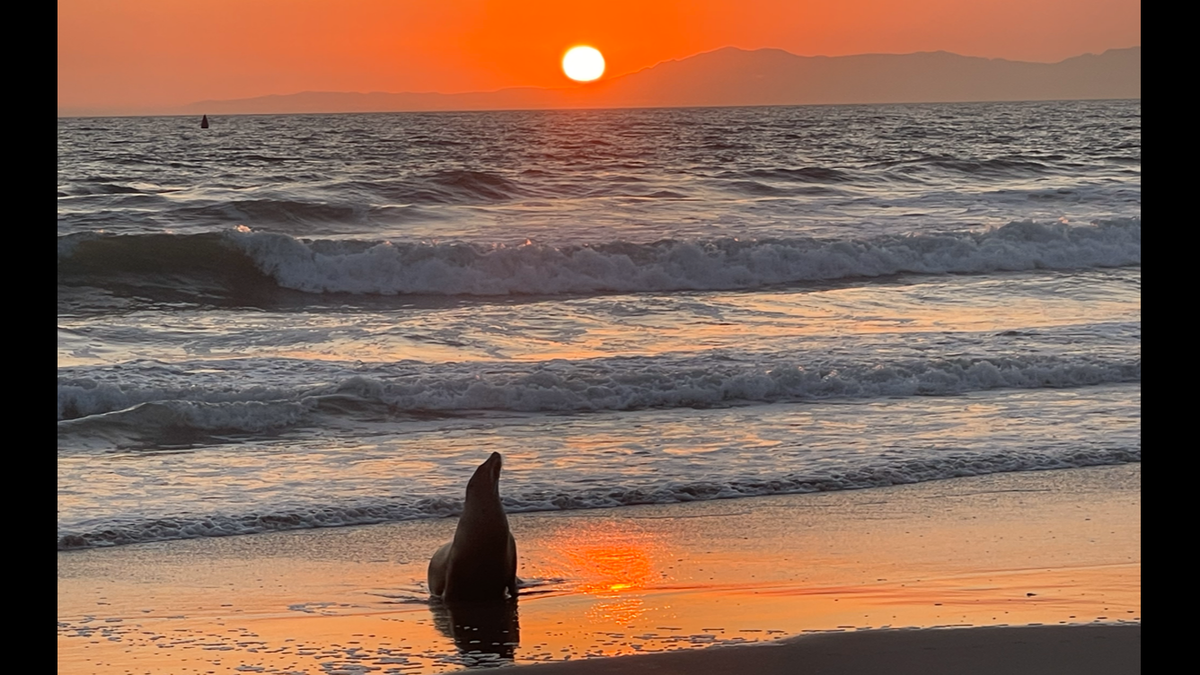
In 2022, the nonprofit responded to 262 reports of sickened sea lions over a 37-day period from August to September.
The nonprofit said harmful algal bloom events have also happened in Southern California in 2002, 2006, 2007, 2017 and 2022.
Harmful algal blooms, brought on with warmer water temperatures, happen when the algae grows “out of control,” the nonprofit said.
“The frequency and severity of harmful algal bloom events along Southern California’s coast has been increasing in recent decades,” the nonprofit said.
How to spot a sick sea lion
Sea lions sickened with domoic acid show a mix of signs, according to the nonprofit.
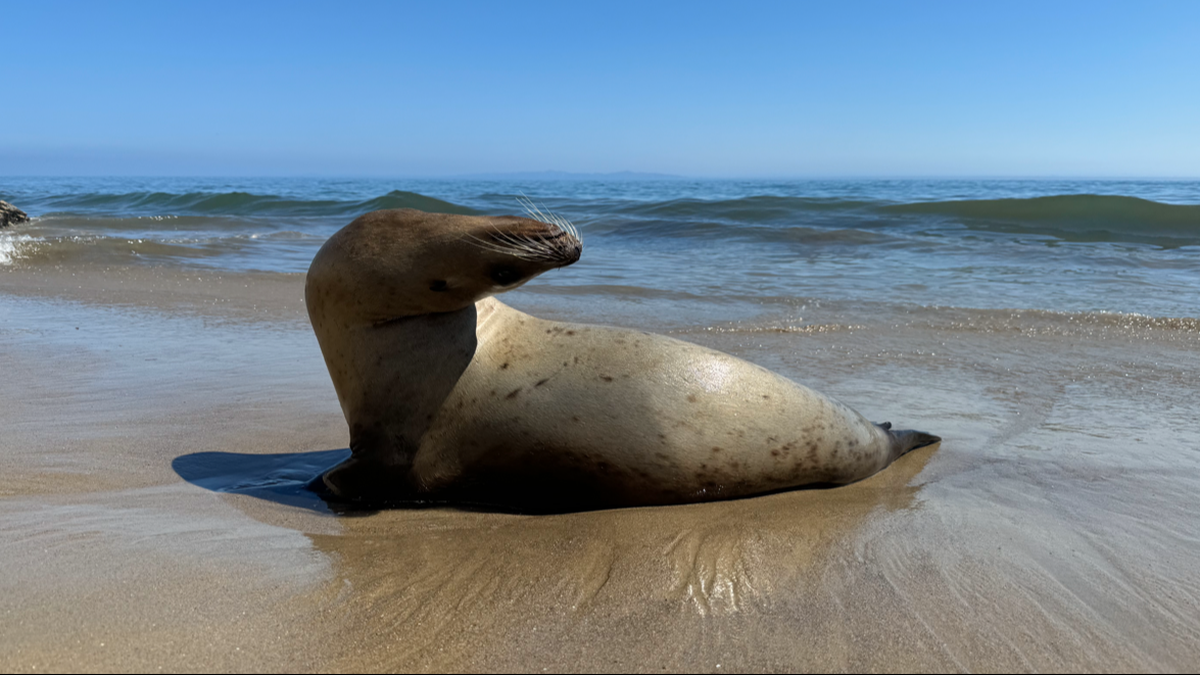
One of the common ones is “stargazing,” the rescue said.
“Stargazing is when a sea lion looks like it is staring into space,” the nonprofit said.
Other signs include “disorientation, head weaving, mouth foaming, lethargy, erratic behavior, and inability to get out of the incoming tide, involuntary muscle spasms, and seizures,” according to the nonprofit.
What to do if you see a sick sea lion
If you encounter a sick sea lion, do not touch it, the nonprofit said, adding that you should keep a distance of “50 feet (the length of a school bus)” while observing.
“These are wild animals, and they may bite,” the rescue said.
.jpeg "Sea Lion with Domoic Acid - _fitted (1).jpeg")
Individuals should also not feed the animals or pour water on them, according to the nonprofit.
“They do not need to be wet even if it is hot out, the beach is a part of their natural habitat and they came out of the ocean to rest for a reason, pouring water on them can make their compromised state worse and could even cause seizures,” the nonprofit said.
People should also not take a selfie with the mammals, according to the rescue.
.jpeg "Sea Lion with Domoic Acid - _fitted (2).jpeg")
“You will be too close to the wild animal; you should never have your back to an unpredictable wild animal,” the nonprofit said.
Instead, people should determine an exact location for the animal, including any notable landmarks. The nonprofit asked that people call its hotline at (805) 567-1505 and be ready to give “your name, phone number, specific information about the animal and its location.”
This story was originally published August 2, 2024 at 12:47 PM with the headline "Sick sea lions are showing up on the California coastline — again. What’s going on?."