
Gene-edited ‘woolly mouse’ is big step in bringing back mammoth, Texas startup says
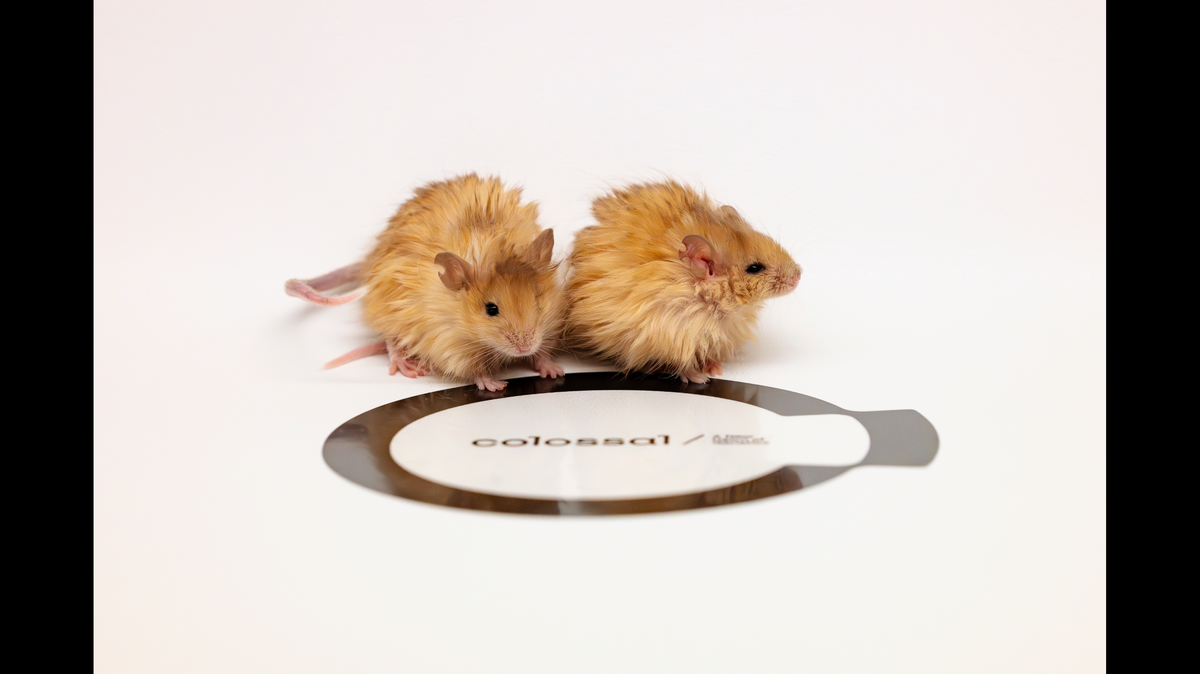
Colossal Biosciences, a Texas tech startup best known for its goal to resurrect the extinct woolly mammoth, has created genetically engineered mice with “mammoth-like traits,” it announced on March 4.
Ben Lamm, CEO of the Dallas-based company with an estimated value over $10 billion, said the successful gene-editing of lab mice, which they’ve dubbed “woolly mice,” is a big step forward, and proof that Colossal is “on track” to create a woolly mammoth.
“We produced healthy, viable animals on our first attempt,” Lamm said in an interview with McClatchy News. “We are ecstatic about these mice and not just because they’re cute.”
Despite what their name might imply, the extra-furry lab mice have no mammoth DNA present in their genome, but were altered to look reminiscent of the ancient beasts that once roamed much of the earth, providing ample meat and furs for our hunter-gatherer ancestors.
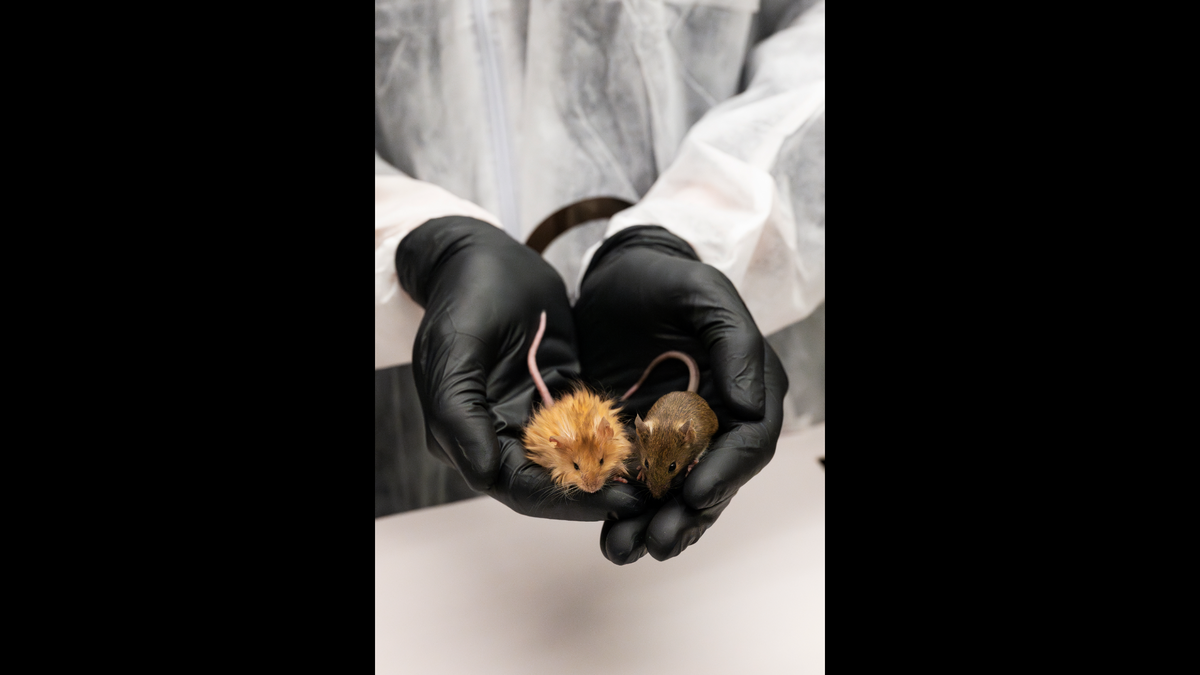
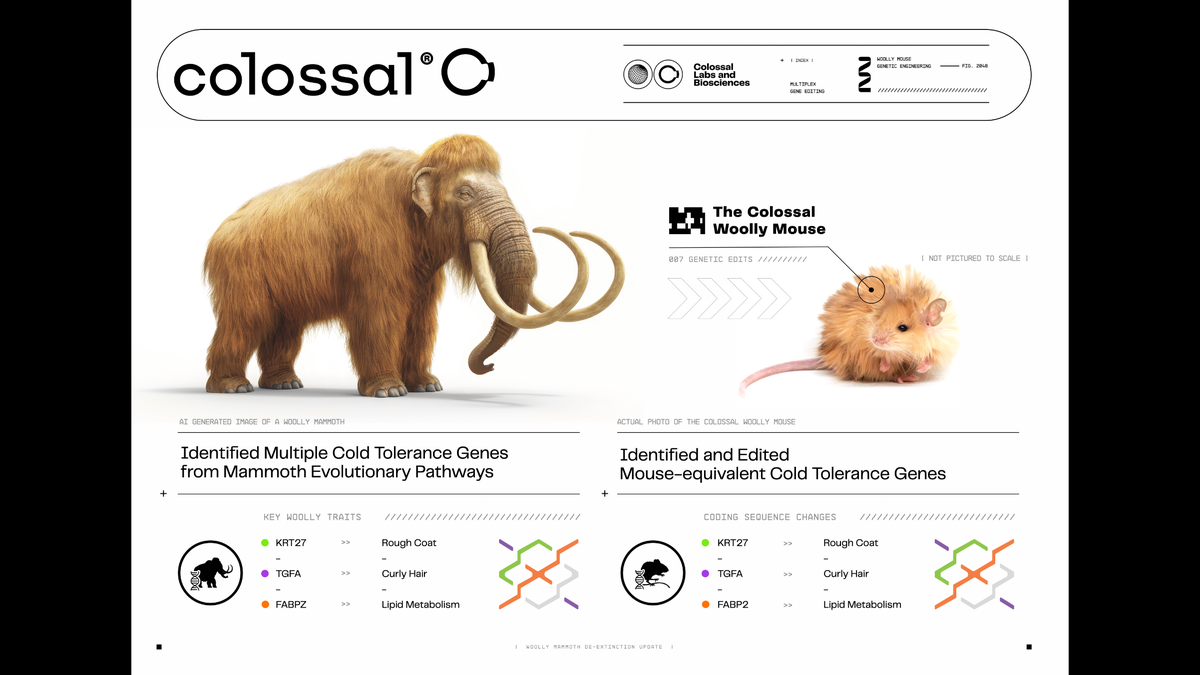
Instead, researchers identified the genes that gave mammoths their distinct look, then identified the equivalent genes in mice.
“We’re not putting mammoth genes into mice, we’re putting the mouse version of the genes that we think are important for changing the coat of an elephant to be the coat of a mammoth,” Beth Shapiro, Colossal’s chief science officer, told McClatchy.
‘Cuter than we anticipated’
While Colossal can’t truly bring back the woolly mammoth, it has promised to birth a very close equivalent, by analyzing the DNA present in preserved mammoth remains and comparing it against the DNA of its closest living relative, the Asian elephant. By seeing what’s different about the mammoth’s DNA, researchers can determine which parts of its genome were responsible for making a mammoth a mammoth, then edit an Asian elephant’s genome to express those mammoth traits.
The team made eight edits to seven genes in the mice in vitro, causing them to grow “woolly hair texture, wavy coats, and curled whiskers through changes to hair follicle development and structure,” or develop lighter coat color, the company said in a news release.
“To re-create the lighter coat colors observed in woolly mammoth mummies, Colossal woolly mice have a modified version of the gene MC1R, which regulates melanin production, that produces mice with golden hair,” the company said.
Lamm said the genome edits changed the mice in exactly the ways the team predicted. The only surprise was the increase in “adorability.”
“In all seriousness, they are way cuter than we anticipated,” he said.
The next step is to find out if the changes made to the mice will actually help them survive in cold conditions similar to what mammoths adapted to thrive in.
“We’re working right now with our ethics board to approve experiments we can do to test whether or not these mice are going to be happier in environments where it’s cold,” Shapiro said. “We’re going to be able to do some of these experiments and learn whether these edits have actually made our mice more adapted to living in the cold, in addition to being very adorable.”
Beyond mice and mammoths
Colossal’s interests expand further than mice or even mammoths.
The research being conducted and the tools being used could some day help save already threatened species and strengthen fragile ecosystems, Lamm and Shapiro said.
Though the technology is relatively new, Shapiro sees gene editing as akin to two of society’s oldest practices — animal domestication and agriculture.
“These are all ways people have been changing the evolutionary futures of other animals and plants around us. This technology gives us the potential to do that at a rate that is faster than we could do using traditional breeding,” she said.
That speed is key to conservation efforts.
“If you look at habitats around the world, what we see are ecosystems everywhere that are changing at a rate that is faster than evolution and natural selection can keep up with. To me, I think this is an opportunity to use our big brains and these new tools that are just at our fingertips and help other species catch up,” Shapiro said, adding that this could include editing a species’s genome to be resistant to a disease that is devastating its population.
“These are the kind of opportunities that will be possible with genetic engineering if we develop the technologies to get there, the same technologies that will be developed on the path to a mammoth,” she said.
This story was originally published March 4, 2025 at 8:00 AM with the headline "Gene-edited ‘woolly mouse’ is big step in bringing back mammoth, Texas startup says."