
Clawed 10-legged creature found during Tennessee road survey. It’s a new species
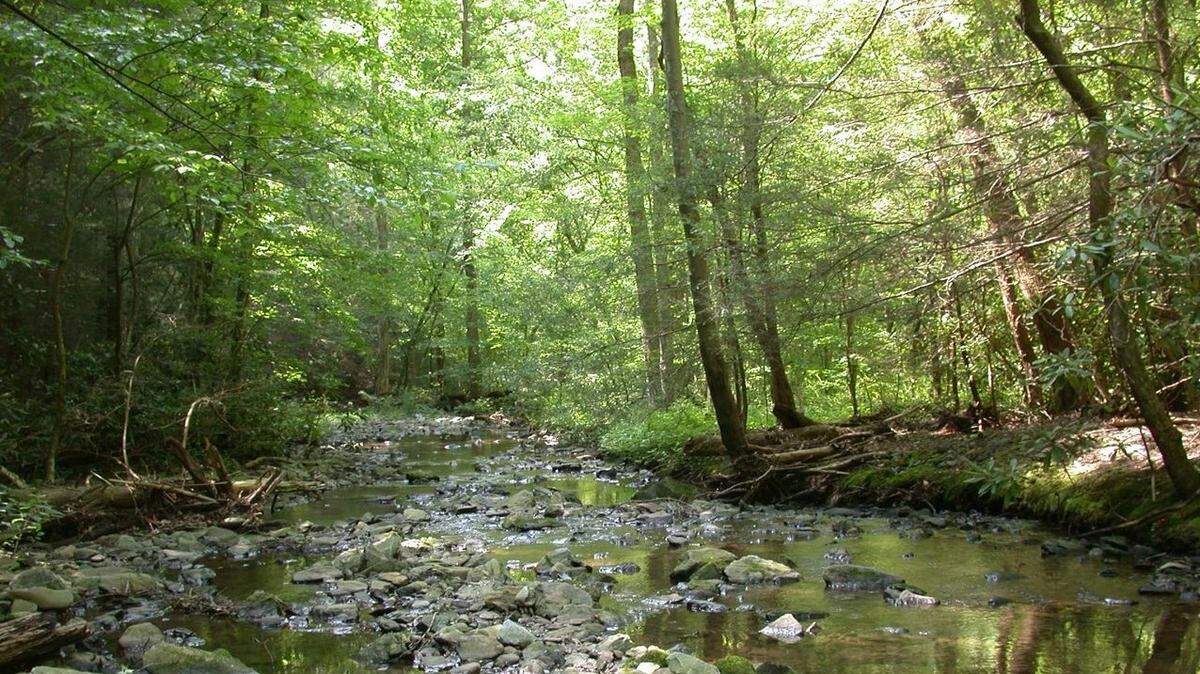
A researcher was wading through a shallow stream in the Appalachian Mountains of Tennessee while conducting a survey for road construction when he came across a rare clawed creature that didn’t look like any other.
Genetic testing revealed that the crustacean was a new species now named the Ocoee crayfish, according to a study published April 1 in the peer-reviewed journal Zootaxa.
Senior author Roger F. Thoma told McClatchy News he was hired with a group of other biologists to conduct species surveys in the Ocoee River Gorge ahead of potential construction on Route 64 in 2011. The team was tasked to find out whether the road work would impact species that needed protection.
Thoma recalled he wore waders as he trudged through the ankle-deep, “crystal clear” streams, overturning rocks to find creatures such as crayfish.
“It wasn’t long before I got this little crayfish that was rather unusual in its size,” he said.
Initially, he thought it was another local species, called Cambarus hiwasseensis.
“I had to identify everything they sent me. So I started trying to identify it,” Thoma said.
But when he started looking at samples of the species he thought it was, he realized his unidentified creature was smaller.
“I started thinking there’s something not right here,” he said.
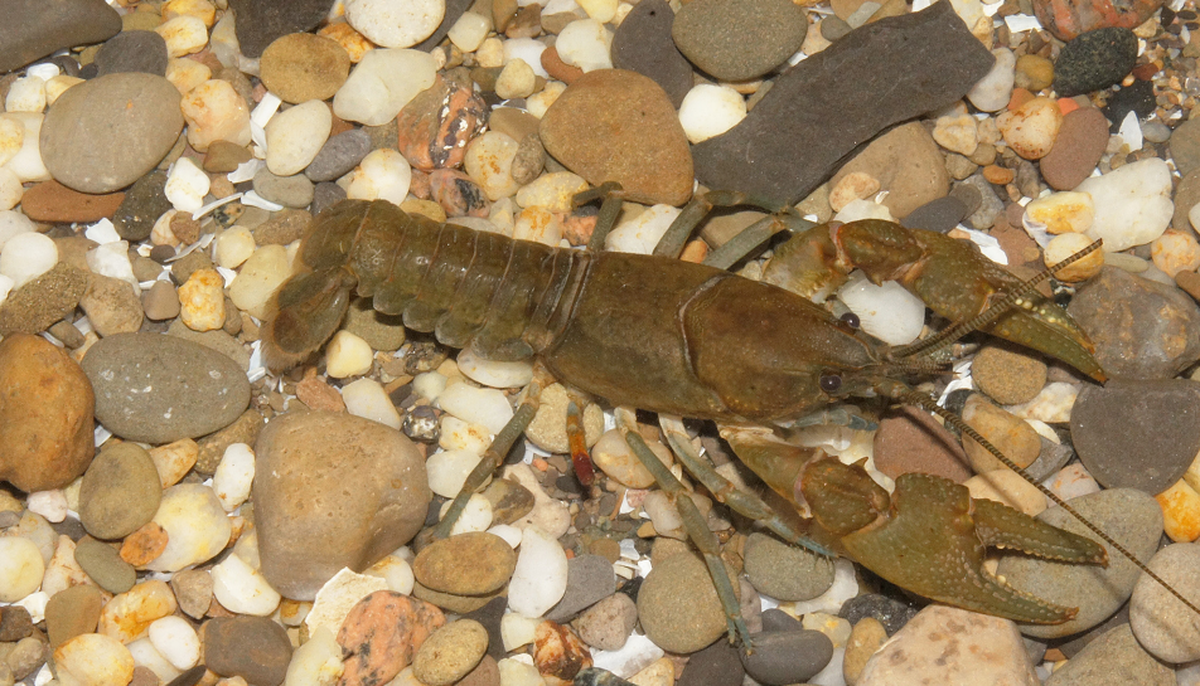
He passed along tissue samples to his co-author of the study, Bronwyn Williams, and she conducted genetic testing that determined this crustacean was its own species. Once Thoma figured out he had an undescribed species on his hands, he drove back to the area and collected more Ocoee crayfish, gathering 46 in total, according to the study.
The brown crustaceans are about 2 to 3 inches long with 10 legs, with two of them being pinchers in the front. They were collected in Polk County, Tennessee, which lies along the Georgia border.
“I think the most interesting thing about it, and this is the mystery part of it, is its distribution,” Thoma said.
According to the study, the species is found in an area of less than 8 square miles, and it tends to hide under rocks in narrow streams containing shale bedrock.
“The shale bedrock has high levels of iron oxide in it, which is, you know, not good for animals, because it makes your water acidic,” Thoma said. “And if you’re a crayfish, you have a calcium-based skeleton, that’s not good. But for some reason, this thing is confined to this area where the shale deposits are.”
The authors are recommending the Ocoee crayfish be listed as threatened based on its “exceedingly narrow distribution.” They said the Route 64 project could release more iron oxide from the shale deposits, possibly harming the crayfish.
Thoma said this is the 20th new species he’s participated in describing.
“I love finding a new species. That’s always exciting,” he said.
He’s found an average of one new species a year in his decades of sampling, demonstrating how much undiscovered biodiversity is out there.
“You don’t have to go to the Amazon to find a new species,” he said. “There’s probably one somewhere within a short distance from your home right now.”
This story was originally published April 2, 2025 at 4:25 PM with the headline "Clawed 10-legged creature found during Tennessee road survey. It’s a new species."