
Headless dolphin on remote NC island prompts search for culprit, officials say
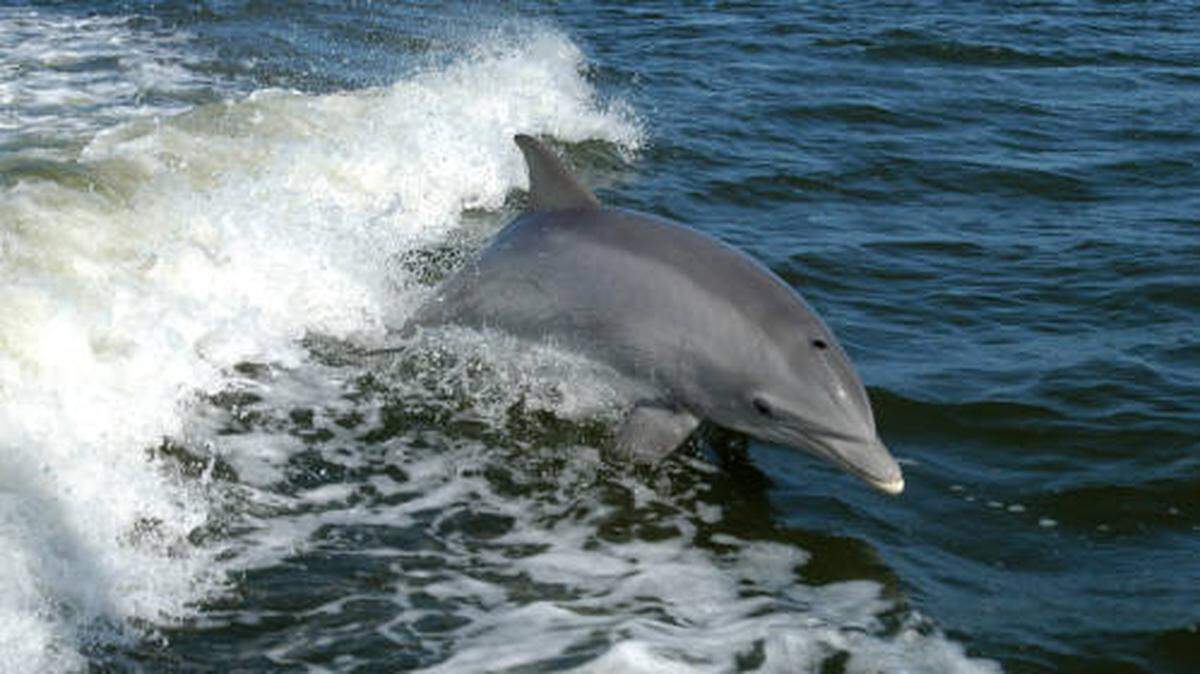
The grim discovery of a decapitated dolphin on a North Carolina island has ignited a federal investigation, with a $20,000 reward offered for help finding the culprit, according to the National Oceanic and Atmospheric Administration.
A cause of death for the bottlenose dolphin hasn’t been confirmed, but a necropsy revealed it was infected with brucellosis, an occasionally fatal disease that “can be transferred to humans through direct contact,” NOAA Fisheries reports.
“This animal was intentionally decapitated, a violation of the Marine Mammal Protection Act,” NOAA said in a May 12 news release. “The remote location where the dolphin was found adds to the difficulty of investigating this incident and cause of death.”
A passerby encountered the “intact” carcass April 15 on Lea-Hutaff Island and reported it to the Southeast Marine Mammal Stranding Hotline, officials said. The undeveloped barrier island is north of Wilmington and reachable only by boat, NOAA says.
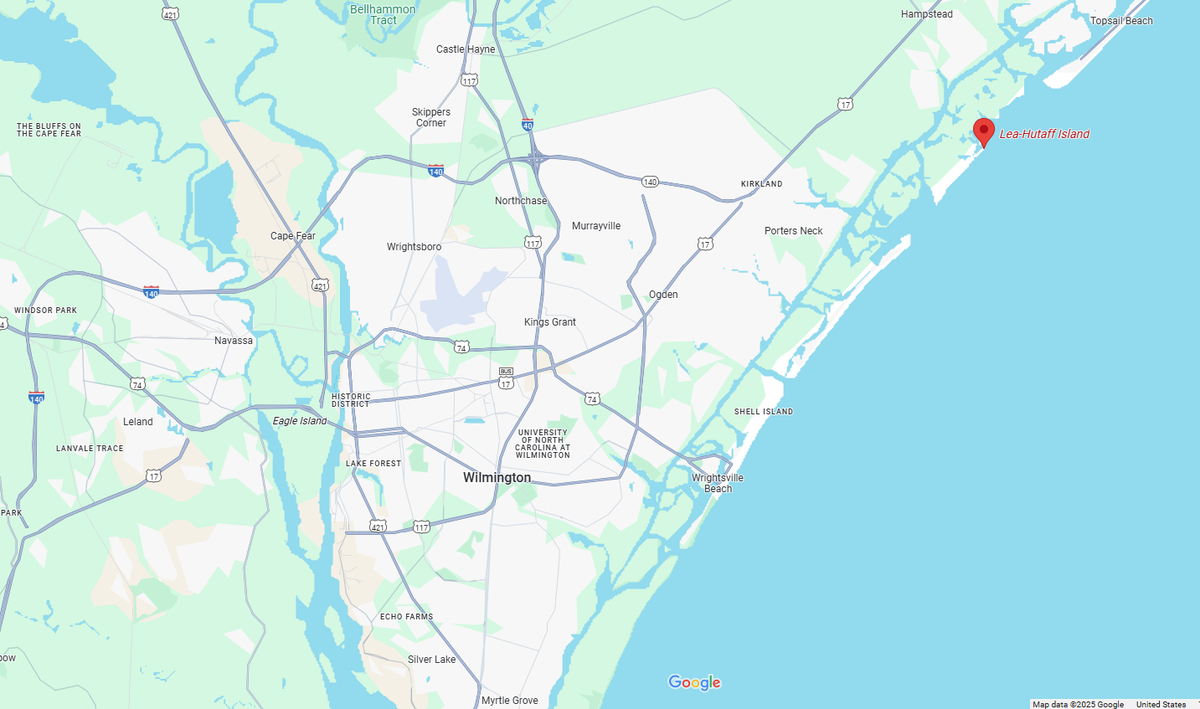
“When our stranding network partner, University of North Carolina at Wilmington, went to the reported location, the 8-foot dolphin had been intentionally mutilated and its head removed,” NOAA says.
“They determined that someone intentionally removed its head between April 16 and April 18, after they received the initial stranding report.”
Results of a necropsy are pending, but signs of a Brucella bacteria were revealed during an initial health assessment, officials said.
Human infection can “become chronic and lead to long-term disease associated with arthritis, endocarditis, chronic fatigue, depression, and swelling of the liver or spleen,” the Centers for Disease Control and Prevention says.
Just under 2% of infections are fatal, experts say.
Bottlenose dolphins are a protected species that can reach 1,400 pounds and live up to 60 years in U.S. waters, NOAA says.
“Harassing, harming, killing or feeding wild dolphins is prohibited under the Marine Mammal Protection Act, as is collecting protected species parts,” NOAA noted in the news release.
“Violations can be prosecuted civilly or criminally and are punishable by up to $100,000 in fines and up to one year in jail per violation.”
The NOAA Fisheries Office of Law Enforcement is investigating the decapitation and the reward is offered “for information leading to a criminal conviction or the assessment of a civil penalty.” Reach the NOAA Enforcement Hotline at (800) 853-1964.
This story was originally published May 14, 2025 at 2:28 PM with the headline "Headless dolphin on remote NC island prompts search for culprit, officials say."