
Ancient 200-pound fossil shell as big as a tire found on English island, photos show
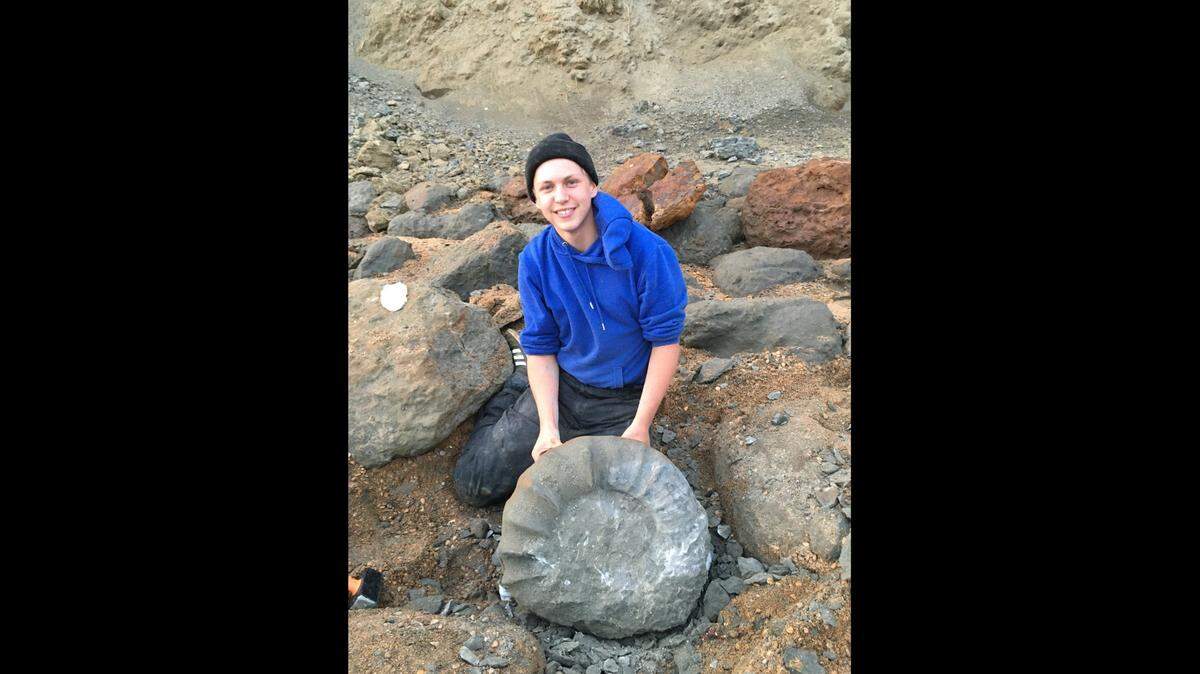
A fossilized sea creature shell weighing 211 pounds has been found among shards of rock that fell from a cliff on the Isle of Wight, according to a marine biologist working on the English island.
Fossil hunters with the group Wight Coast Fossils recovered the knee-high rock last week, and posted photos on Facebook showing it is the size of a tire.
The fossilized spiral — which is just under 22 inches wide — is an ammonite, best described as a “squid-like cephalopod living within the large spiraled shell,” the group says. (Technical name: Tropaeum bowerbanki.)
“This is a truly titanic 115 million-year-old Tropaeum ... that dwarfs all our previous finds!” Theo Vickers of Wight Coast Fossils told McClatchy News.
“It is a monstrous ... and an awesome example of just how massive some of these heteromorph ammonites could grow!”
It took more than two hours of hammering and chiseling to pull the fossil out of the rock, he said.
Ammonites were in the snail and squid family and lived during the Jurassic and Cretaceous periods, according to the British Geological Society. They had a “coiled external shell similar to that of the modern nautilus,” and those shells have survived after being buried millions of years in soft sea floor sediment that eventually turned to stone, the society says.
Wight Coast Fossils says the ammonite was found in an area known as Back of Wight, where 115 million-year-old stone has fallen in piles from towering Lower Greensand cliffs above.
“At this time, much of southern England was covered by warm shallow coastal seas home to marine reptiles, sharks, fish and a wealth of ammonites,” according to Vickers, a marine biology undergraduate at the University of Portsmouth.
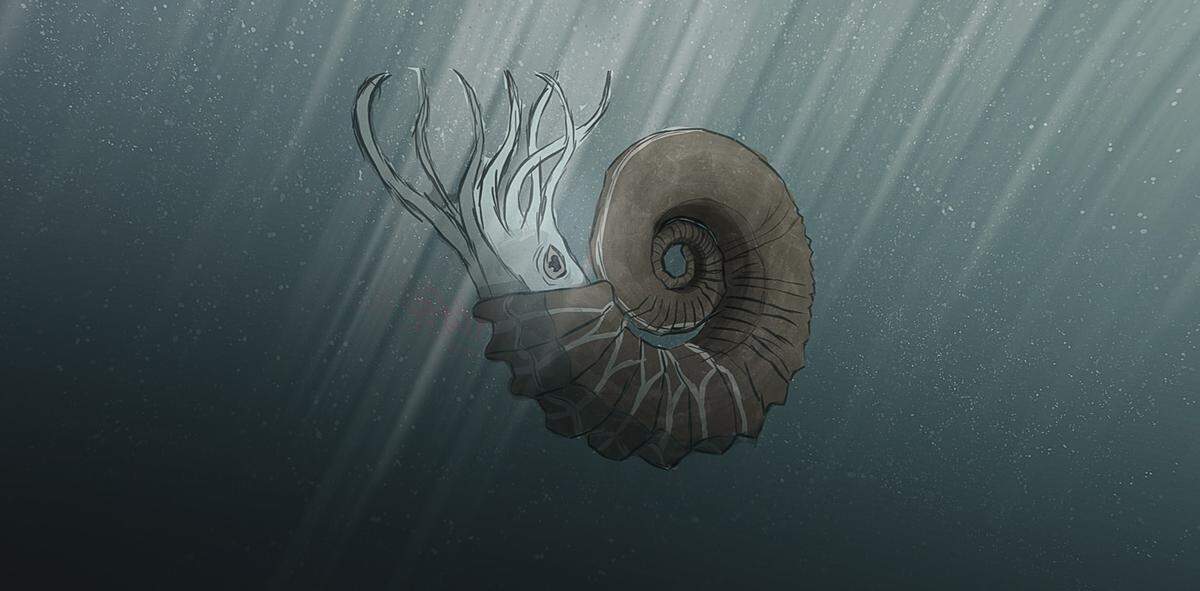
“This giant Tropaeum cruised through the turbulent coastal waters of the Lower Greensand seas catching and ensnaring passing plankton and small prey with its tentacles. Recent research has indicated heteromorphs like Tropaeum may have been adept swimmers,” he posted on Facebook.
The fossil’s size indicates it was a female, he said. In coming months, the scientists will study the fossil for clues, including possible teeth marks from ancient predators.
“We’ll be working hard to prepare and clean up this stunning ammonite ... in the hope we can restore this Isle of Wight giant to how it may have once looked over 100 million years ago,” the group posted on Facebook.
The largest ammonite species known was Parapuzosia seppenradensis from the Jurassic Period (201 million years ago), according to GeologyIn.com.
In 1895, a partial specimen found in Germany was 5.9 feet in diameter and experts estimate the complete shell could have been 8 to 11 feet, the site says.
This story was originally published June 11, 2020 at 11:17 AM with the headline "Ancient 200-pound fossil shell as big as a tire found on English island, photos show."