‘Large’ woodland creature — with ‘ladder-like’ pattern — discovered as new species
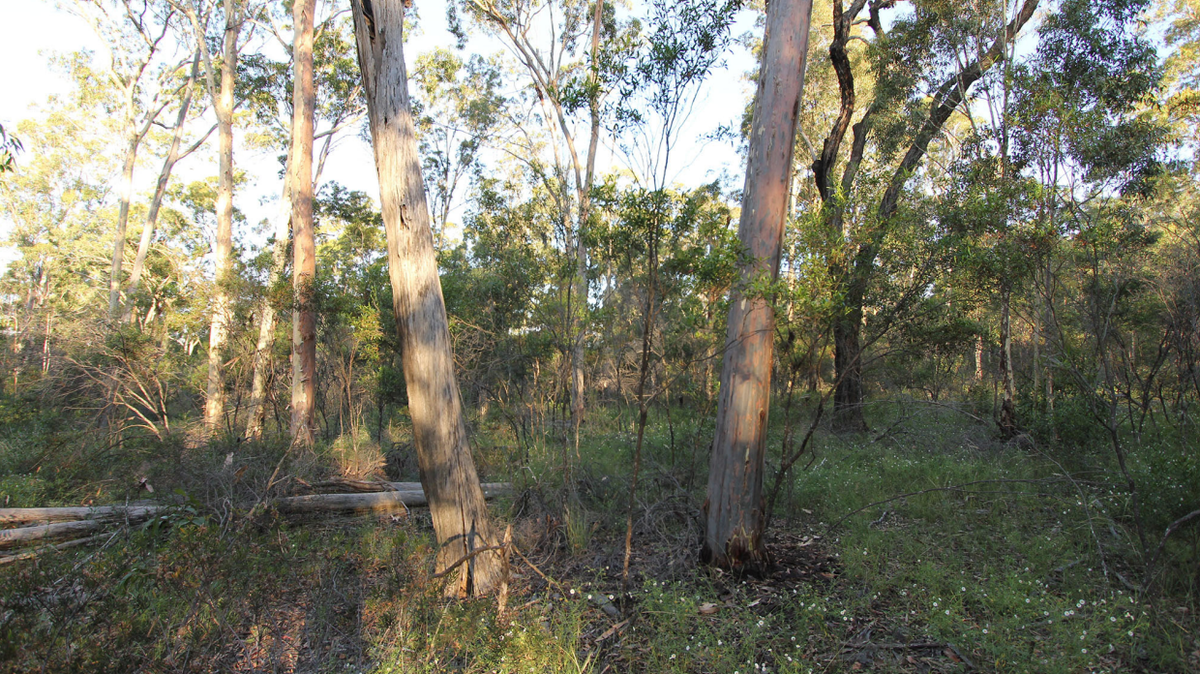
Hidden under the cover of night and nestled in the woodlands of Australia, a “large” creature searched for food. The animal’s “ladder-like” pattern helped it blend into the trees, but the camouflage wasn’t foolproof.
The patterned animal was caught — and discovered to be a new species.
Researchers ventured into the woodlands of Queensland and New South Wales to survey local wildlife, according to a study published Sept. 11 in the journal Zootaxa.
Co-author Conrad Hoskin told McClatchy News that, over several different projects, they started noticing geckos that “clearly looked different” from any known species.
While searching in “open woodlands,” researchers found 13 geckos on twigs, branches, tree trunks and tree stumps, the study said. Taking a closer look, they realized they had discovered a new species: Amalosia hinesi, or the Nandewar zigzag gecko.
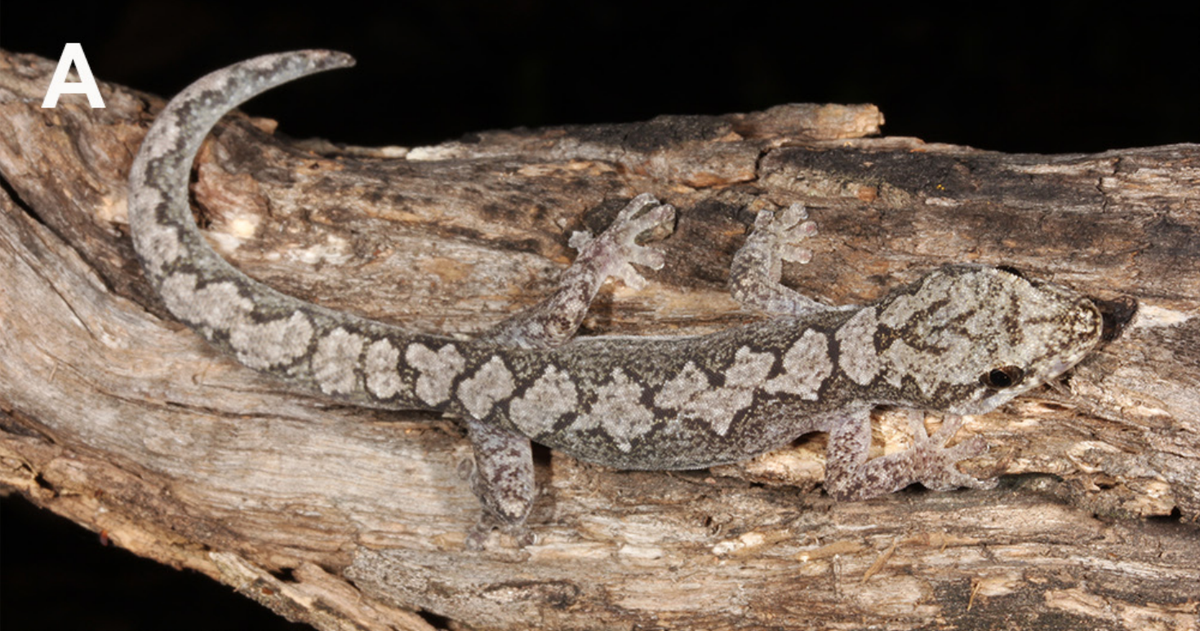
The Nandewar zigzag gecko is considered “large,” reaching about 4.5 inches in size, researchers said. It has “dark copper” eyes, a “slender” body and several “spurs” or “large, pointed” spikes near the base of its tail.
A photo shows a Nandewar zigzag gecko blending into a piece of wood. It has a grayish-brown coloring and a dark, spiky line down each side. The spiky lines are not perfectly symmetrical, giving the gecko’s back a fragmented look. Researchers described its pattern as “ladder-like.”
Nandewar zigzag geckos are nocturnal and eat arthropods, an animal group that includes insects, spiders and crustaceans, the study said.
The “species is really rare,” Hoskin said, with “very few records” due to its “low” population density.
Researchers named the new species “hinesi” after Harry Hines, “a senior conservation officer with the Queensland Department of Environment and Science” who collected some of the gecko specimens. The gecko’s common name “Nandewar” refers to the area where it was discovered.
The Nandewar zigzag gecko was found in southeastern Queensland and northeastern New South Wales, researchers said. The area with the “most records” of the new species is part of the Nandewar Bioregion. This area, centered around Inverell, is about 350 miles northwest of Sydney.
The new species was identified based on its coloring, scale pattern and body shape, the study said. DNA analysis found the new species had a “high genetic divergence” from other zigzag geckos. Hoskin said the species had “at least 25%” genetic divergence.
The research team included Conrad Hoskin and Patrick Couper. Researchers also discovered four more new species of zigzag gecko: a “large” rock-dwelling gecko, a mountain-dwelling gecko, a sap-licking gecko and a small “pale” gecko.
Zigzag geckos are an understudied group of lizards found “across eastern and northern Australia,” researchers said. The geckos are named after the distinctive zigzag pattern that runs down their backs.
This story was originally published September 13, 2023 at 9:49 AM with the headline "‘Large’ woodland creature — with ‘ladder-like’ pattern — discovered as new species."