Parasitic creature — with unique teeth — found in forests of Asia. It’s a new species

In a forest in southern China, a parasitic creature flew through the air. Suddenly, a net enveloped the animal. Scientists looked at their successful catch — and discovered a new species.
Equipped with bug-catching nets, researchers ventured into a forest in Guangzhou in 2022, according to a study published Dec. 1 in the European Journal of Taxonomy. While there, they captured a spotted wasp.
Intrigued, researchers searched for any records of similar-looking wasps and found seven more specimens in archive collections, the study said. They studied the insects and realized they’d discovered a new species: Serratichneumon maculatus, or the spotted parasitic wasp.
Spotted parasitic wasps have a body about 0.5 inches in length and slightly shorter wings, researchers said. Their faces are “flat,” and their mouths have two “distinctly separated teeth.”
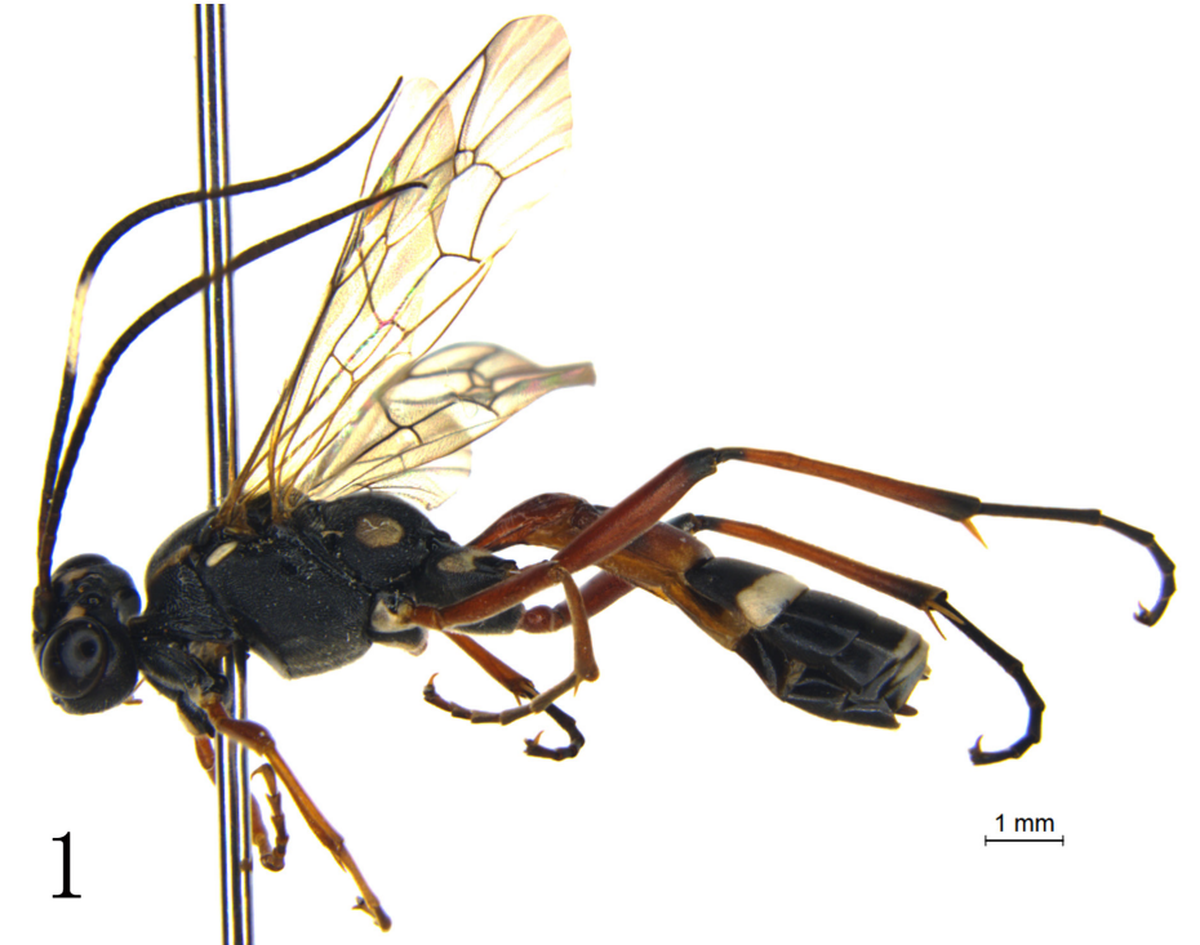
A photo shows a spotted parasitic wasp. It has a black body with lighter-colored patches that researchers described as “drop-shaped” and “large white and red spots.” Its six legs are reddish-brown.
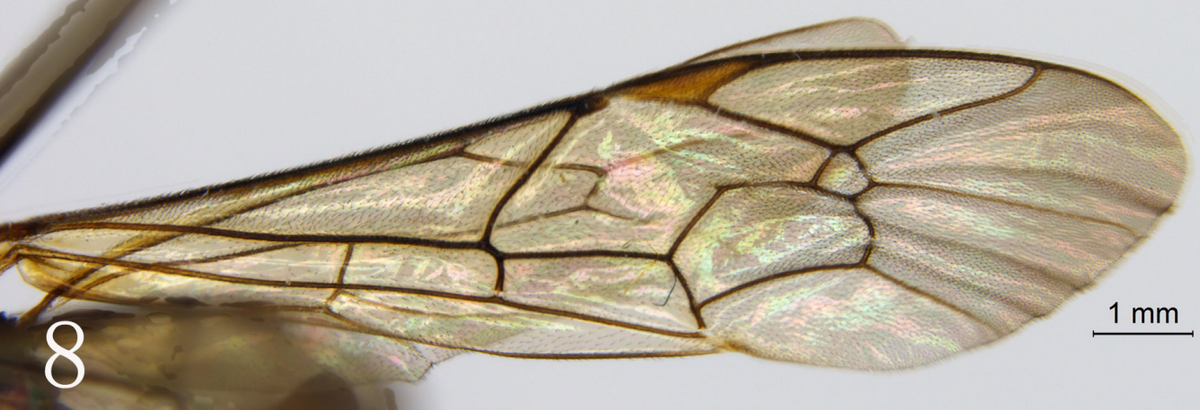
A close-up photo shows the wasp’s wings. The wings are a translucent yellow with dark brown veins and a glossy appearance.
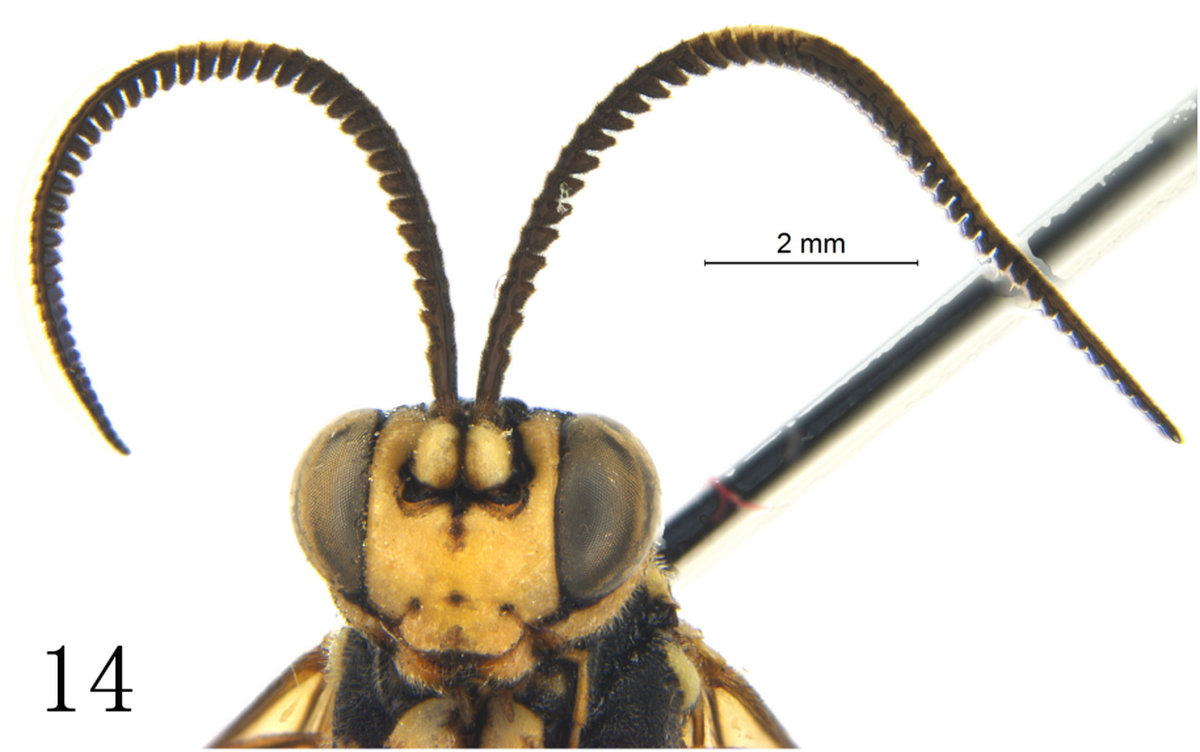
Male spotted parasitic wasps have “serrated” antennae, the study said. A photo shows these antennae which seem to have a similar shape to a leafy plant.
Researchers have not identified the spotted parasitic wasp’s host animal, the study said. Based on the wasp’s anatomy, they suspect its host is a type of butterfly or moth larvae.
So far, spotted parasitic wasps have been found in China, Vietnam and Indonesia.
Researchers said they named the new species after the spots on its body.
The new species was placed in a new genus and identified by its antennae shape, unique teeth, body shape and other subtle physical features, the study said. Researchers did not provide a DNA analysis of the new species.
The research team included Mao-Ling Sheng, Matthias Riedel and Zhong Wang.
This story was originally published December 5, 2023 at 3:13 PM with the headline "Parasitic creature — with unique teeth — found in forests of Asia. It’s a new species."