Sea creature with 328 tentacles found suctioned to rock in Japan. It’s a new species
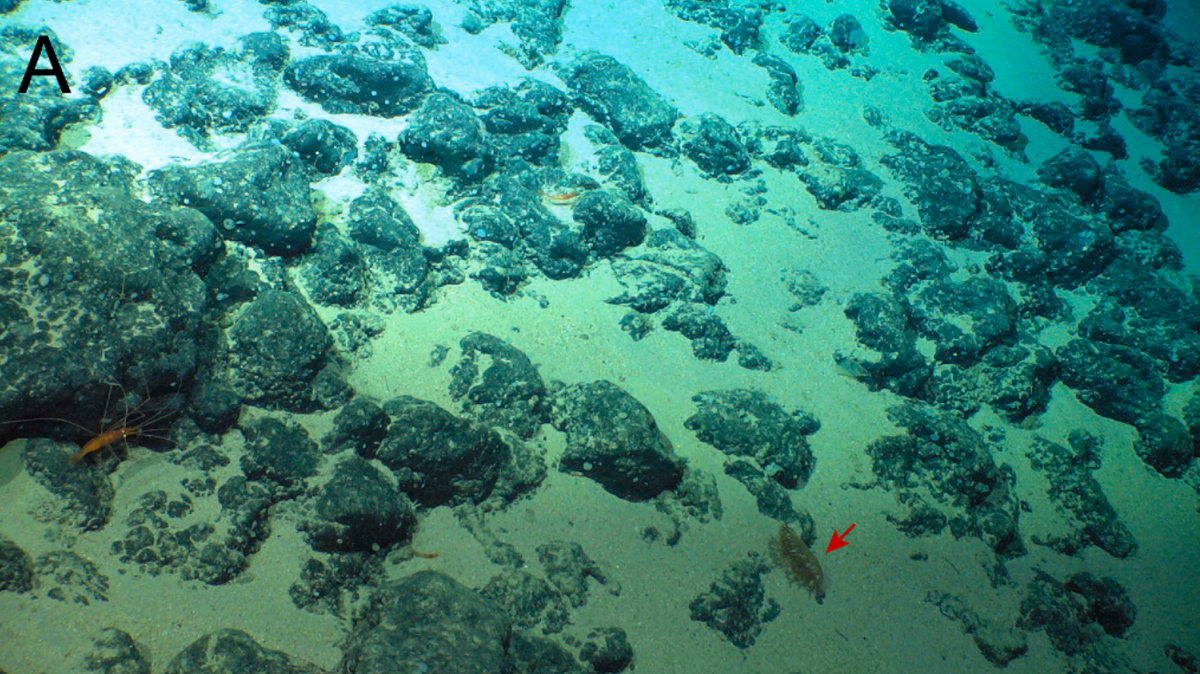
Deep underwater off the coast of Japan, a sea creature with hundreds of tentacles swayed in the current. Unbeknownst to the rust-colored animal, it was about to be discovered as a new species.
Scientists set out to survey the An’ei Seamount, a protected marine area off the southern coast of Japan, in 2021, according to a study published Dec. 7 in the journal Deep Sea Research. As they piloted a remotely operated submarine around the seafloor, the researchers found a sea pen suctioned to a rock.
Sea pens are a group of invertebrate ocean animals named for their feather-pen-like appearance, according to Britannica. Like corals, sea pens are colonial organisms, meaning they are formed by a colony of polyps.
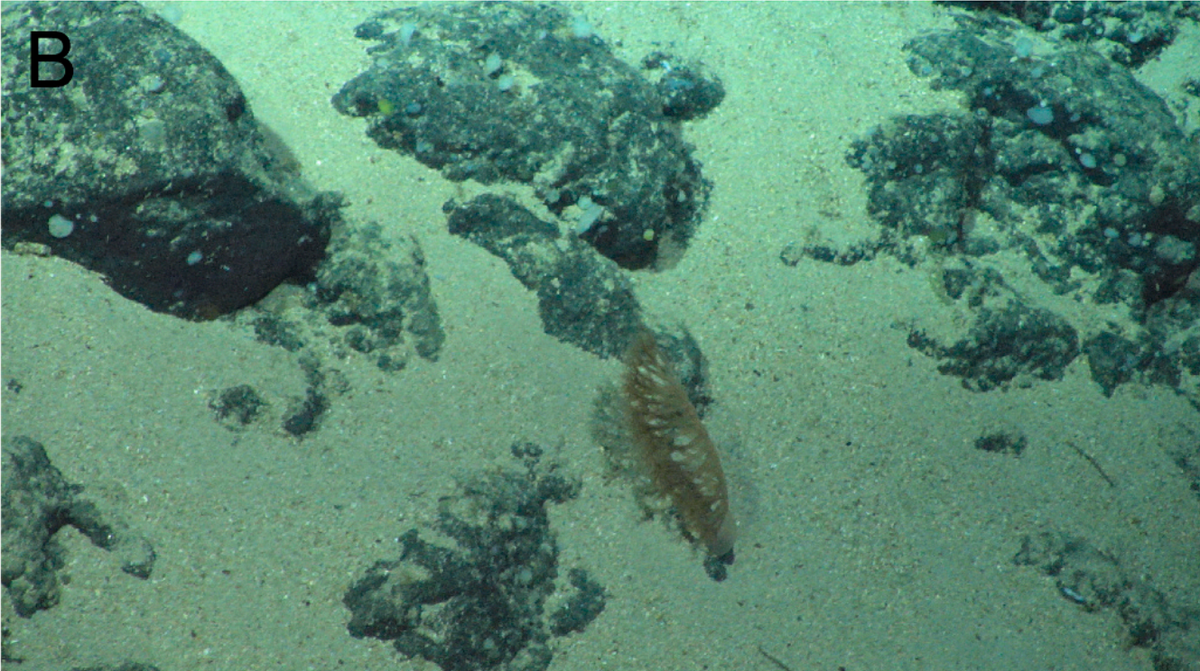
Researchers captured the sea pen from An’ei Seamount, the study said. Taking a closer look, they realized they’d discovered a new species: Anthoptilum gnome, or the gnome sea pen.
The gnome sea pen is about 4.6 inches long and shaped similar to a leafy plant, researchers said and photos show. The animal has a central stalk covered in 41 polyps and a “sucker-like” base structure on one end to attach to rocks.
Researchers described the gnome sea pen as “slender” in shape.
Photos shows the gnome sea pen in its natural habitat and after being preserved. In life, it looks almost like a palm frond. In preservation, it looks like a stick covered with sea anemone-like growths. These are its polyps.
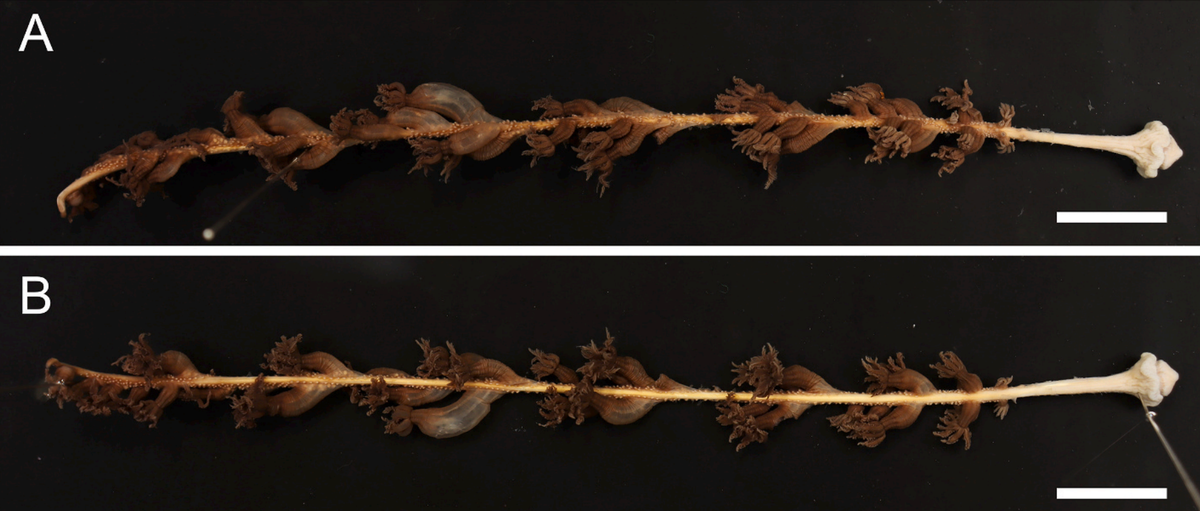
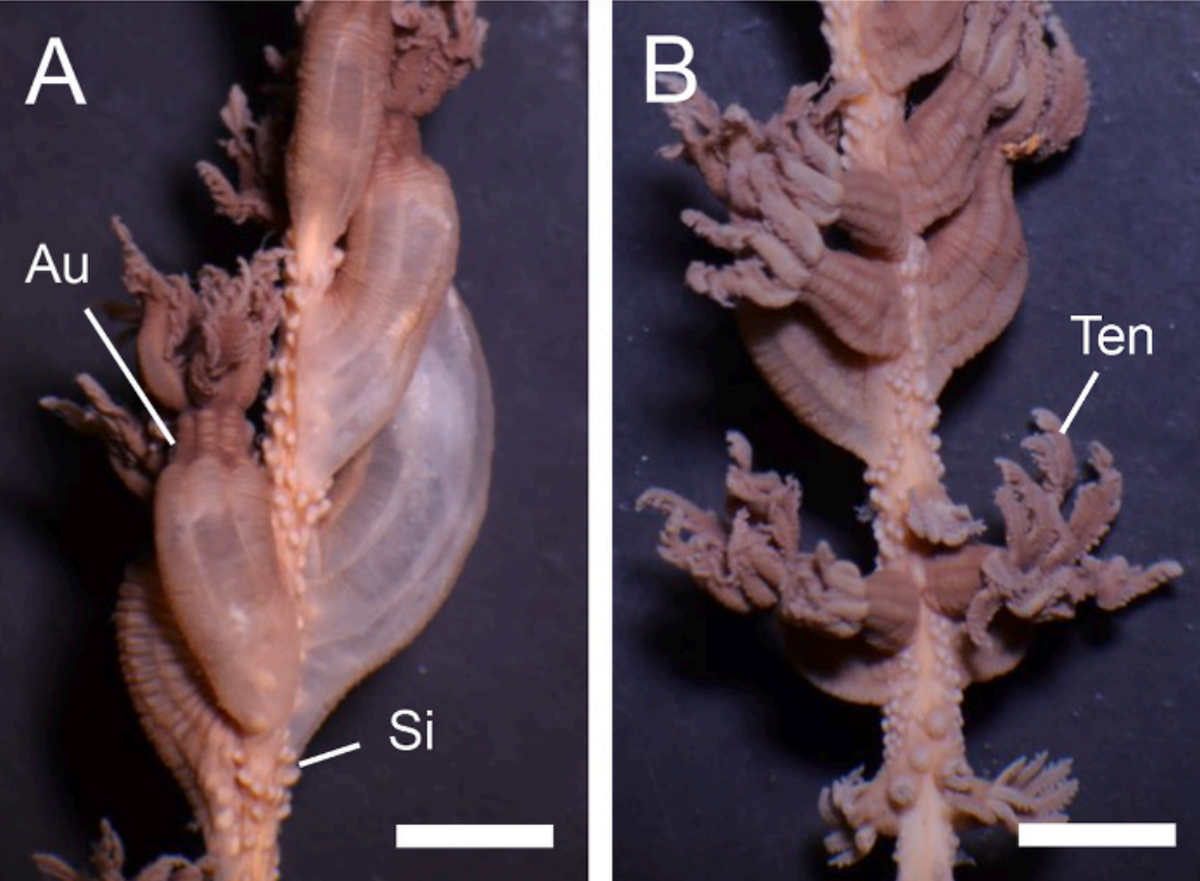
Each polyp has eight tentacles, the study’s lead co-author Yuka Kushida told McClatchy News over email. Overall, the gnome sea pen has 328 tentacles.
Several close-up photos show a diagram of this anatomy. The polyps are marked with the label “Au,” and the tentacles are marked with “Ten.”
Researchers said the gnome sea pen is unique because it is only the fifth species of sea pen to live on rocks. “Almost all sea pens inhabit soft” materials on the seafloor, the study said. The new species is one of the few “exceptional species” of sea pen that lives on hard surfaces.
The gnome sea pen was named after the gnome, which researchers described as an “elemental spirit presiding over the ground.” The name refers to the way the sea pen appears to stand on a rock.
The new species was identified from a single specimen based on its habitat, suctioning structure and other subtle physical features, the study said. Researchers collected the new species’ DNA — the first time genetic material was collected from a rock-dwelling sea pen species.
The study said further research and more records are needed to better understand the rock-dwelling sea pens.
The research team included Yuka Kushida, Hiroki Kise, Akira Iguchi, Yoshihiro Fujiwara and Shinji Tsuchida.
This story was originally published December 8, 2023 at 12:43 PM with the headline "Sea creature with 328 tentacles found suctioned to rock in Japan. It’s a new species."