500-year-old stone quarry used by Inca empire found along coast of Peru, photos show
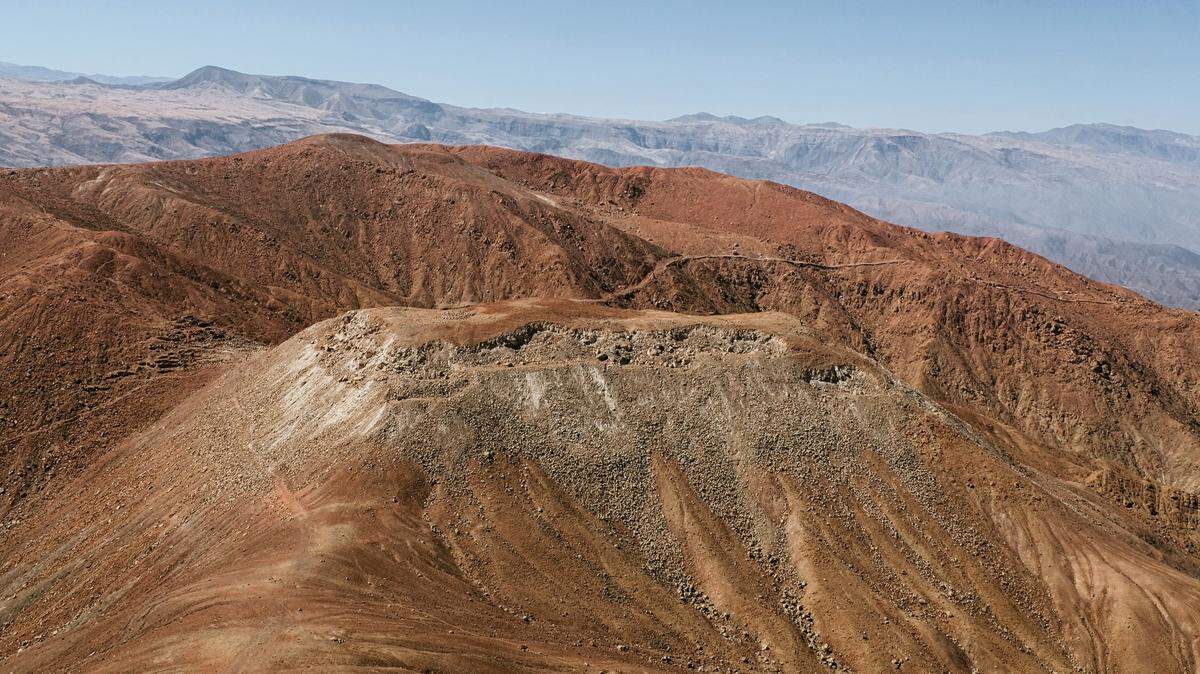
Atop some mountains in Peru sit the remnants of a large-scale production center. Once an important location, the sites have been forgotten over the centuries. Not anymore.
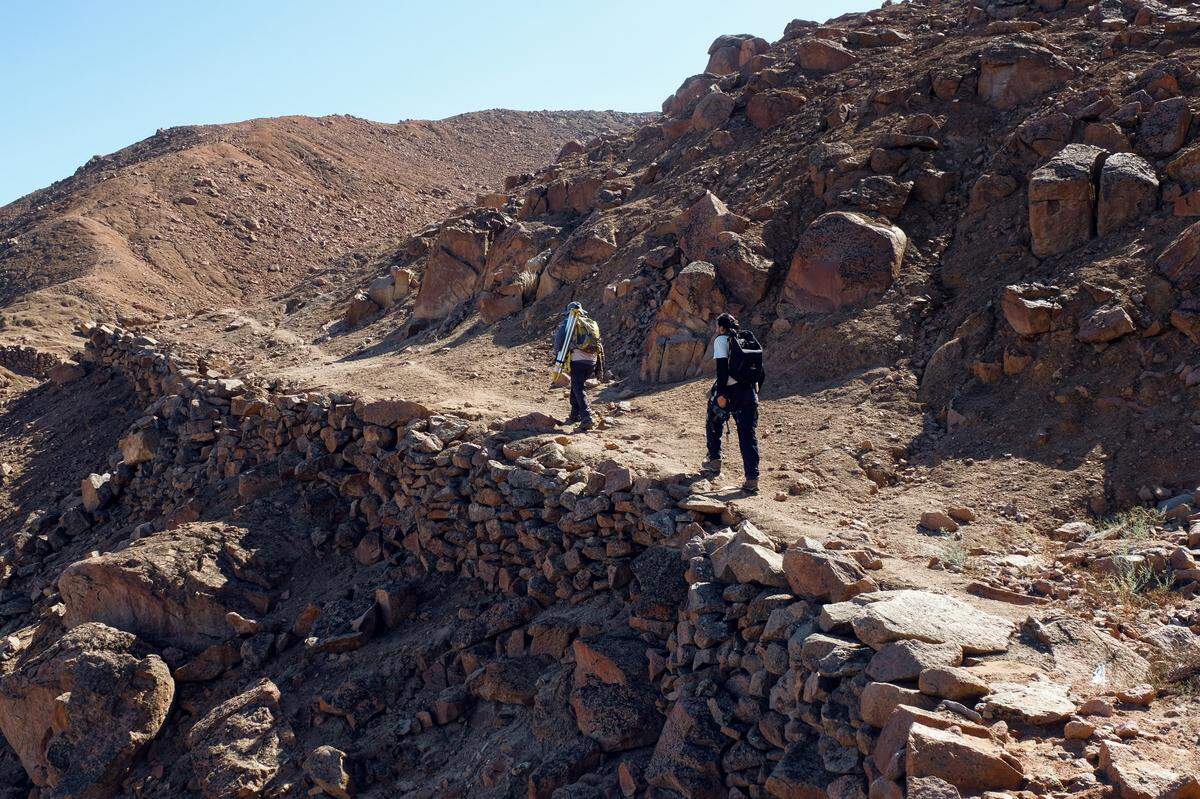
Archaeologists found the pair of stone quarries in the mountains of Cañete Province and identified them as being used by the Inca empire during its final years, Peru’s Ministry of Culture said in a Dec. 9 news release.
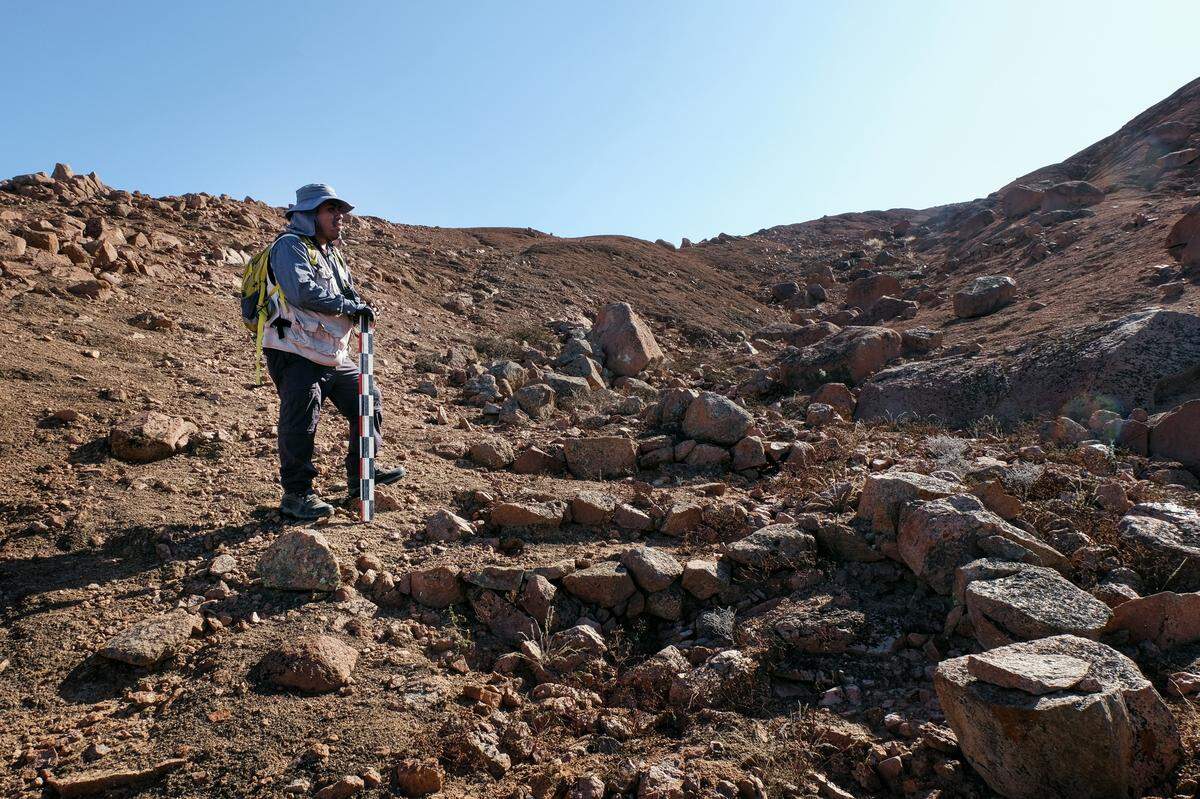
The 500-year-old quarries and their workshops produced square stone blocks known as ashlars, archaeologists said. These types of stones were used in many of the Inca empire’s construction projects.
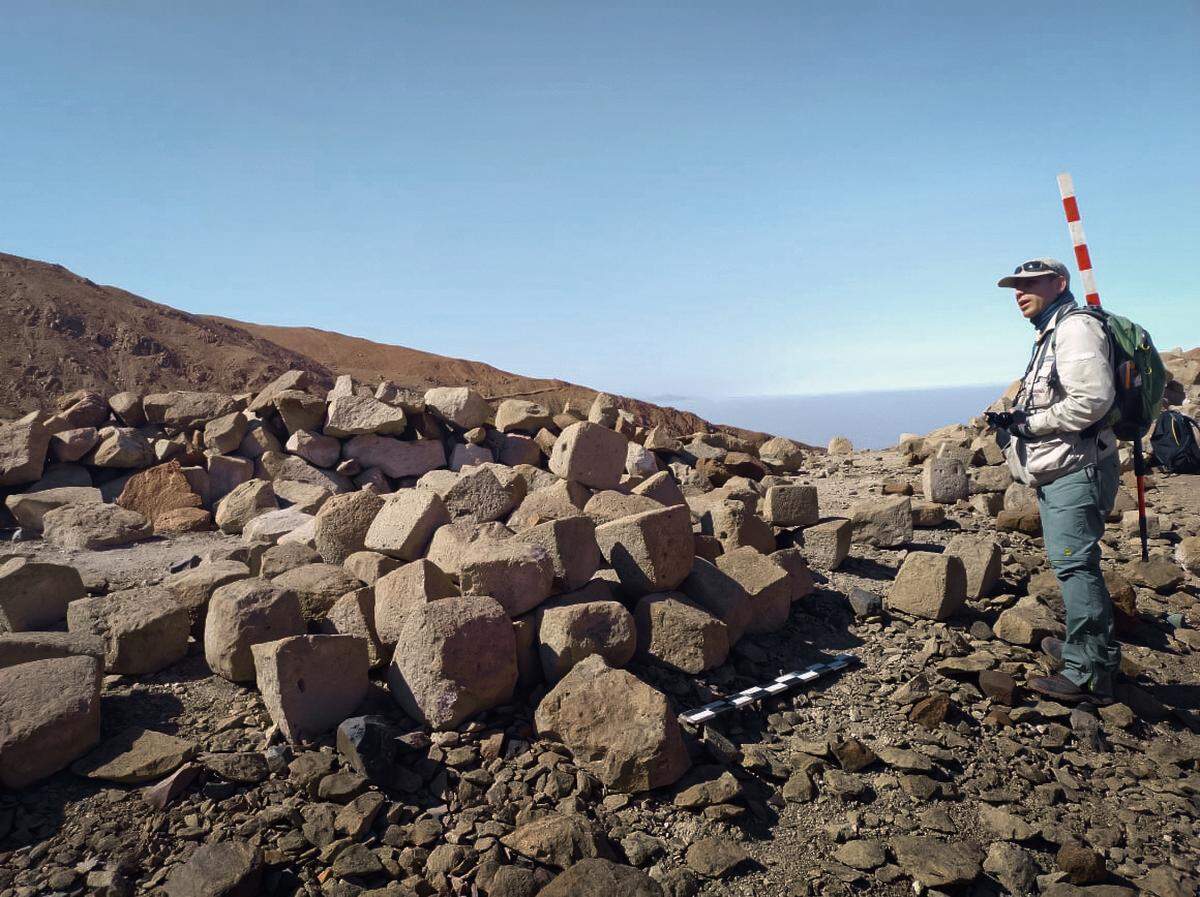
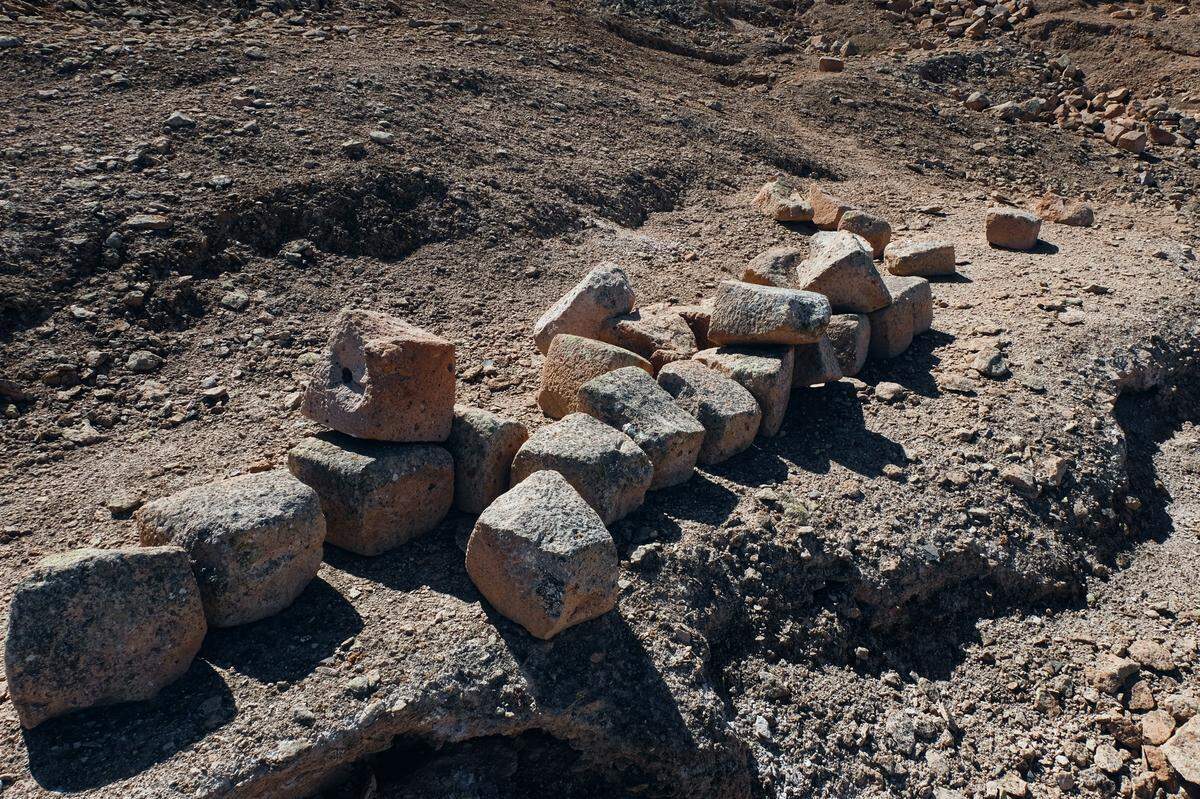
Archaeologists also found a network of roads and trails used to transport stone from the quarries to other parts of the Inca empire, the release said.
The Qhapaq Ñan Project shared photos of the quarries and road network in a Dec. 9 Facebook post. Two photos show some of the carved stones still sitting at the quarry.
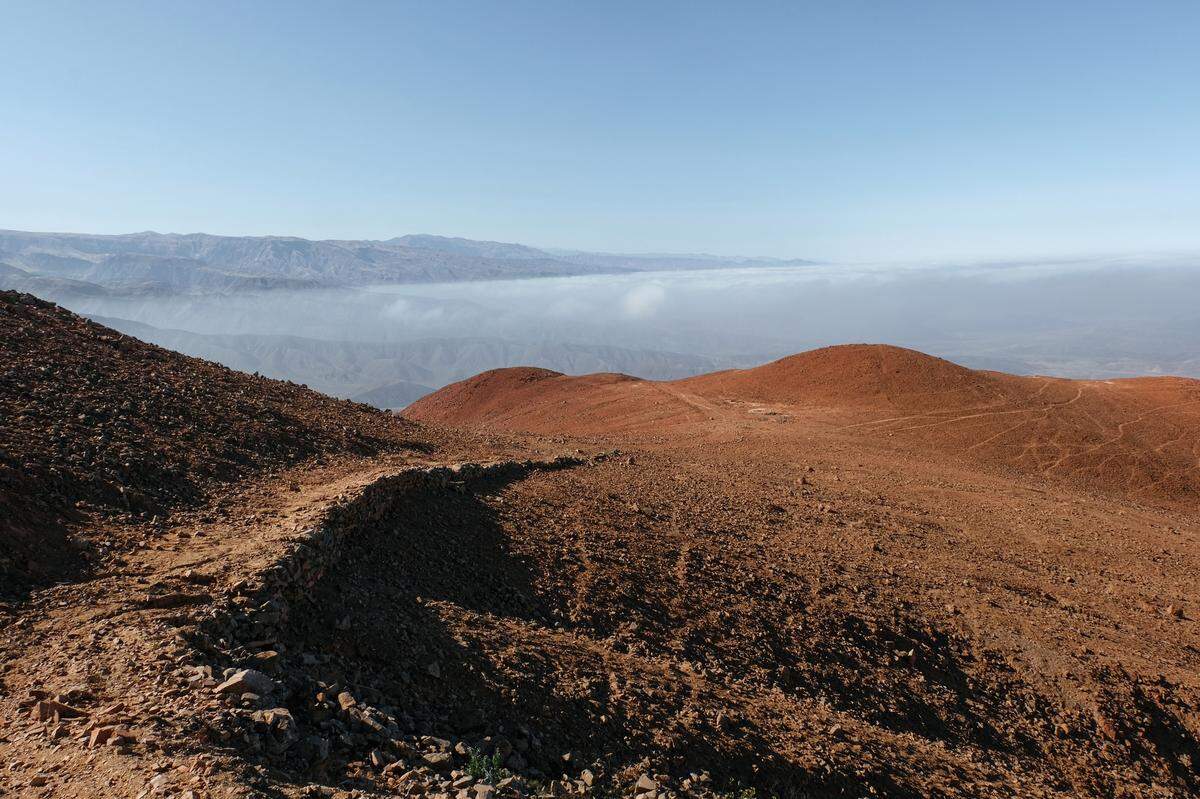
Archaeologists described the quarries as an important production center during the Inca empire’s final years and the first such site found along the Peruvian coast.
The Inca empire, which referred to itself as Tahuantinsuyu, spanned modern-day Argentina, Bolivia, Chile, Ecuador and Peru, according to Britannica. The empire emerged in prominence in the 1400s and maintained control of its vast territory until 1533 when Spanish colonists captured its capital city.
During its peak, the empire built an extensive network of roads across the Andes mountains. This system, known as Qhapaq Ñan, had over 18,000 miles of road and served as the “lifeline” of the empire, according to UNESCO. Qhapaq Ñan became a UNESCO World Heritage Site in 2014.
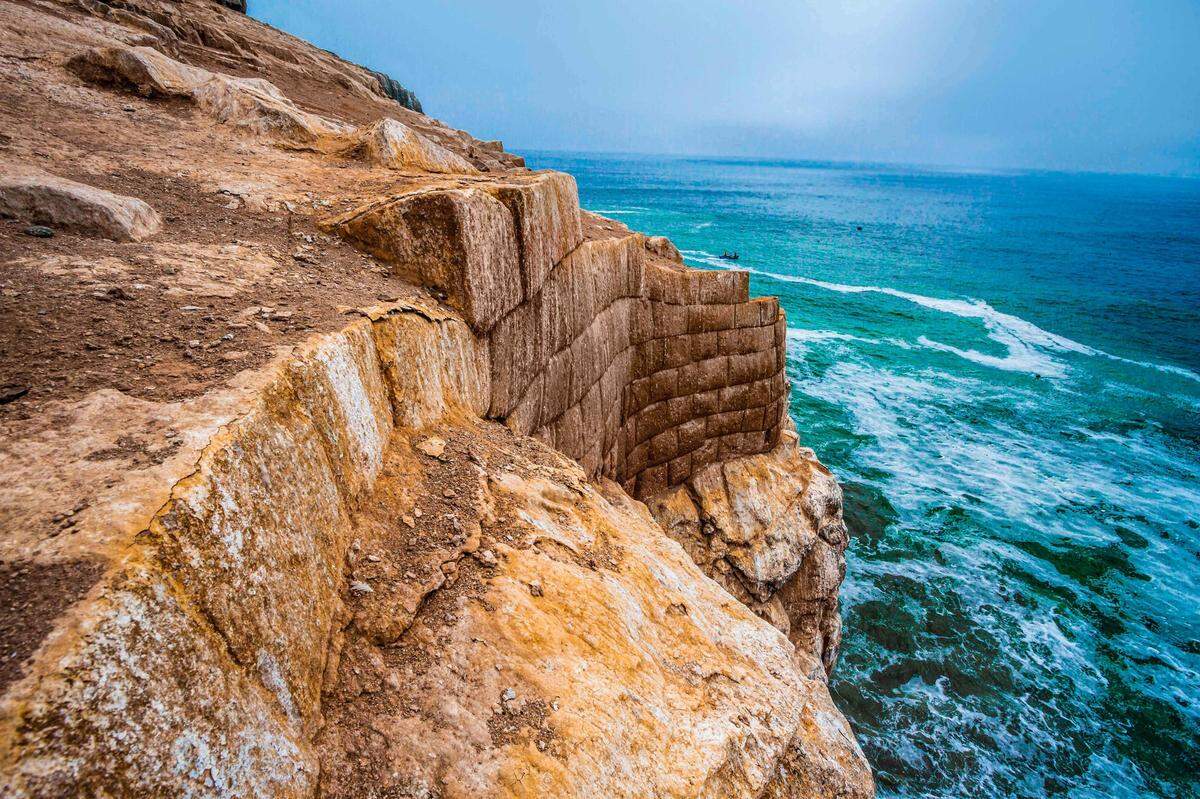
The stone quarries in Cañete Province likely supplied construction materials to several nearby Inca sites along the Peruvian coast, the release said. The stone blocks may have been used in building projects almost 200 miles away.
A photo shared by the Qhapaq Ñan Project on Facebook shows El Huarco, one of the nearby sites built from stones quarried in the Cañete mountains.
Archaeologists said they will continue studying the quarries next year.
The quarries are in Cañete Province and about 90 miles southeast of Lima, the capital city.
Google Translate was used to translate the news release from Peru’s Ministry of Culture and the Facebook posts from the Qhapaq Ñan Project.
This story was originally published December 11, 2023 at 12:55 PM with the headline "500-year-old stone quarry used by Inca empire found along coast of Peru, photos show."