‘Giant’ creature with ‘finger’-like genitalia found in Tanzania. It’s a new species

In the bushland of Tanzania, some “giant” creatures went about their day — or tried to. Something about the many-legged animals caught the attention of nearby scientists. They captured the millipedes, preserved them and sent them to a museum.
That was in 1996.
Ever since, the millipedes had gone overlooked, according to a study published Dec. 19 in the journal Zootaxa.
Almost 30 years after their capture, Henrik Enghoff decided to take a closer look at three of these millipedes, he wrote in the study. Examining the animals, he realized that he’d discovered a new species: Spirostreptus digitus, or the digitus giant millipede.
Digitus giant millipedes can reach about 6.7 inches in length and about half an inch in width, the study said. They have yellow-brown bodies with over 60 segments, many legs and compound eyes with over 50 sections. Several close-up photos show the head of the new species.
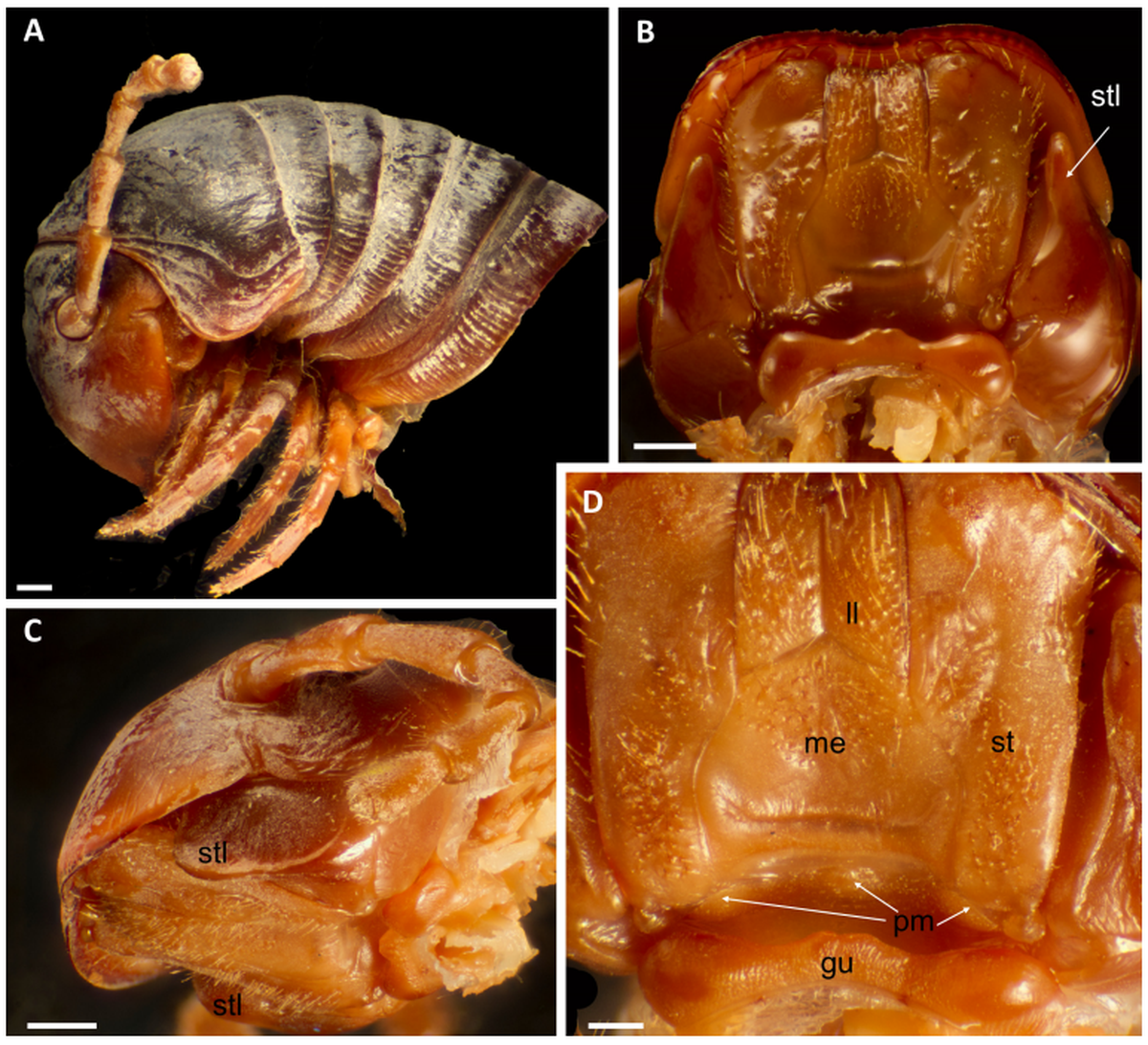
Enghoff told McClatchy News via email that he did not have a full-body photo of a digitus giant millipede. Instead, he pointed to a photo of a “closely related species, Spirostreptus heros,” for reference.
The most distinctive feature of the new species — and the inspiration for its name — is its genitalia, the study said. Male digitus giant millipedes have external genitalia, known as gonopods, that “somewhat resembles a fist with an extended (index) finger … and a laterally extended thumb.”
Enghoff said he named the new species after the Latin word for finger, “digitus.”
Digitus giant millipedes have only been found in the Iringa Region, the study said. Some were found in “open bushland” while another was found at a tree farm.
Iringa is a region in central Tanzania, about 260 miles southwest of the former capital city of Dar es Salaam. Tanzania is an east African country that borders the Indian Ocean to the east; Kenya and Uganda to the north; Rwanda, Burundi, the Democratic Republic of the Congo, Zambia and Malawi to the west; and Mozambique to the south.
The new species was identified by its “distinct” genitalia and other subtle physical features, the study said. Researchers did not provide a DNA analysis of the new species.
Enghoff also studied several other species of giant millipede.
This story was originally published January 4, 2024 at 11:20 AM with the headline "‘Giant’ creature with ‘finger’-like genitalia found in Tanzania. It’s a new species."