‘Funky’ flower-like sea creature — with both testes and ovaries — is a new species
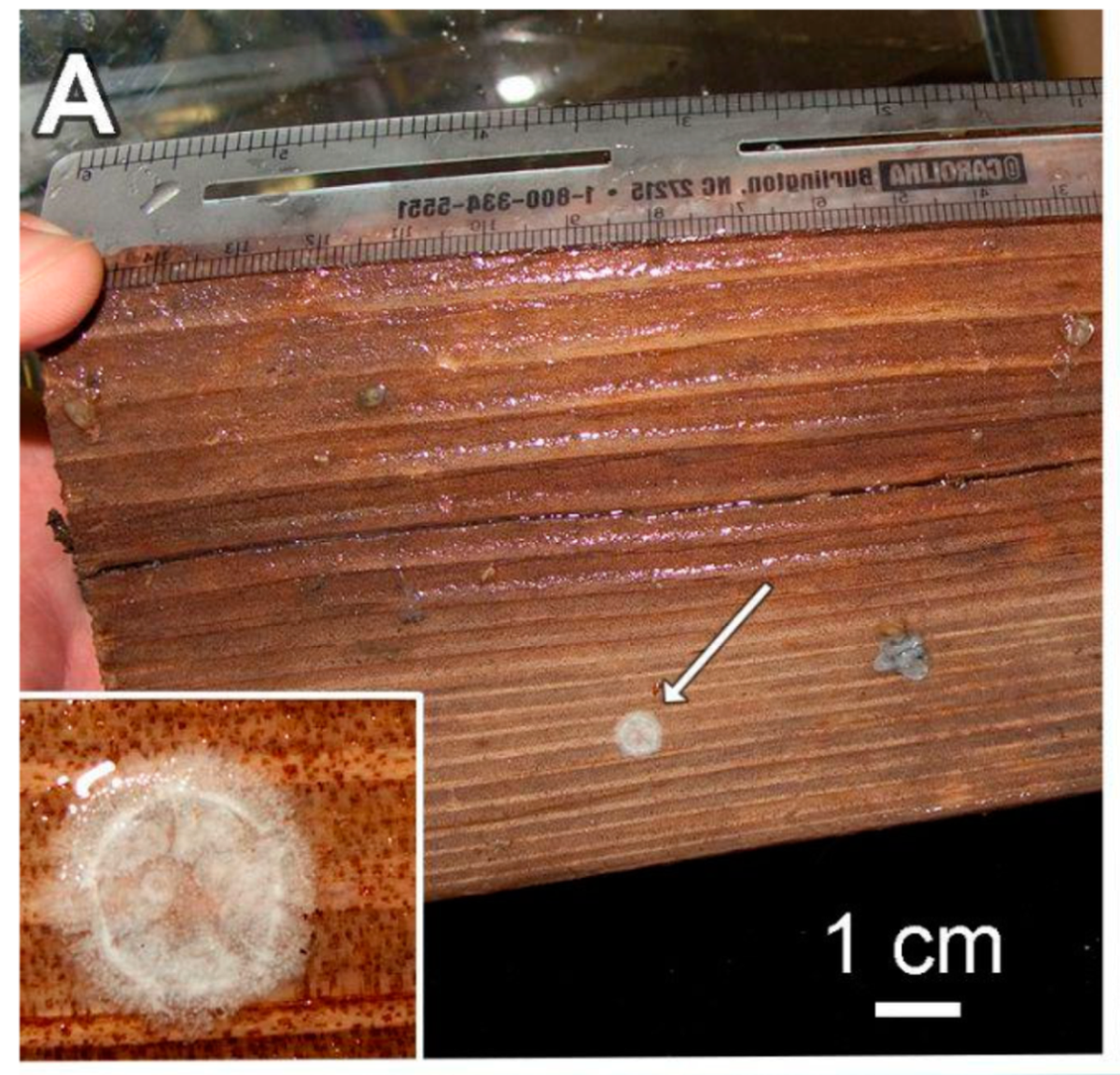
A tiny, mouthless creature clung to a piece of wood in the depths of the Pacific Ocean off the coast of Canada. That’s when the “unusual” animal was plucked from its home by researchers in a deep-sea submersible.
Scientists were exploring the Pacific Ocean for sea stars, specifically specimens belonging to the deep-sea wood-dwelling group of creatures known as Xyloplax or sea daisies, according to a study published Dec. 12 in the journal Diversity.
After collecting nearly 70 sea daises from the Pacific coast of Canada, Mexico and Costa Rica, the team of researchers realized they had actually found a new species: Xyloplax princealberti, or Prince Albert’s sea daisy. The new species was named in honor of Prince Albert II of Monaco, scientists said.
The discovery marks the fourth known species of Xyloplax — the second from the northeast Pacific region and the first from the Pacific coast of Central America, experts said.
.png "image (7).png")
The creatures were discovered from the Juan de Fuca Ridge off the coast of Canada, on the Alarcón Rise in the Gulf of California in Mexico and at Jaco Star off the coast of Costa Rica, scientists said. They were found between about 6,000 feet underwater and about 8,000 feet underwater.
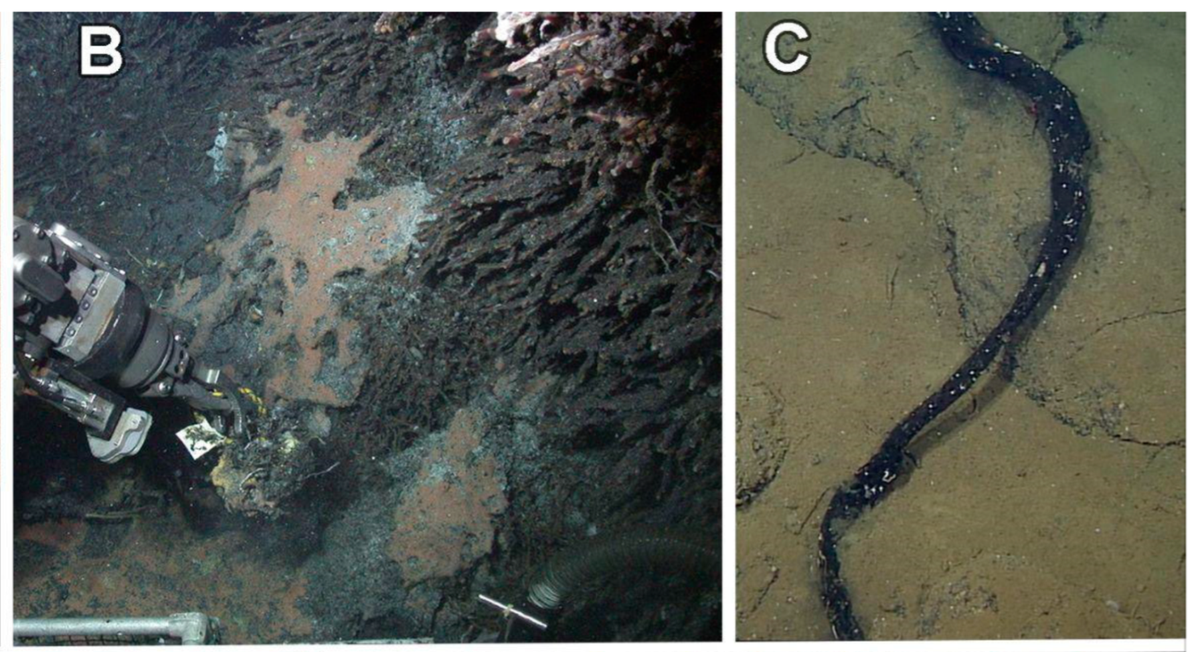
Researchers said they discovered the species on wood and bone deposits, as well as in “clump(s) of tubeworms” located near deep-sea geysers — known as hydrothermic vents — using Remotely Operated Vehicles, Deep Submergence Vehicles and other researcher vessels.
Prince Albert’s sea daisies are small creatures — specimens ranged in size from approximately 0.04 inches to 0.3 inches in diameter, scientists said. They have a disc-shaped to “weakly pentagonal” body, and they lack a mouth, anus and intestines.
A video shared by co-author Ekin Tilic shows a 3D rendering of Xyloplax princealberti.
The sea daisies “look like skeletal flowers” but “are a funky group of tiny creatures,” co-author Cheyenne Payne wrote Monday, Jan. 8 on X, formerly known as Twitter.
The new species has “overlapping” plates on its body that are “irregular to round,” according to the study. The “highly porous” plates are covered in spines, and the creatures have “more than 100 total spines.”
Like other species of Xyloplax, the new species is viviparous, which means its “embryos develop inside a parent,” according to Payne.
“I’m obsessed with their babies! They look like mini versions of adults which are already very small,” Payne wrote.
Photos show embryos inside adult specimens of the sea daisies.
.png "image (6).png")
Researchers said they distinguished the new species from other types of Xyloplax through its DNA, habitat and reproduction strategy.
The creatures were previously thought to live only on sunken pieces of wood, but Xyloplax princealberti was also found in tubeworm bushes, experts said. The new species was also identified as a “simultaneous hermaphrodite” — so it has both ovaries and testes that produce eggs and sperm.
“Mature adults have both ovaries and testes, which offers an opportunity for individuals to both give and receive sperm with every mating event, and maybe self-fertilize,” Payne wrote on X.
Researchers have yet to determine how the species mates, according to Payne.
Further research is necessary to learn about the creatures’ mating habits and diet.
This story was originally published January 9, 2024 at 3:55 PM with the headline "‘Funky’ flower-like sea creature — with both testes and ovaries — is a new species."