Aquatic predator — with ‘bad reputation’ — discovered in Bolivia. It’s a new species
Starting in 2009, adventurer, biologist and angler Jeremy Wade stood waist-deep in rivers around the world to catch and reveal hidden species.
Titled “River Monsters,” his show ran for nine seasons and covered freshwater fish that look nothing short of prehistoric.
On the other side of the television screen, a young Flavio Gallo-Cardozo watched intently.
Now a biologist with the Limnology and Aquatic Resources Unit for the University Mayor de San Simón in Bolivia, Gallo-Cardozo credits “River Monsters,” and shows like it, for fostering his love of aquatic creatures.
“Since I was little I had an intense passion for fish, from having them as pets to watching documentaries and programs about their habitats, life traits and characteristics on channels such as Animal Planet, Discovery Channel, etc.,” Gallo-Carodozo told McClatchy News in an email.
It was this passion that drove him to pursue a degree in biology — and created a lifelong dream.
“My dream of being able to discover a new species actually began long before my training as a biologist, it began during my time at school when in natural science subjects I saw the great diversity of species that exist, and I always thought that being able to discover a serious something that at the time considered unreal and impossible,” Gallo-Cardozo said.
Now, that dream has come true.
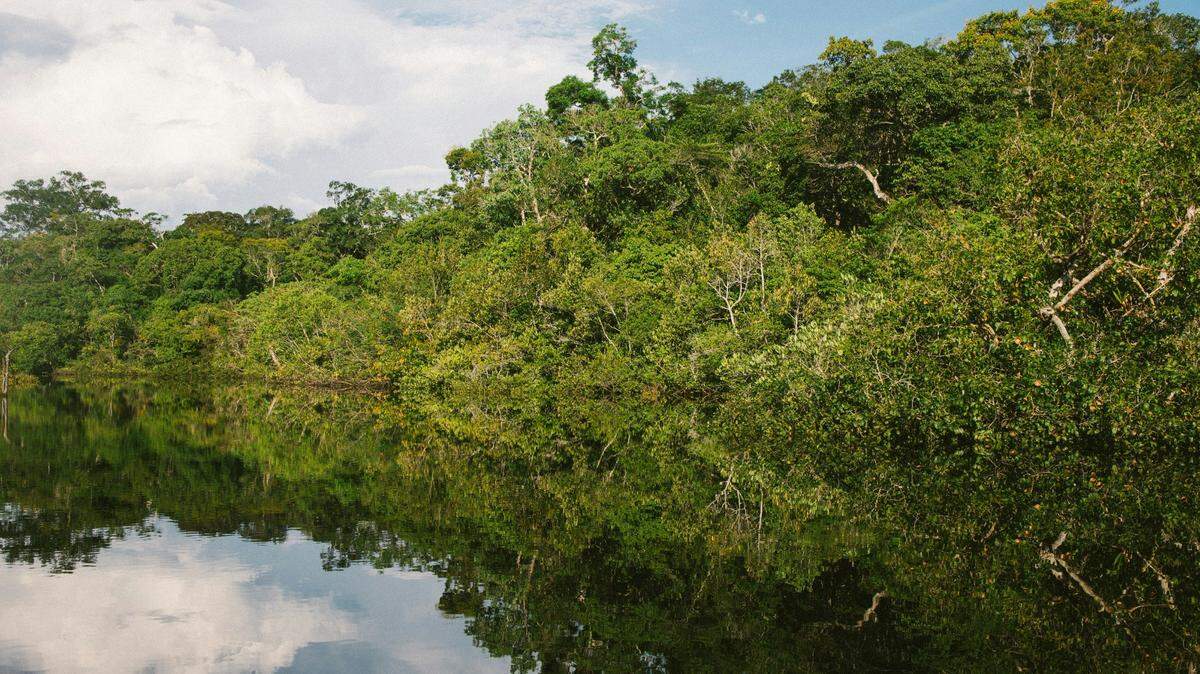
Deep in the Amazon Basin of Bolivia, Gallo-Cardozo and a group of researchers found a clear water lagoon in the rainforest.
Swimming in the lagoon was a piranha, but it looked just a bit different.
“The first thing that caught our attention was the color of the anal and caudal fins and the shape of the snout,” Gallo-Cardozo said. “These were the first characteristics that were observed in the individuals and later went on to more in-depth analysis.”
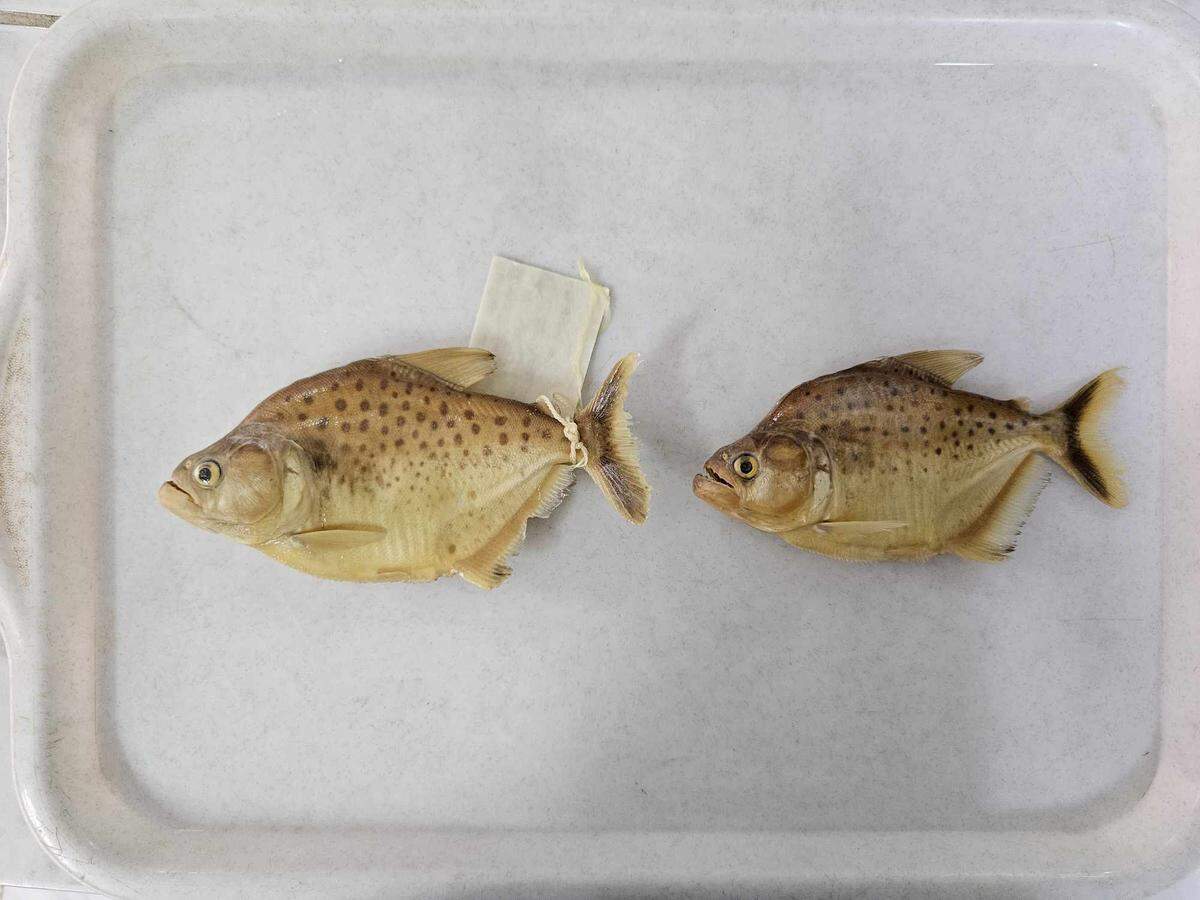
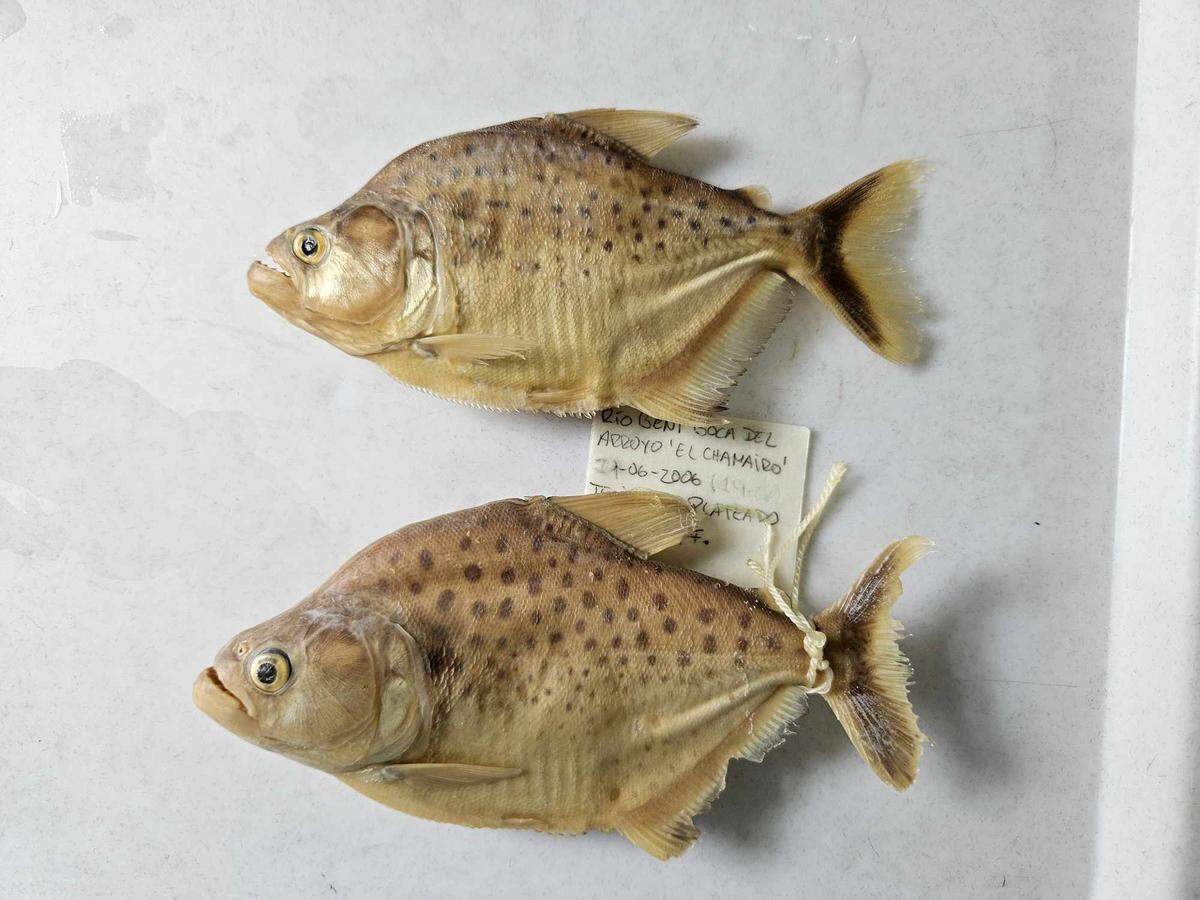
The researchers compared the fish to existing collections from natural history museums around the country, including a total of 153 specimens, Gallo-Cardozo said.
Nearly 30 specimens didn’t completely match, and the researchers knew they had found a new species. They published their findings in the Journal of Ichthyology on March 27.
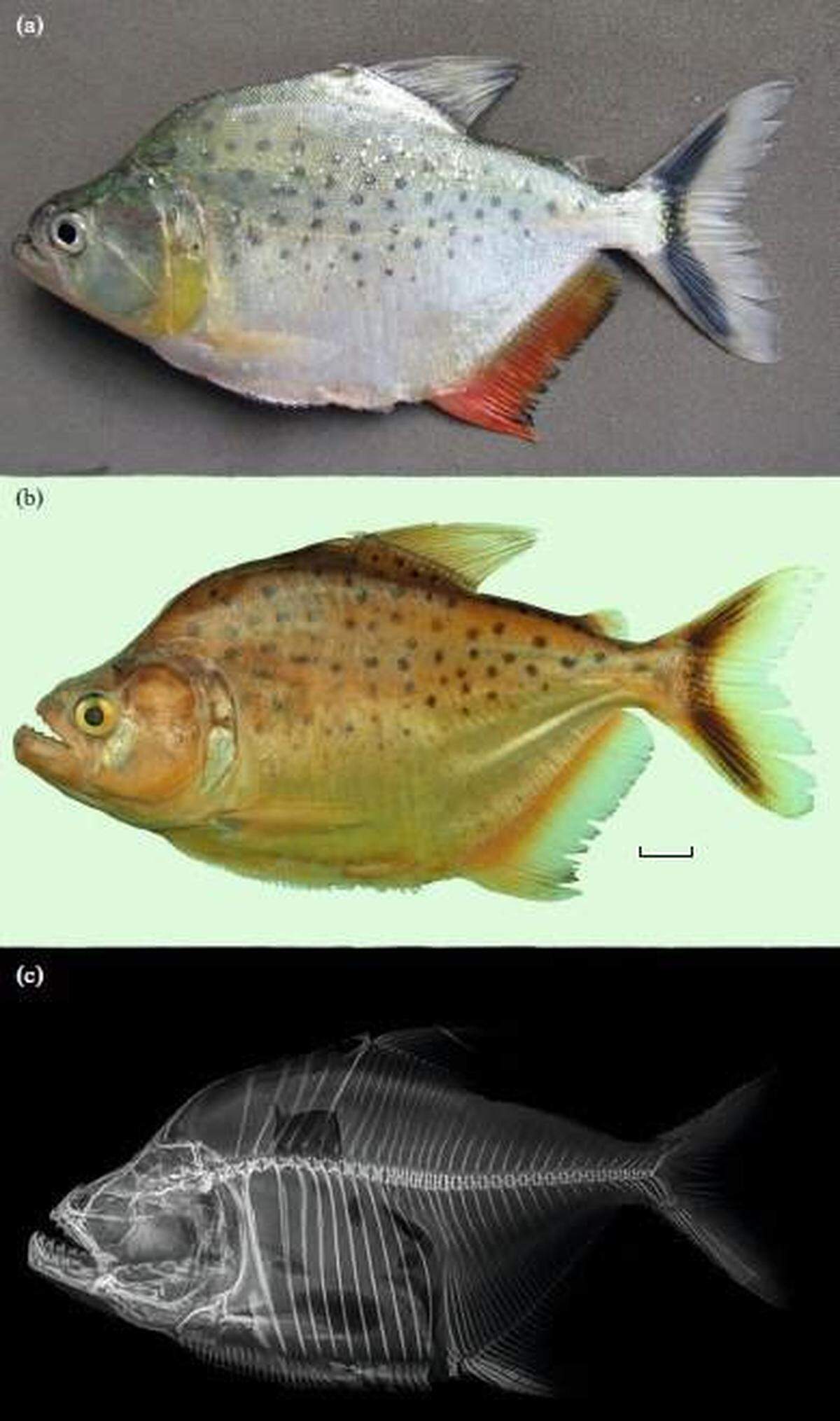
The new species, Serrasalmus magallanesi, was named after late ichthyologist Frank Magallanes for his “collaboration” with piranha “fans,” particularly online, according to the study.
The species has darker fins than previously seen on other piranha species, according to the study, and has an “oblique or elongate snout,” compared to the more blunt shape already known.
“The most interesting thing about the new species is that it is a piranha, which is a misunderstood fish with a bad reputation, which generates fear in many people,” Gallo-Cardozo said. “(It) shows that although it seems that we know a group of fish well, it turns out there (was) a new species of fish we did not know about.”
Piranhas, most notably the red-bellied piranhas, are known for their razor-sharp teeth and ability to strip flesh quickly and efficiently, according to the Smithsonian’s National Zoo.
They live in schools of 20 or more, and feed primarily on tails of larger fish, smaller fish, insects, invertebrates and occasionally plant material, the zoo says.
Gallo-Cardozo said there is still a lot to learn about the new species, “but finally, with a lot of effort, that child’s dream was achieved.”
This story was originally published April 2, 2024 at 1:48 PM with the headline "Aquatic predator — with ‘bad reputation’ — discovered in Bolivia. It’s a new species."