
Trove of artifacts — including cannonballs and coins — found at French island fort
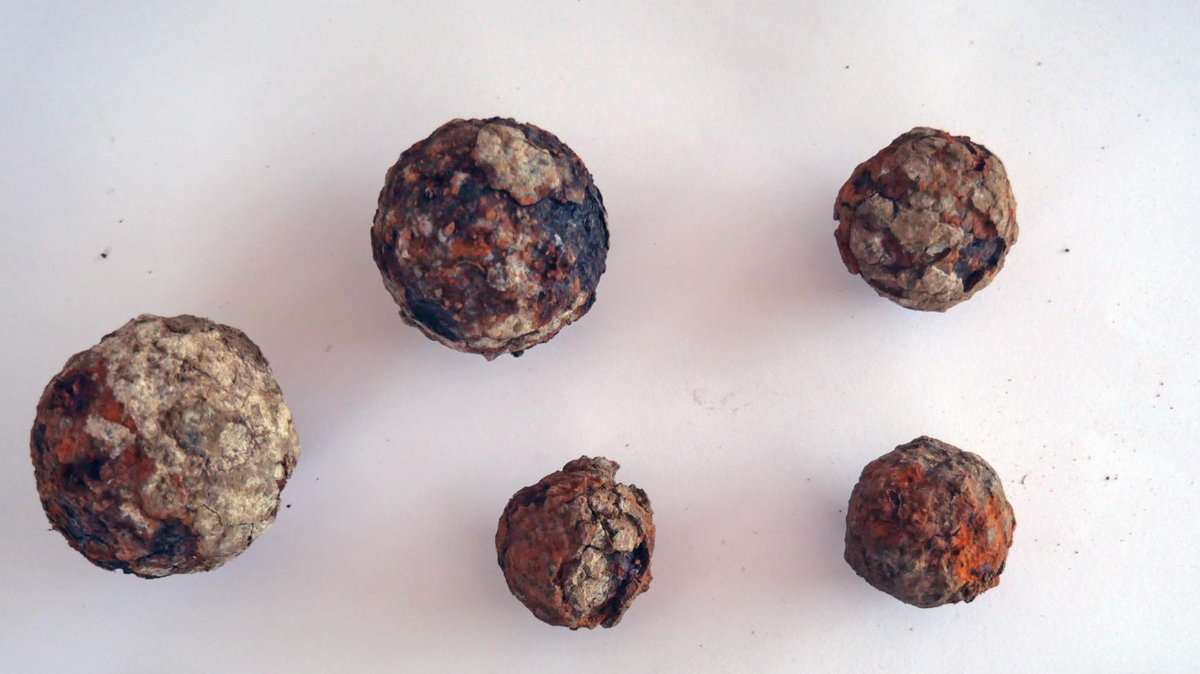
A trove of artifacts — including cannonballs and coins — were recently found among the ruins of a centuries-old fort on a Caribbean island.
The discoveries were made during an archaeological excavation of Fort Gustav, a historic military outpost perched atop a hill on Saint Barthelemy.
Constructed during the late 18th century, the fort was occupied at various times by the French and Swedish militaries.
Among the artifacts unearthed were a collection of cast iron cannonballs, according to an April 18 news release from France’s National Institute for Preventive Archaeological Research (INRAP).
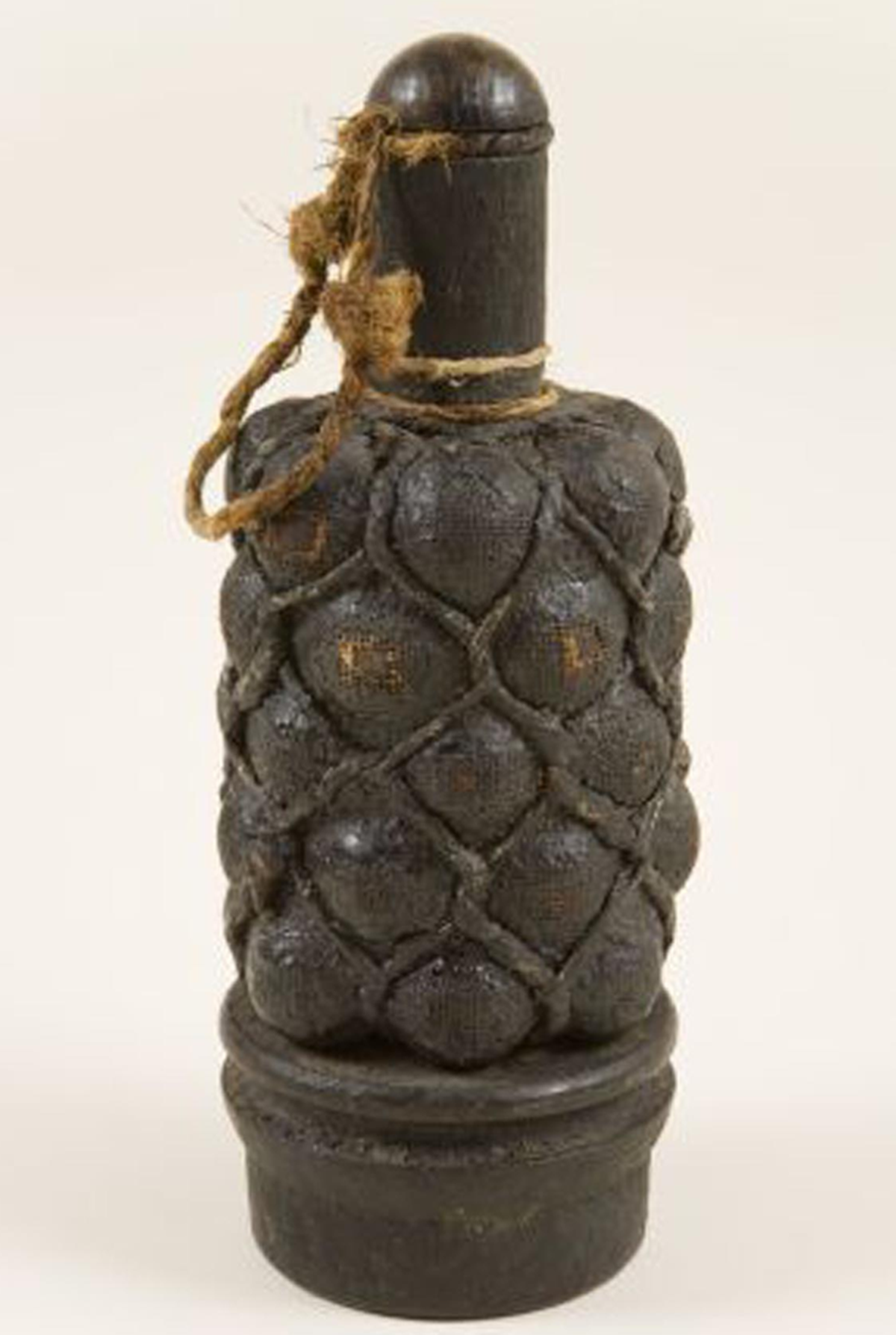
The rounds would have been packed together in a canvas bag and fired from a cannon. Known as a grapeshot, this style of ammunition could have been used to devastating effect on enemy ships.
Napoleon Bonaparte famously used the weapons on a crowd of rebels in Paris in 1795, ordering his men to give them “a whiff of grapeshot.”
An entire round of grapeshot was also uncovered, complete with a rope still fastened around it, photos show.
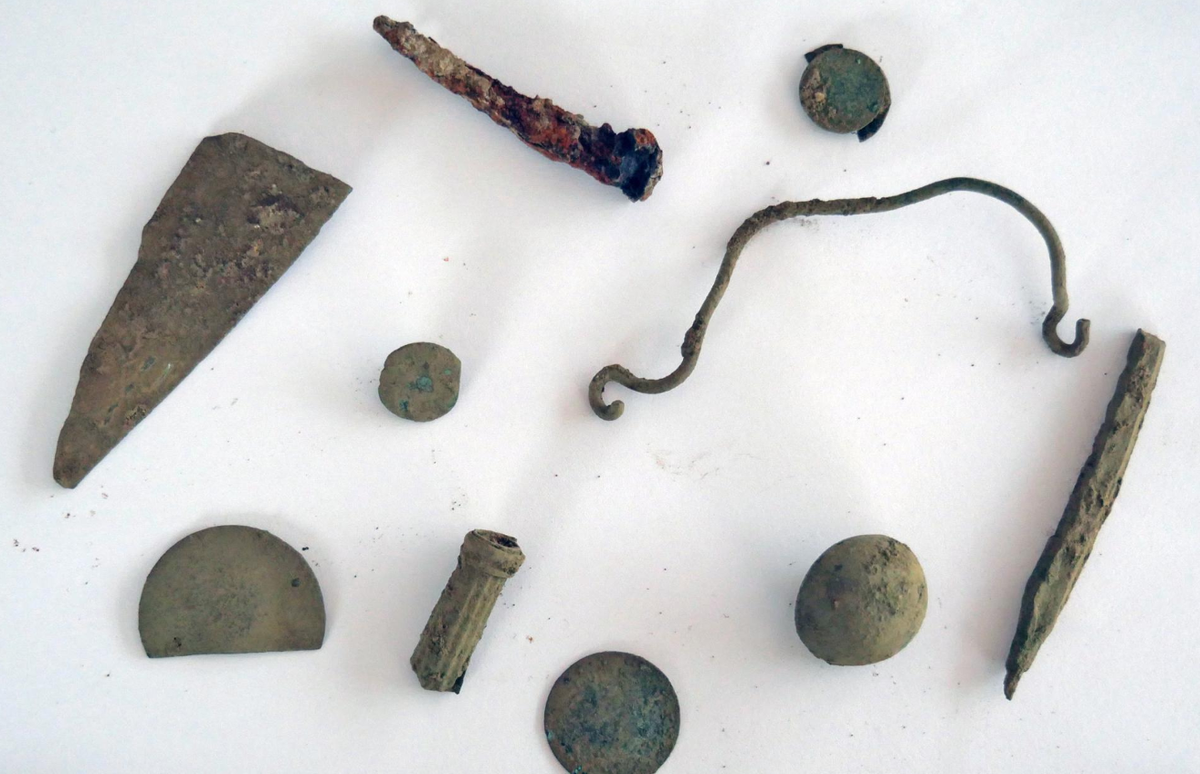
In addition, the excavation, which involved metal detectors, uncovered various metal objects, including a horseshoe, nails, a handle and coins.
A damaged porcelain bust and elements of military uniforms were also unearthed.
History of Saint Barthelemy
The island of Saint Barthelemy was first occupied by French colonists in the 17th century.
Situated about 250 miles east of Puerto Rico, it was considered an ideal location to establish a military outpost to protect ships en route to Europe from pirates and privateers. And in 1769, the French began construction on a hilltop battery that overlooked a nearby port.
Less than two decades later, the French government traded the island to the Swedish government in exchange for trading rights in Gothenburg, a city in southern Sweden. The Swedes then built Fort Gustav and defended it with dozens of soldiers and cannons.
Occupied by merchants and slaves, the island facilitated a large amount of trade, particularly after the War of 1812, according to Oxford University.
But, after the island’s economy eventually contracted, it was returned to the French in 1878.
Today, the island, also known as St. Barts, is a French collectivity home to around 7,000 people. Its wide beaches make it a popular tourist destination.
Google Translate was used to translate a news release from INRAP.
This story was originally published April 18, 2024 at 5:56 PM with the headline "Trove of artifacts — including cannonballs and coins — found at French island fort."