‘Giant’ cave creature — with teeth and claws — found in Australia. See the new species
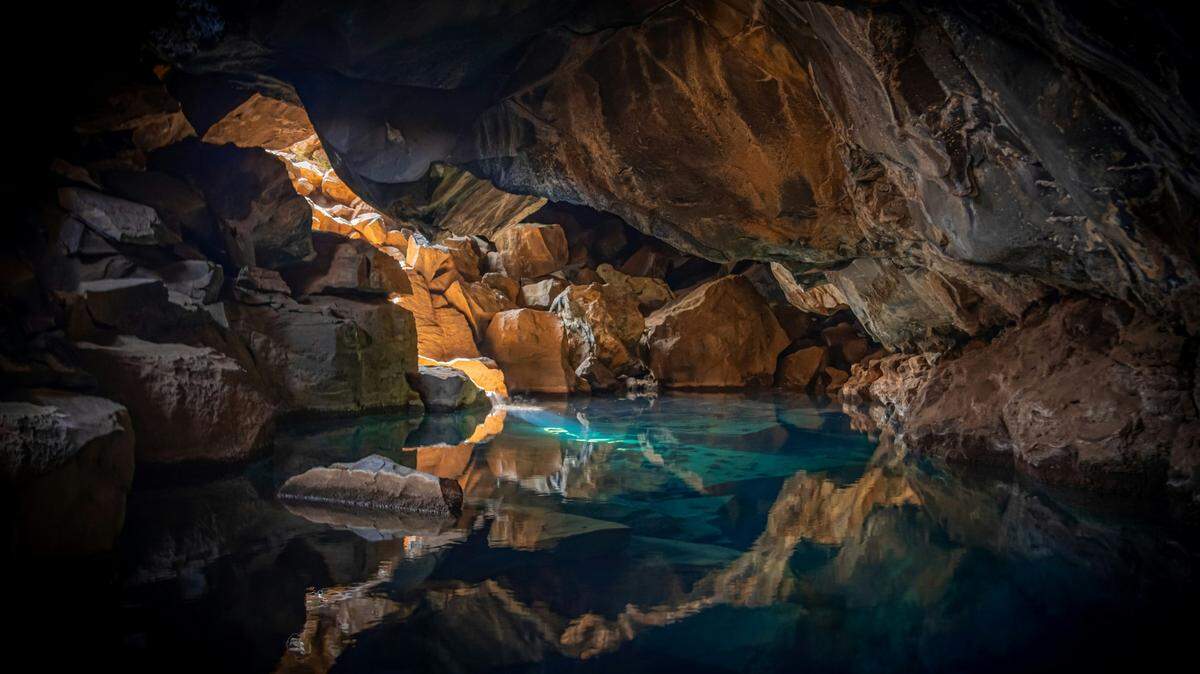
In the Northern Territory of Australia, large karst fields spread across the horizon.
Karst, a soft stone, allows water to mold and weather the landscape, creating pools and rivers in caverns and caves.
Totem Pole Cave is one of these karst constructions and is filled with small puddles of water.
When researchers took a closer look at the “clear water” just a few inches deep, they saw it was filled with tiny organisms.
At least 80 translucent creatures were swimming around in the water — and they belong to a new species.
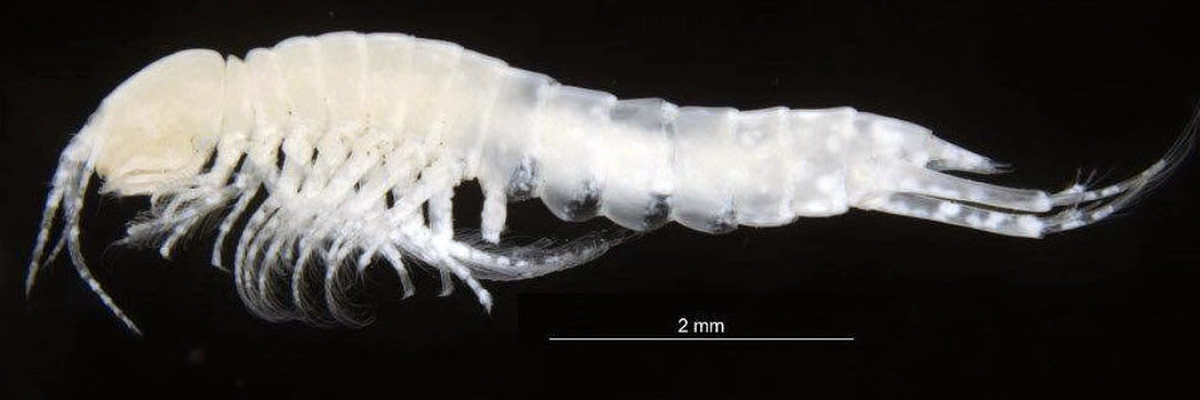
Megabathynella totemensis, or the Totem Pole Cave giant bathynellacea, is a type of crustacean that looks similar to a shrimp but is just a few millimeters long, according to a study published in the European Journal of Taxonomy on May 22.
Its body is made up of segmented parts, and it has “protruding” teeth and “well-developed” claws, according to the study.
“The new genus has numerous claws, … up to 11, and only some species of billibathynella come close, with 10 claws, but the most common state is seven claws,” according to the study.
The nearly 6 millimeter long body has “enlarged” spines along the inside wall of the thorax, or middle section, researchers said.
“Here, we consider species larger than 4 mm to be ‘giant’ and those of 2.5-4 mm to be ‘large,’” according to the study.
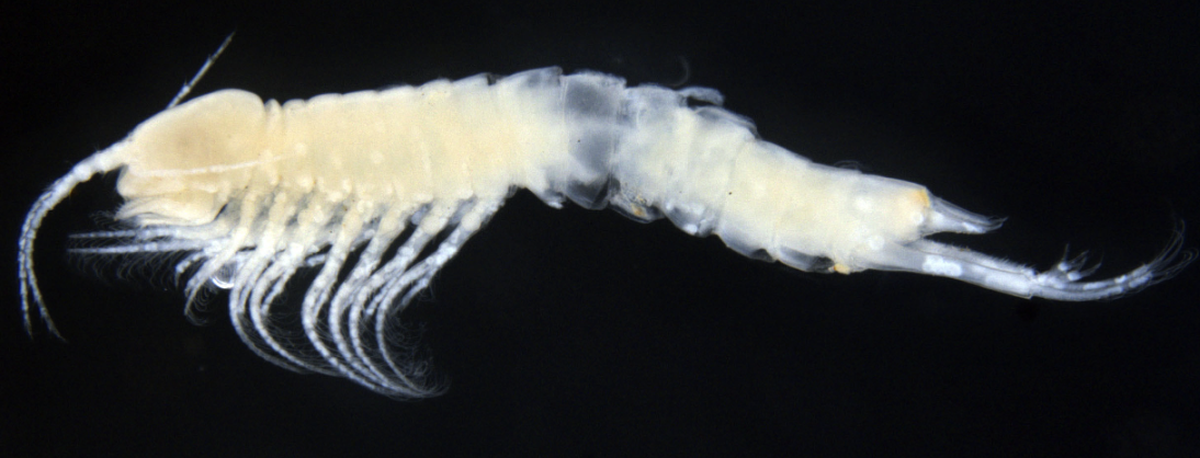
The “unusually large” size of the new species contributes to its name and sets it apart from other known species.
The genus, Megabathynella, comes from the Greek word μέγας, meaning big, and the species, totemensis, refers to the cave it calls home.
“As new species continue to be discovered and described in Australia and around the world, it is interesting to observe that large and giant species (of bathynellacea) occur on every continent,” researchers said. “It is likely that numerous new species will be discovered in these and other countries with further survey of prospective habitats, as is the case in Australia. Future studies could explore the factors that lead to this unusually large size and proliferation of articles and setae observed.”
Totem Pole Cave is in the Pungalina karst area, a zone along the Gulf of Carpentaria on the northern coast of Australia.
This story was originally published May 23, 2024 at 5:50 PM with the headline "‘Giant’ cave creature — with teeth and claws — found in Australia. See the new species."