Pond creature — with ‘heart-shaped’ mark — found at park in China. It’s a new species
At a park in southern China, an aquatic creature with a “heart-shaped” marking swam in a pond. The scaly animal was hiding in plain sight.
When scientists finally noticed it, it turned out to be a new species.
Researchers visited the park in Yunnan province in November 2023 to survey wildlife, according to a study published June 11 in the peer-reviewed journal Zoosystematics and Evolution.
During the visit, researchers caught 13 unfamiliar-looking fish from the pond, the study said. They took a closer look and realized they’d discovered a new species: Yunnanilus polylepis, or the densely scaled Yunnan loach.
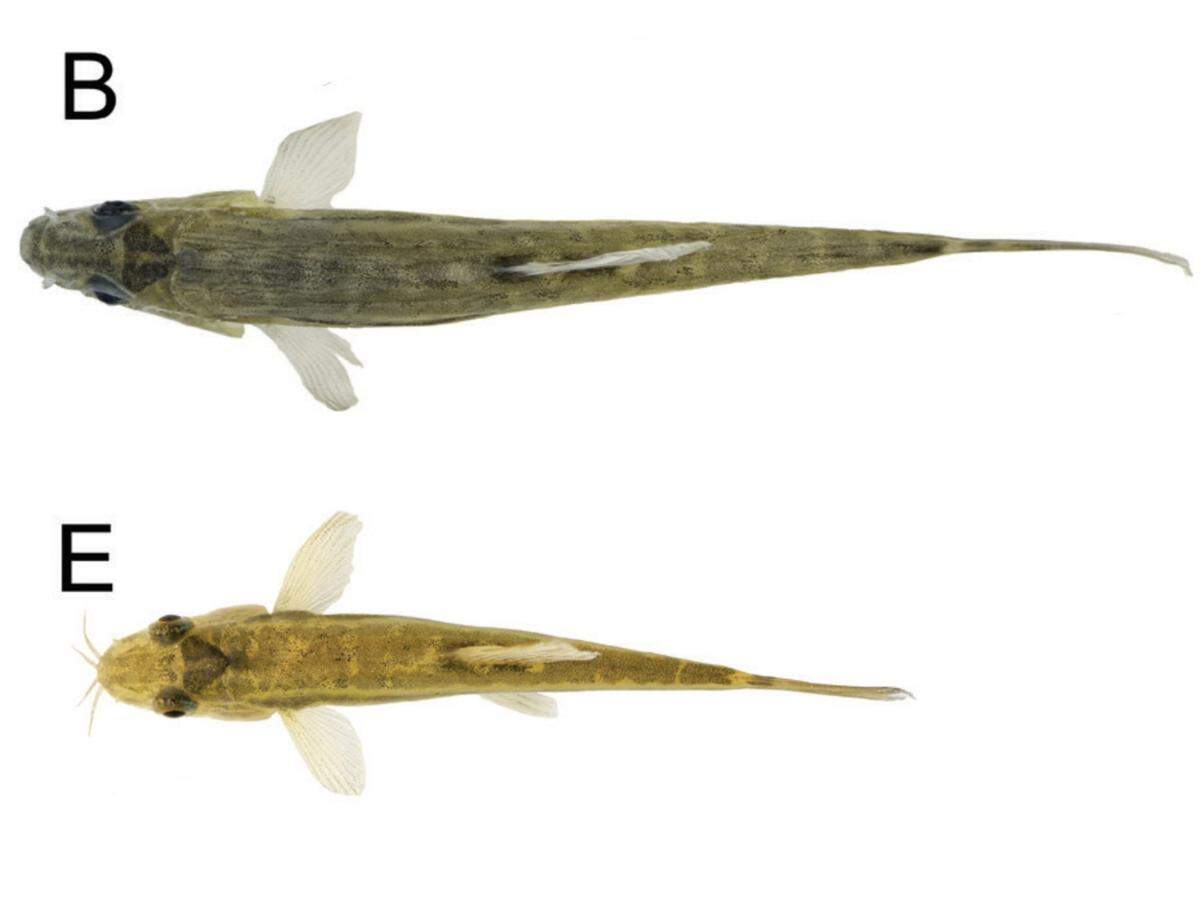
Densely scaled Yunnan loaches measure just over 2 inches in length, the study said. Their bodies are covered in scales and bumps. Three pairs of whisker-like barbels hang from their mouths.
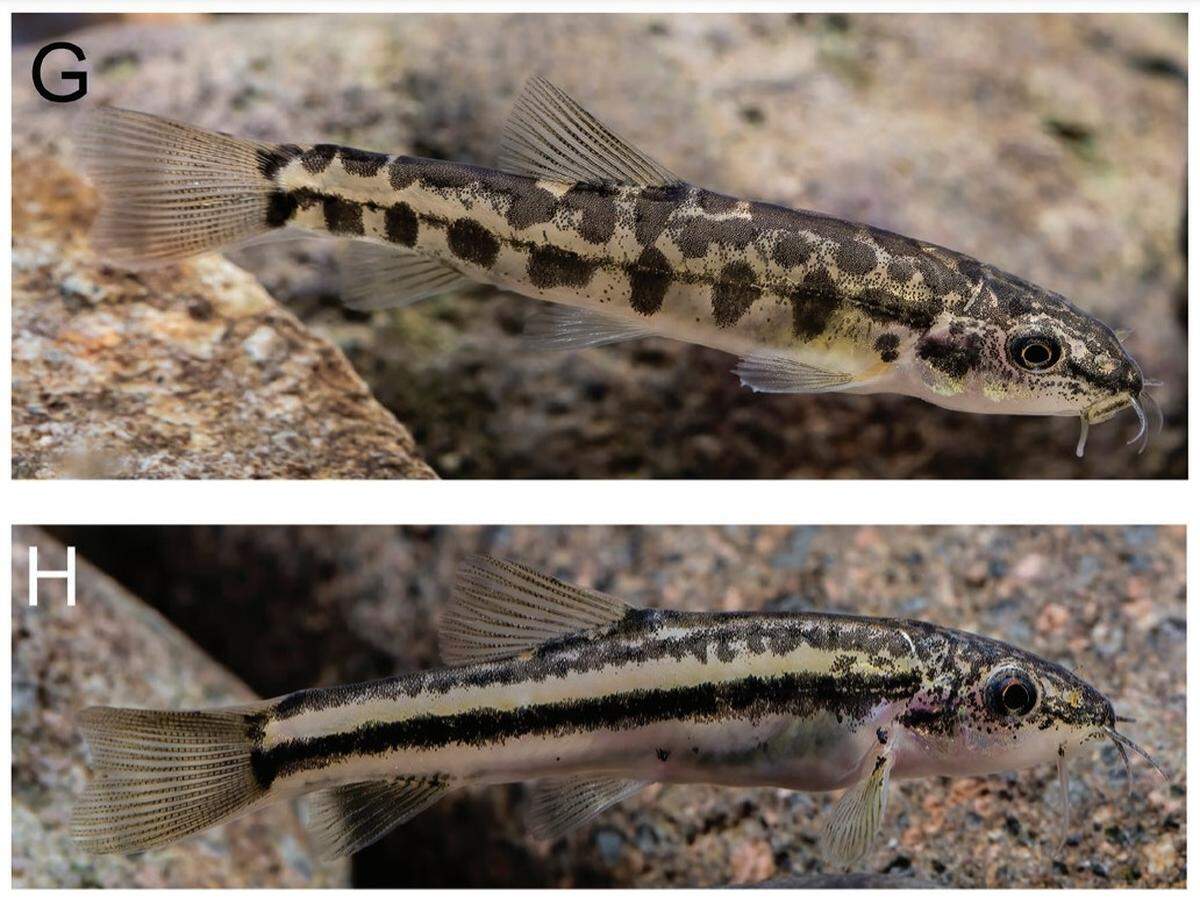
Photos show the gray-brown coloring of a densely scaled Yunnan loach. On top of their heads, the fish have a brown “heart-shaped” mark, researchers said and photos show. Other dark brown blotches dot the rest of their bodies.
Researchers said they named the new species “polylepis” because it’s “entirely covered by scales.”
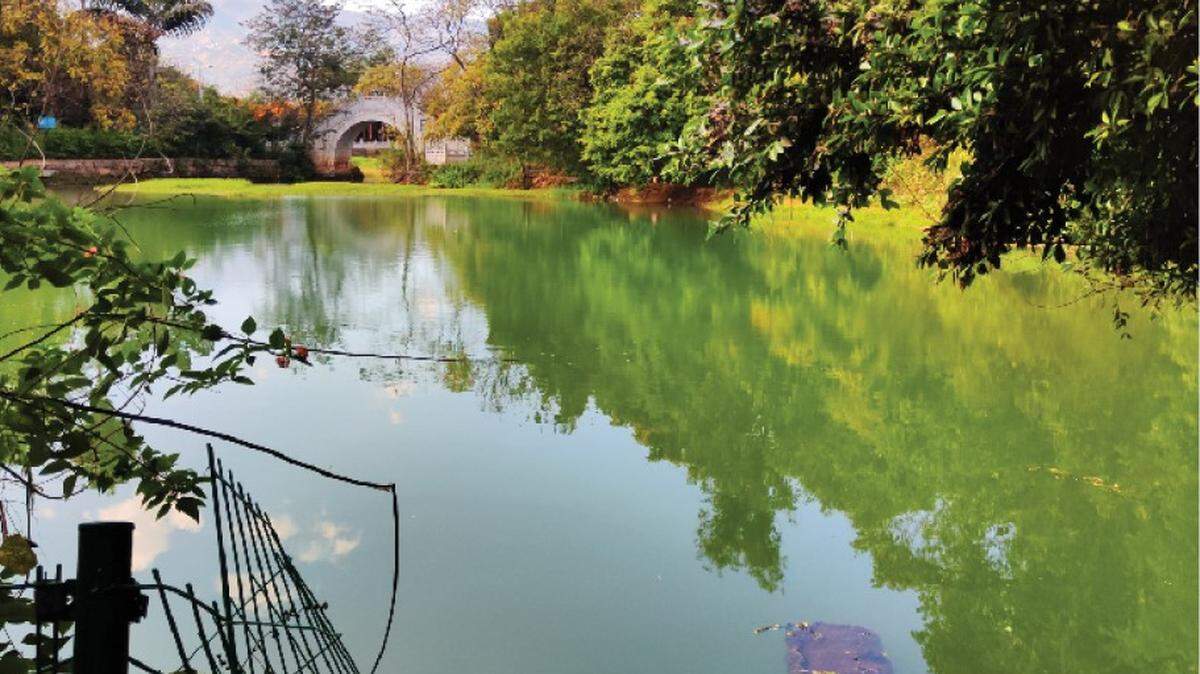
Densely scaled Yunnan loaches were found in a “deep pool” at an urban park, the study said. A photo shows the pool’s murky green water.
So far, the new species has only been found at a park in Panxi Town, Yunnan, the study said. Yunnan province is in southern China, a roughly 1,700-mile drive southwest of Beijing and along the border with Laos, Myanmar and Vietnam.
“Despite its confined distribution, the population of (the new species) remains stable, largely due to the enforcement of a fishing ban within the park,” researchers said.
The new species was identified by its DNA, scales, gills, eyes and other subtle physical features, the study said.
The research team included Zhi-Xian Qin, Wei-han Shao, Li-Na Du and Zhen-Xing Wang.
This story was originally published June 12, 2024 at 2:08 PM with the headline "Pond creature — with ‘heart-shaped’ mark — found at park in China. It’s a new species."