Long sea creature — with ‘large, pointed’ teeth — found off Brazil. It’s a new species

The muddy sea floor along the coast of eastern Brazil may appear barren and lifeless.
But buried in the squishy sediment is a long, wriggly creature — and a new species.
“The Moringuidae is a family of burrowing eels that inhabit tropical oceans worldwide with the apparent exception of the eastern Atlantic,” researchers said in an Aug. 2 study published in the journal Zootaxa.
Both genera of the family, Neoconger and Moringua, spend nearly their entire lives buried, according to the study, the former in mud and the latter in sand.
Divers and researchers spend little time looking through “barren muddy habitats,” researchers said, so additional species of the burrowing eels are rarely found.
Now, with the help of genetic testing, researchers have found that one specimen collected 167 years ago is actually an entirely different species.
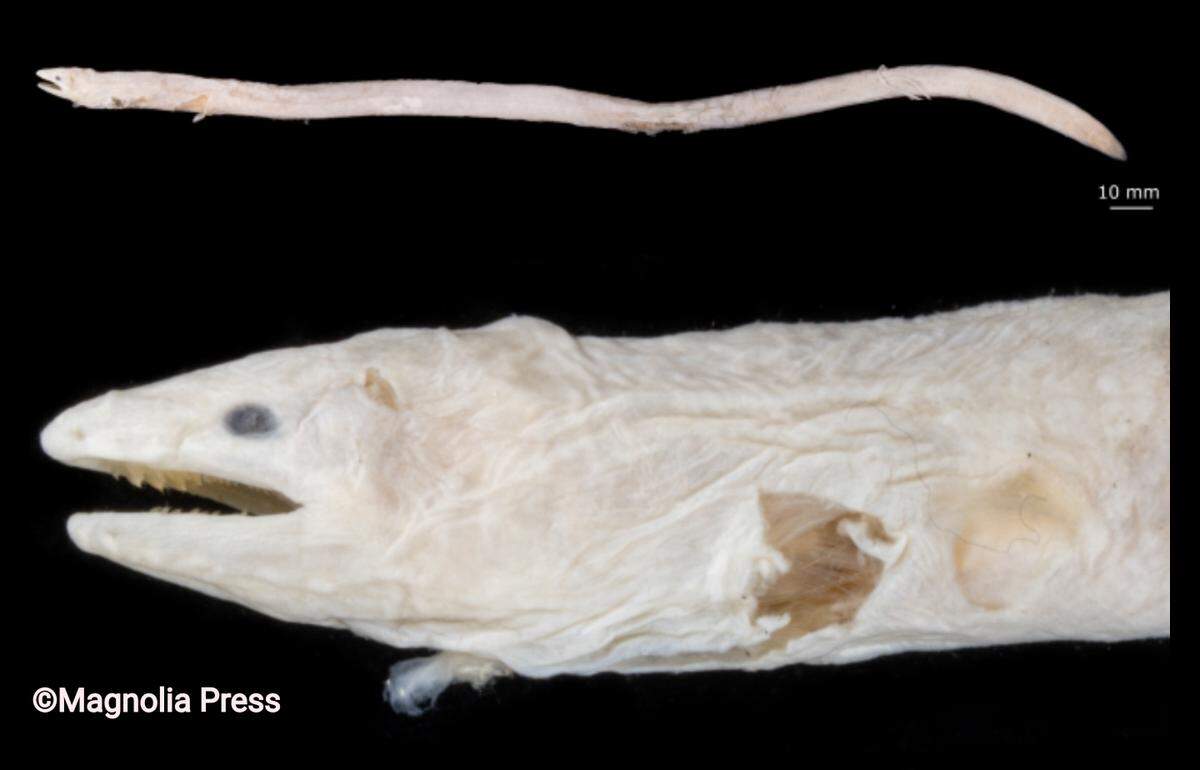
Neoconger hygomi, named after the Danish ship captain Vilhelm Hygom known for collected oceanographic material, was caught off the coast of Brazil in 1857, according to the study.
About 10 inches long, the species has more predorsal vertebrae than any other species, researchers said, and appears light gray in color after a century and a half of preservation.
The species has “one row of rather large, pointed, recurved teeth,” and an upper jaw slightly extended over its bottom jaw, according to the study.
The eyes of the eel are “small” and “covered by transparent skin,” and sit near the front of a cylindrical body and head, researchers said.
All Neoconger species have been found in relatively shallow environments, less than 700 feet in depth, according to the study.
“All evidence suggests that juvenile and pre-spawning adult Neoconger spend most of their time buried in the sediment and come out only for a brief time to feed and spawn,” researchers said. “Unlike Moringua, Neoconger prefers mud rather than sand. This may explain the relative rarity of specimens in collections. Their fossorial habits would render them largely inaccessible to trawl nets.”
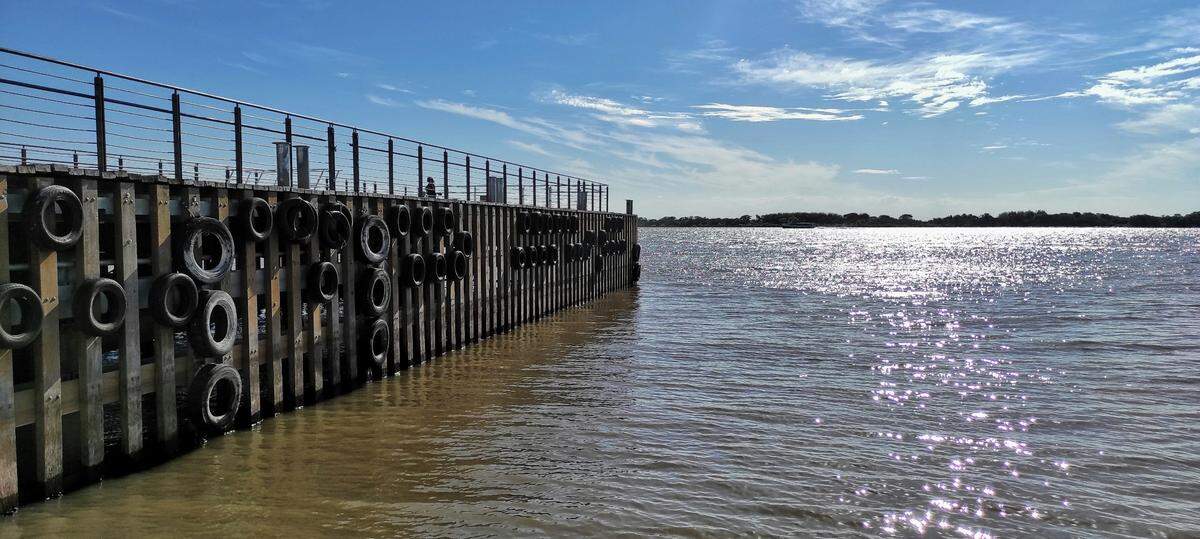
The exact collection site of the Neoconger hygomi was not recorded, but the museum record shows it was found near Cotinguiba, Brazil, a “small river that empties into the larger Sergipe River some (9 miles) from the Atlantic Ocean,” according to the study.
This story was originally published August 6, 2024 at 1:33 PM with the headline "Long sea creature — with ‘large, pointed’ teeth — found off Brazil. It’s a new species."