Hidden corridor beneath Warsaw held ancient artifacts — and secret place for Masons
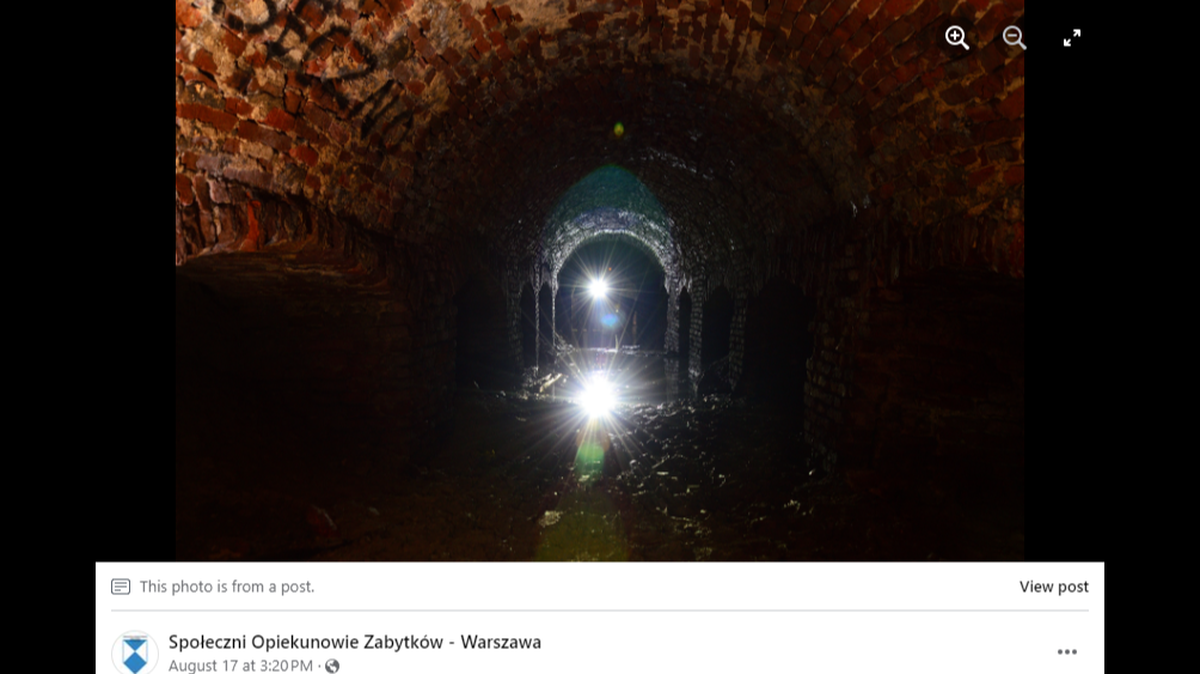
Born from the stonemasons and cathedral builders of the Middle Ages, the Free and Accepted Masons hold a reputation somewhere between a fraternity and a secret society.
The Freemasons have survived centuries, and now up to 6 million men around the globe consider themselves members of the “oath-bound society,” according to Britannica.
Now, archaeologists believe that a hidden corridor under the city of Warsaw may have been a secret meeting place for a Polish order — and the members’ final resting place.
In 2021, researchers and archaeologists used a 3D scanner to look under the surface of Gucin Gaju, an area around the former Wilanów palace, according to an Aug. 15 news release from the Ministry of Science and Higher Education and an Aug. 17 Facebook post from the Office of the Metropolitan Conservatory of Monuments in Warsaw.
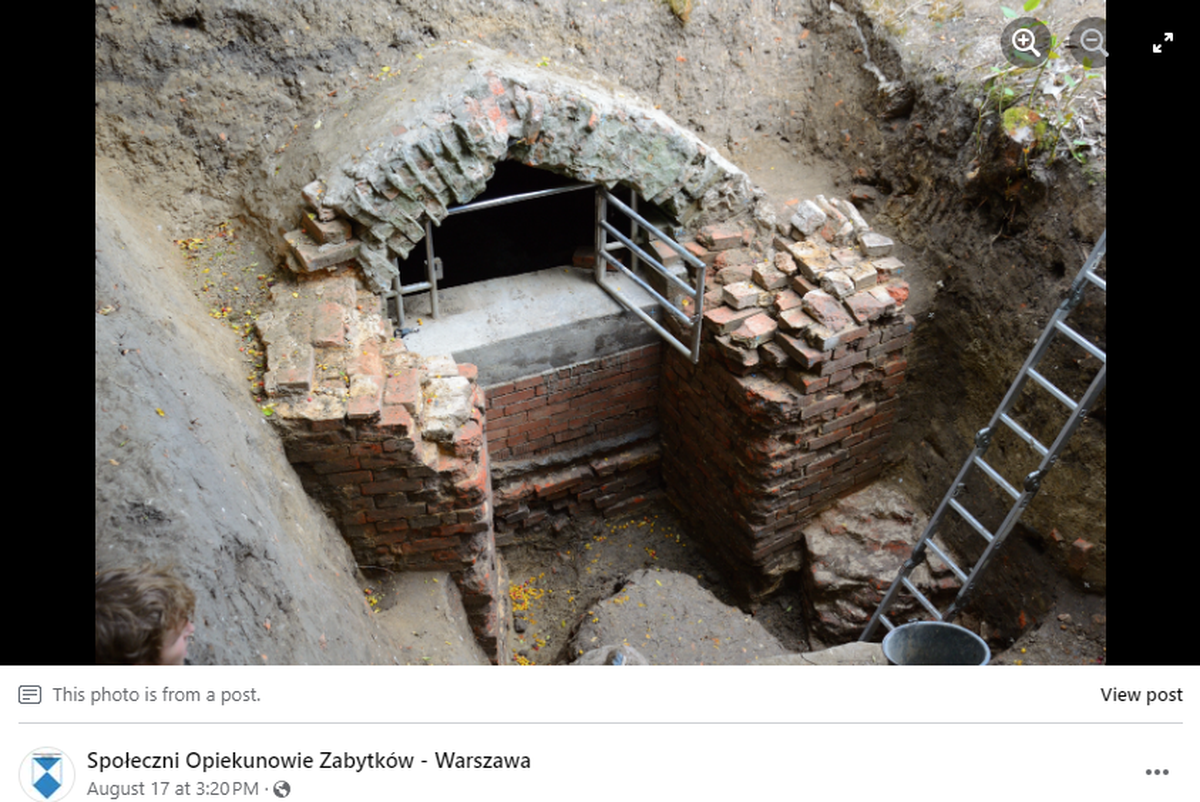
The scan showed a roughly 200-foot domed corridor that led from a walled entrance toward St. Catherine’s Church and the old palace site, researchers said.
The entrance structure was likely used as a cistern to collect water and supply it to the castle that was being built during the 17th century, according to the release. The space was later renovated during the 19th century, researchers said.
Recent excavations around the entrance and into the space have revealed coins from the 17th century and artifacts that researchers said date to the early Middle Ages.
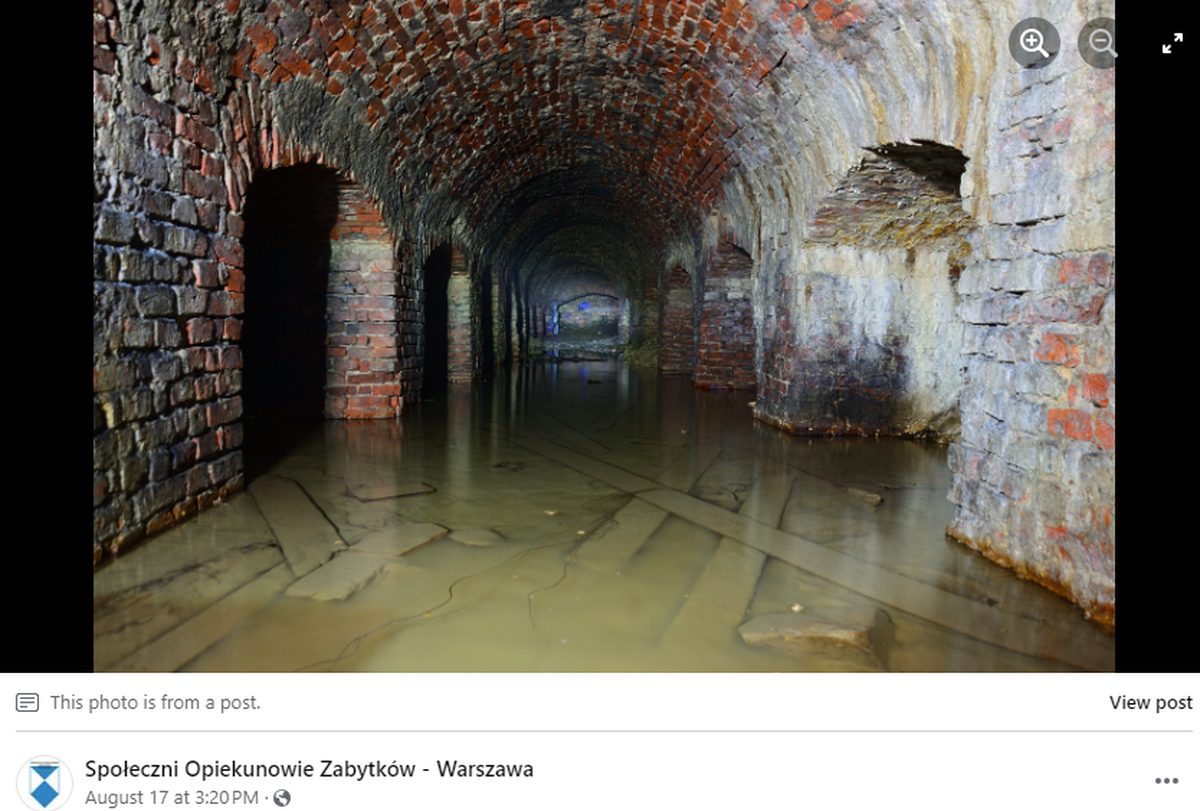
In writings from a court architect of the king, he said they were planning a space for an icehouse and ongoing construction for a water intake. The architect wrote that the king himself had tried the water from nearby resources and thought it was good enough to water the palace gardens, according to the release.
Later, at the beginning of the 1800s, the area was acquired by Stanisław Kostka Potocki, a politician and a Freemason, according to the Museum of King Jan III’s Palace in Wilanów.
Under the corridor’s new owner, researchers believe it started to be used as a secret meeting place for the Freemasons of Warsaw.
More than 40 niches were built into the corridor walls, changing the appearance to more closely resemble catacombs, and word spread of the “Masonic graves” present there, according to the release.
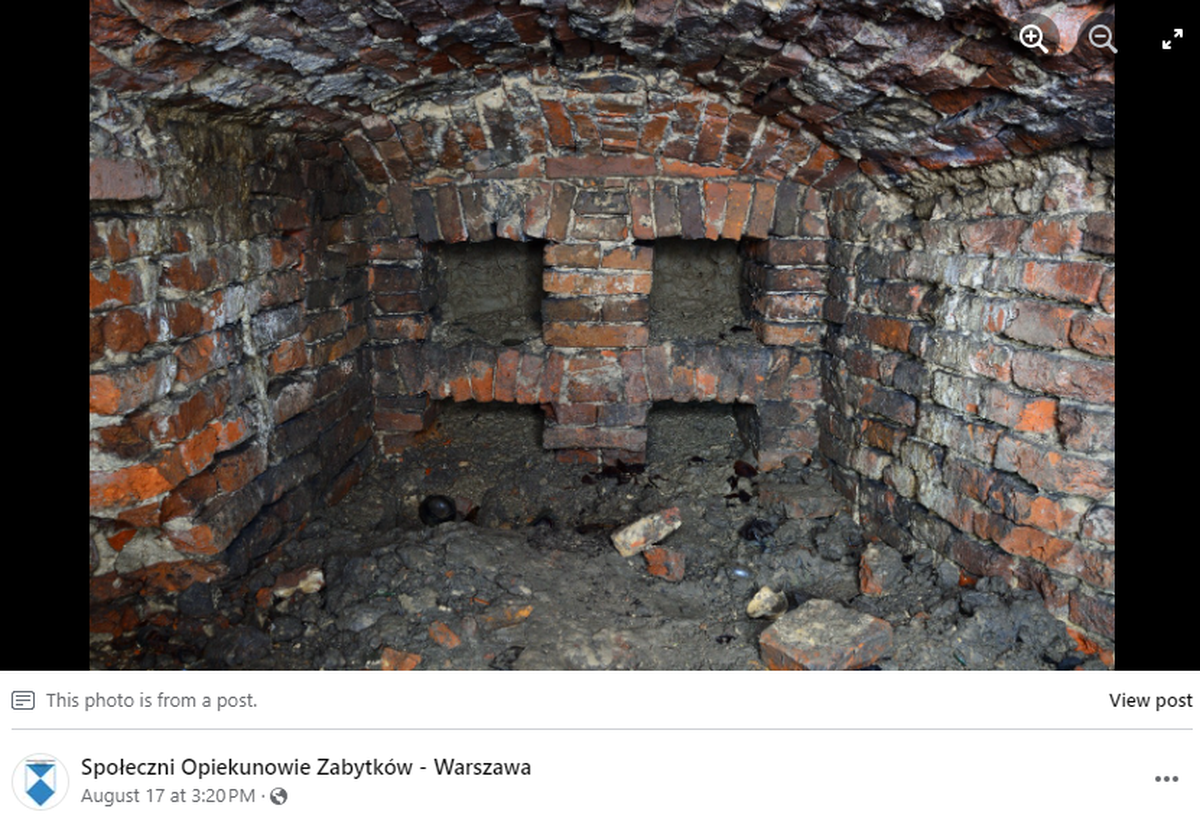
Mention of the “graves” in historical texts are present as recently as 1989, even after the corridor was used as a shelter during the second world war, researchers said.
While the artifacts within and connection to the famous society help researchers understand the history of the site better, they are still unsure exactly when and why the corridor was built.
The site is part of the Wilanowski Cultural Park in southeastern Warsaw, located in central Poland.
This story was originally published August 19, 2024 at 5:18 PM with the headline "Hidden corridor beneath Warsaw held ancient artifacts — and secret place for Masons."