College students help unearth 1,000-year-old home of elite family in Mexico. See it
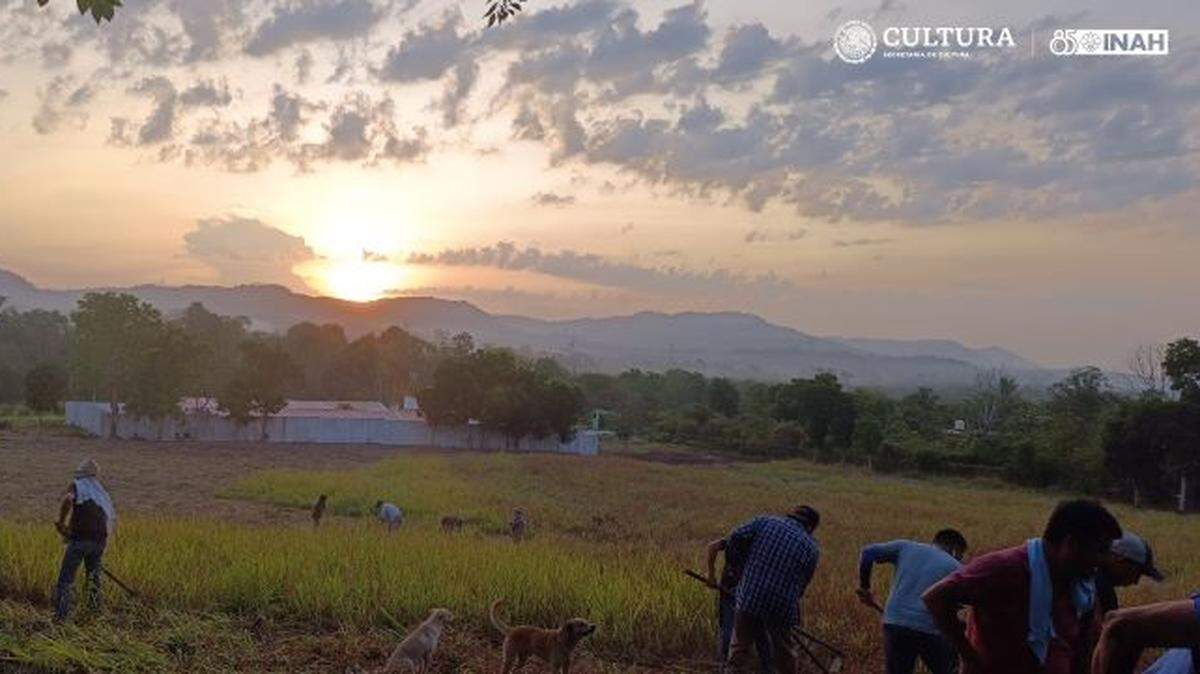
In the city of Papantla, Mexico, community members donated a plot of land to be the new state headquarters for the University for Well-being Benito Juárez García.
Now, students of that university are helping to make ancient discoveries.
Excavations of the 8.5-acre plot began earlier in the summer, and on July 10, archaeologists unearthed a platform, according to an Aug. 27 news release from the National Institute of Anthropology and History.
On the platform were the remains of monolithic stone walls, archaeologists said, and based on the layout of the walls, the structure was likely a house.
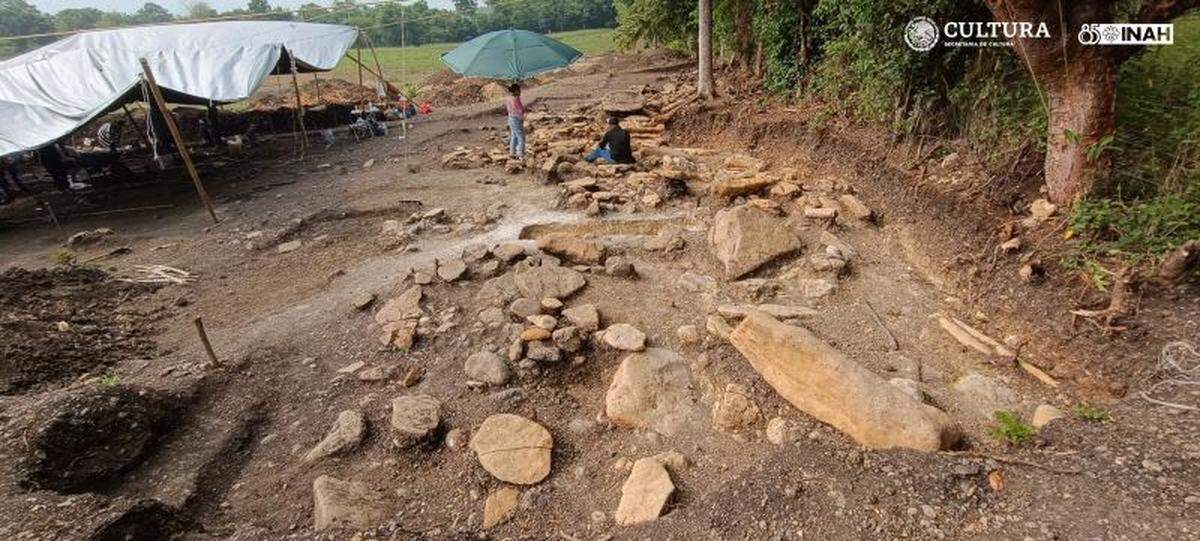
Researchers said the house belonged to an elite family in the community and was built sometime between the end of the Epiclassic period and the beginning of the Mesoamerican Postclassic period, spanning the years 850 and 1200.
Climatic changes during the medieval period caused lots of flooding, archaeologists said, so the large stones were used for homes to prevent water damage. Some of the stones in the wall were more than 3 feet long, and researchers used 3D scanning to get a full view of the structure below ground.
The researchers were joined by 20 University for Well-being Benito Juárez García archaeology students who helped sift through the sediment in search of objects left behind, the institute said.
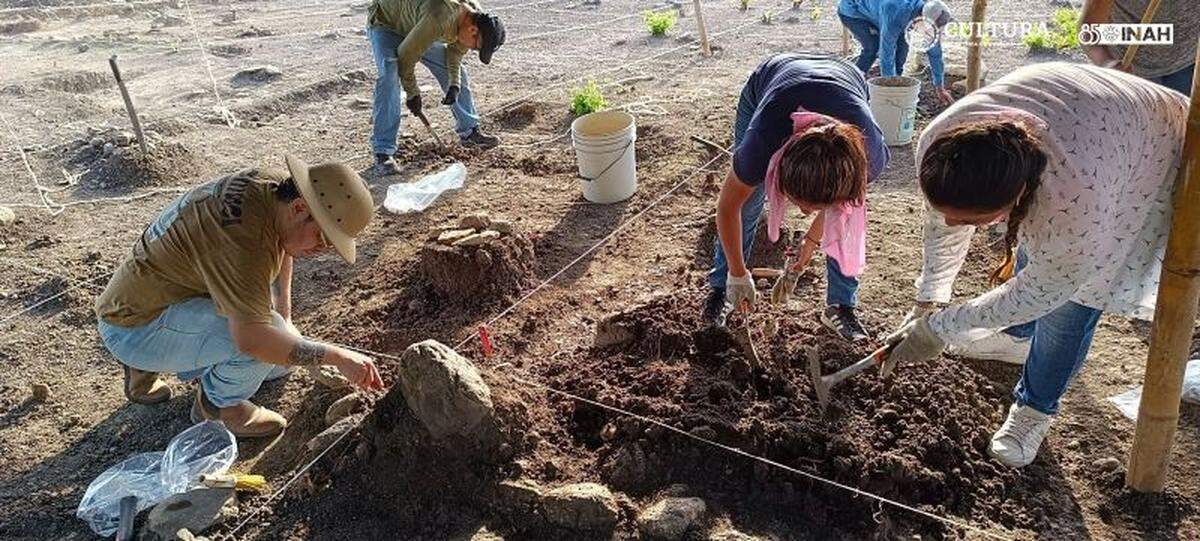
Students were tasked with recording the excavation process, taking photographs of each stage of the project and interviewing community members for their testimony of the site.
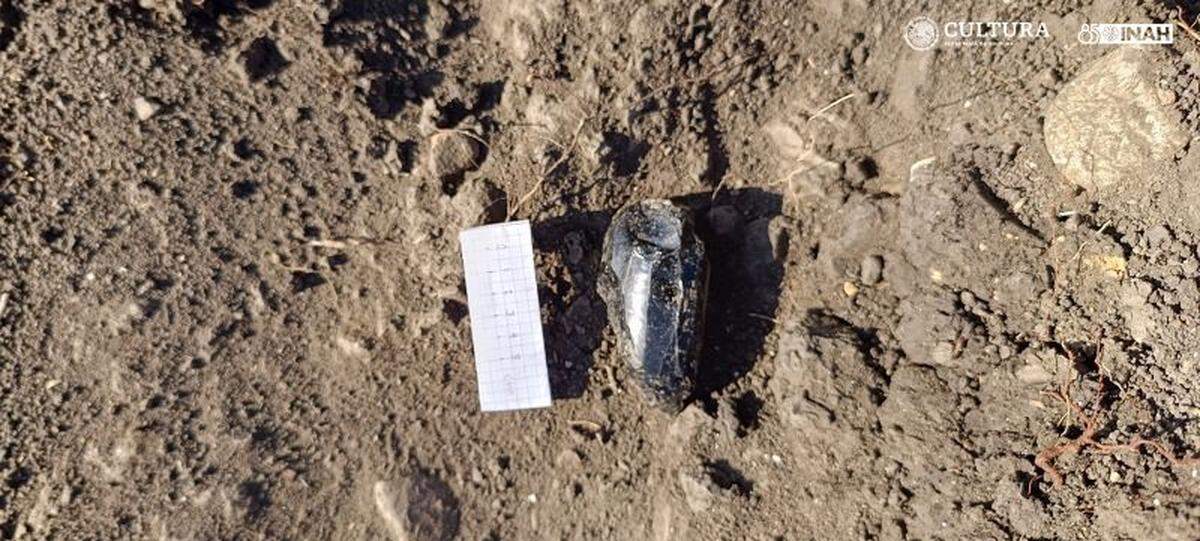
The students worked with the excavation team to discover pieces of golden green obsidian, a variation that is more resistant than black obsidian and was used to make knives and arrowheads by the family, researchers said.
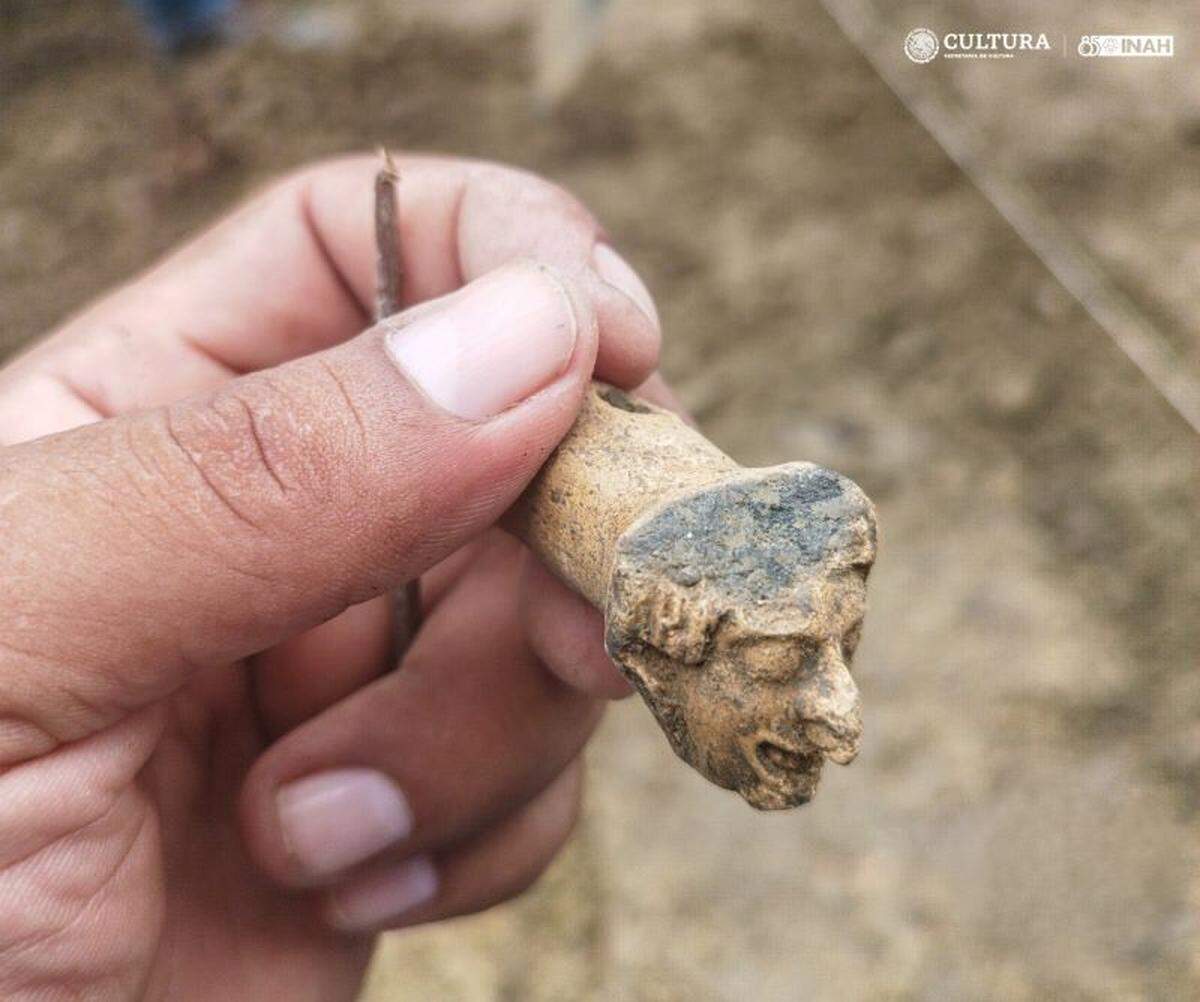
They also found a nearly 5-inch fragment of a Huastec flute with a character wearing a nose ring, the institute said.
Jesús Trejo González, the academic coordinator for the Historical, Cultural and Natural Heritage program at the university said the dig not only helps give students first-hand experience in the field, but it brings together the students and the community as future stewards of the country’s heritage.
Papantla is in east-central Mexico near the coast of the Gulf of Mexico.
Google Translate was used to translate the news release from the National Institute of Anthropology and History.
This story was originally published August 28, 2024 at 1:16 PM with the headline "College students help unearth 1,000-year-old home of elite family in Mexico. See it."