‘Large’-headed creature — with ‘long’ claws — found in burrows. It’s a new species
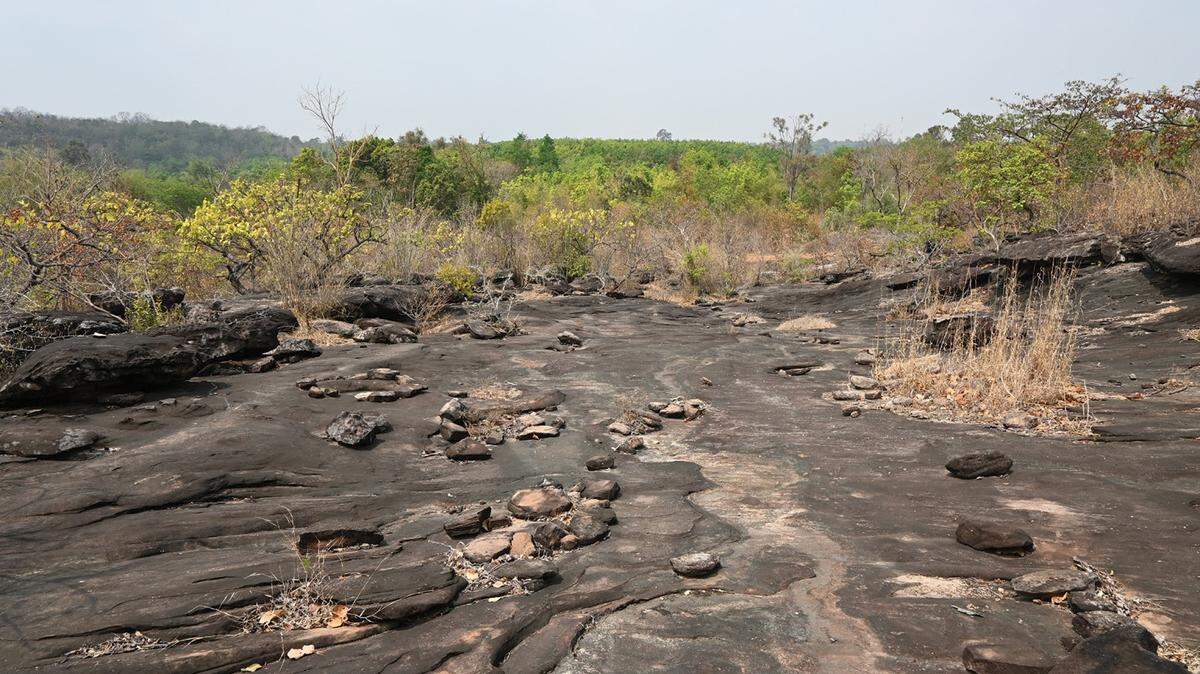
As the sun’s rays beat down on a rocky region of Thailand, a “large”-headed creature emerged from its burrow and set out in search of a meal. Its coloring helped it blend in with the stony surroundings — but not well enough.
Visiting scientists noticed the yellow-spotted animal. It turned out to be a new species.
Researchers ventured into the Khorat Plateau in 2020 and 2023 to survey wildlife, according to a study published Aug. 27 in the peer-reviewed journal ZooKeys. The “unique” area is a biodiversity hotspot.
With the help of a local guide, researchers found several unfamiliar-looking reptiles living in rocky burrows, the study said. They took a closer look at the animals and soon realized they’d discovered a new species: Leiolepis glaurung, or the Khorat Plateau butterfly lizard.
Khorat Plateau butterfly lizards are considered “moderately sized,” their “elongate” bodies reaching just under 7 inches in length, the study said. They have “large” heads, “long” claws and “short” forelimbs.
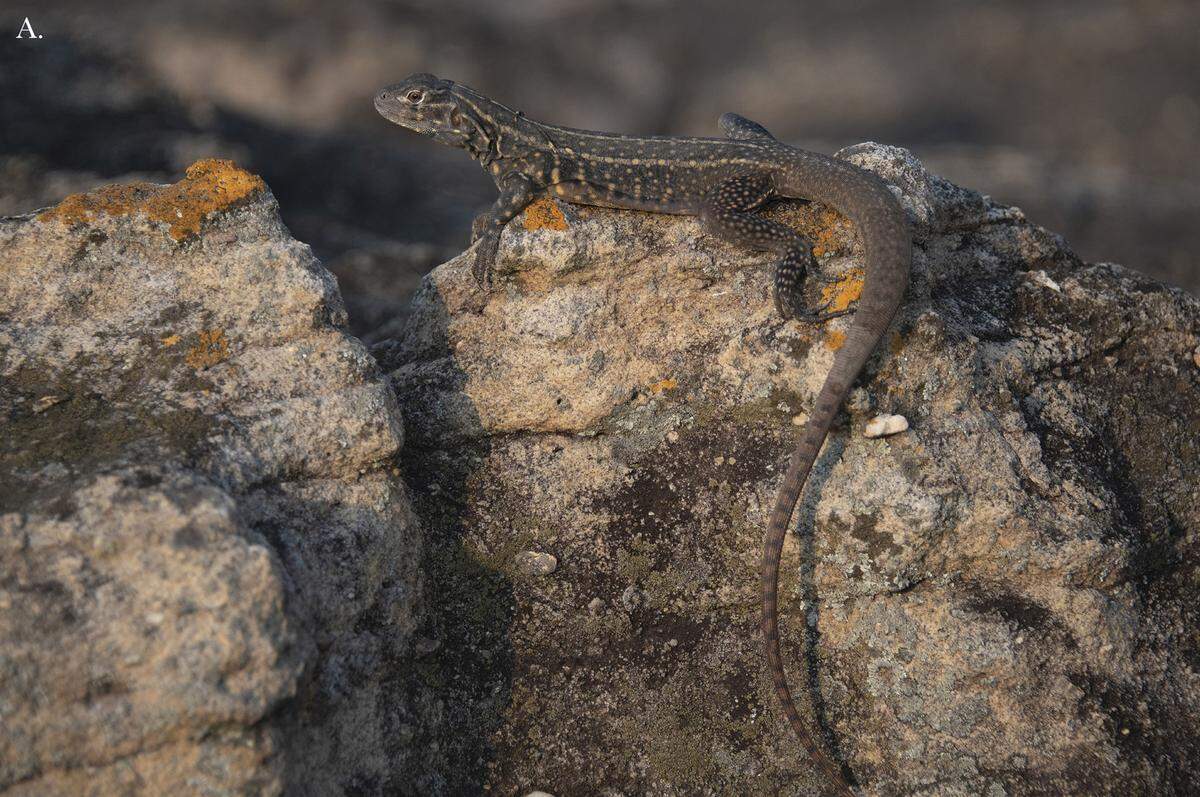
A photo shows the dark gray coloring of the new species. Yellow spots dot its sides, back and legs. The pattern fades away down its relatively long tail.
Male Khorat Plateau butterfly lizards have brighter coloring than females, the study said. Photo shows the yellow-orange hues along the sides of the males.
Unlike other butterfly lizards, the new species has “reduced or lost the ability” to puff out its colorful sides, researchers said. This behavior is typically “used for courting females, warding off rival males, and anti-predator displays.”
Researchers suspected the new species does not have this ability because it lives in rockier habitats and shallower burrows than other butterfly lizards.
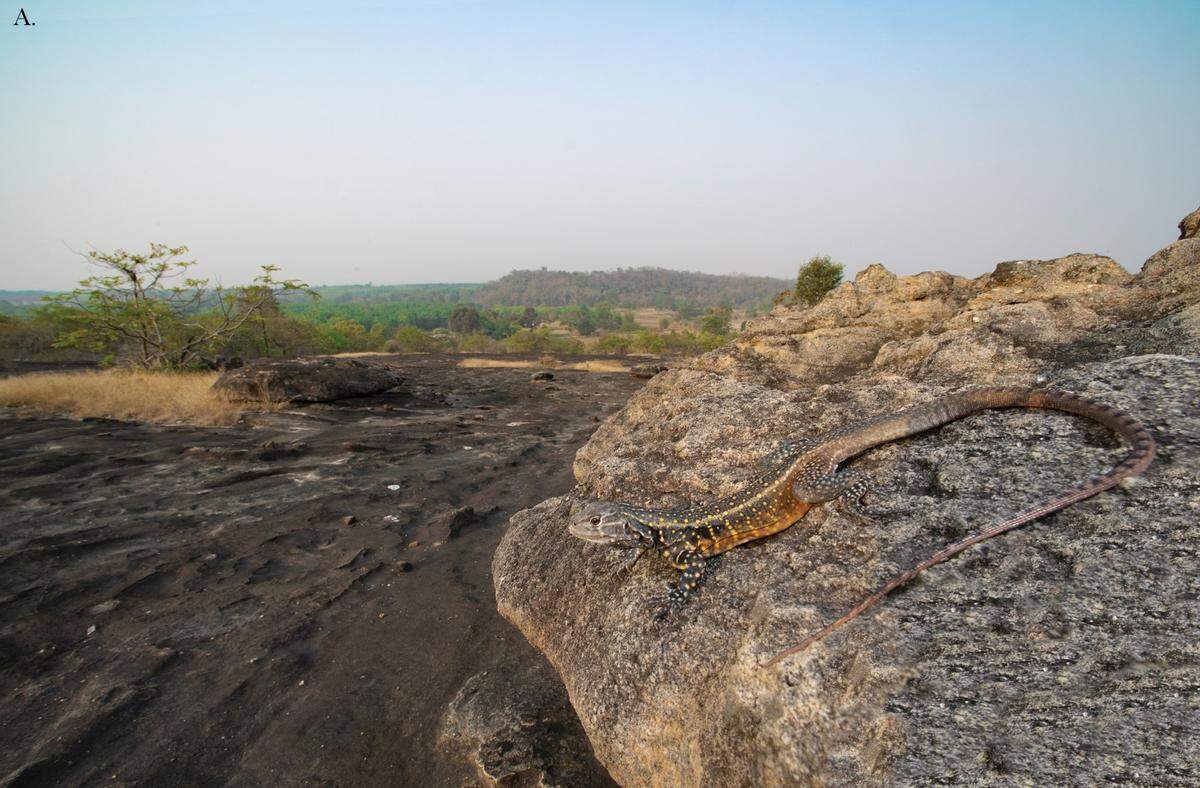
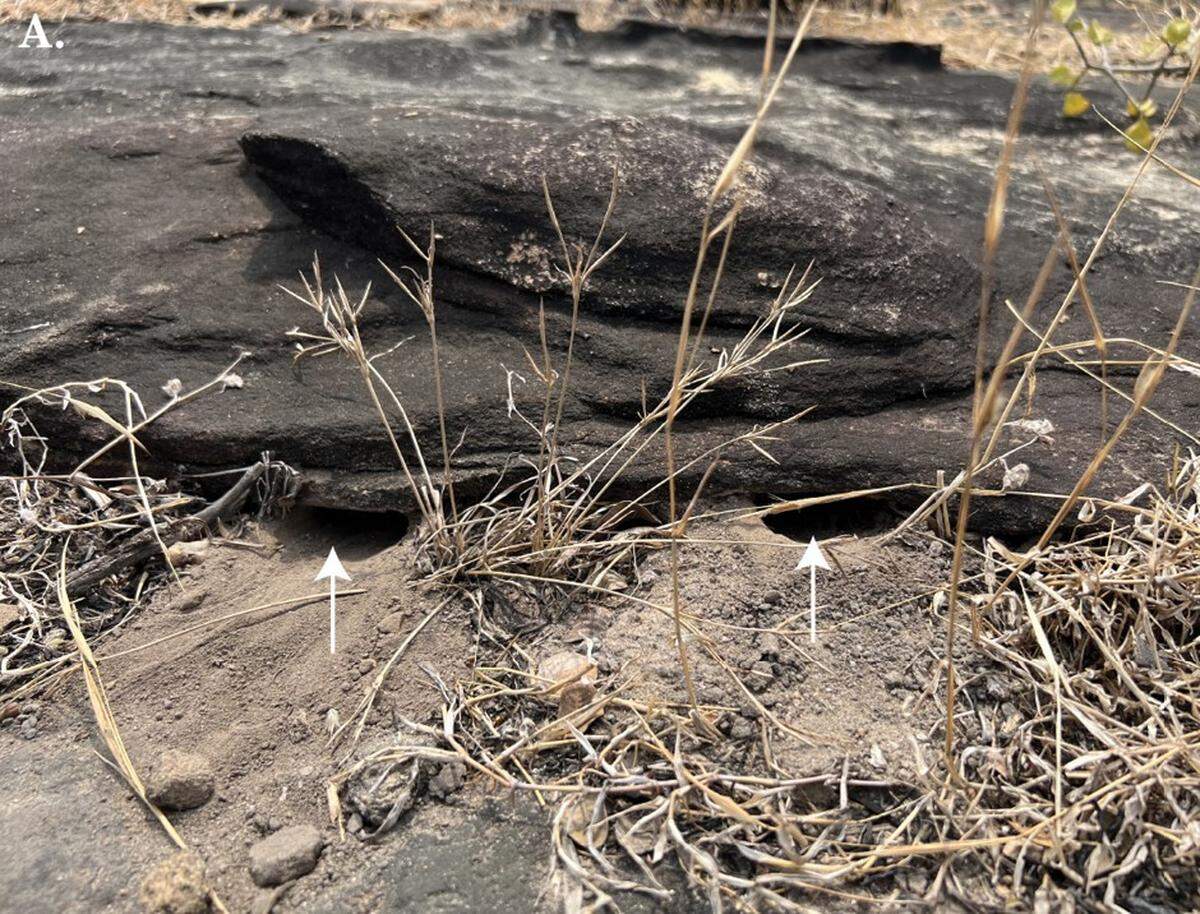
Khorat Plateau butterfly lizards were found perched on rocks or hiding in “subterranean tunnels,” the study said. “Males tend to forage during the hottest part of the day” and likely eat a combination of plants and arthropods.
According to locals, the new species is used as “a food source” and tends to stay near its burrow. “If the burrow is open that means they are out foraging and if the burrow is plugged with soil they are inside,” locals told researchers.
Researchers said they named the new species “glaurung” after a character from J.R.R. Tolkien’s book “The Silmarillion” because of the similarity. In the book, Glaurung is a “large, terrestrial, golden-colored, non-winged dragon” that “tunneled into the sides of mountains forming burrows.”
The new species’ common name refers to the Khorat Plateau where it was first discovered and, so far, the only area where it has been found. This region is in eastern Thailand and a roughly 400-mile drive northeast from Bangkok.
“The fact that a new species of a large diurnal lizard like this can still be discovered on the Khorat Plateau means there are many more discoveries to be made in this area,” co-author Jesse Grismer told McClatchy News in an email.
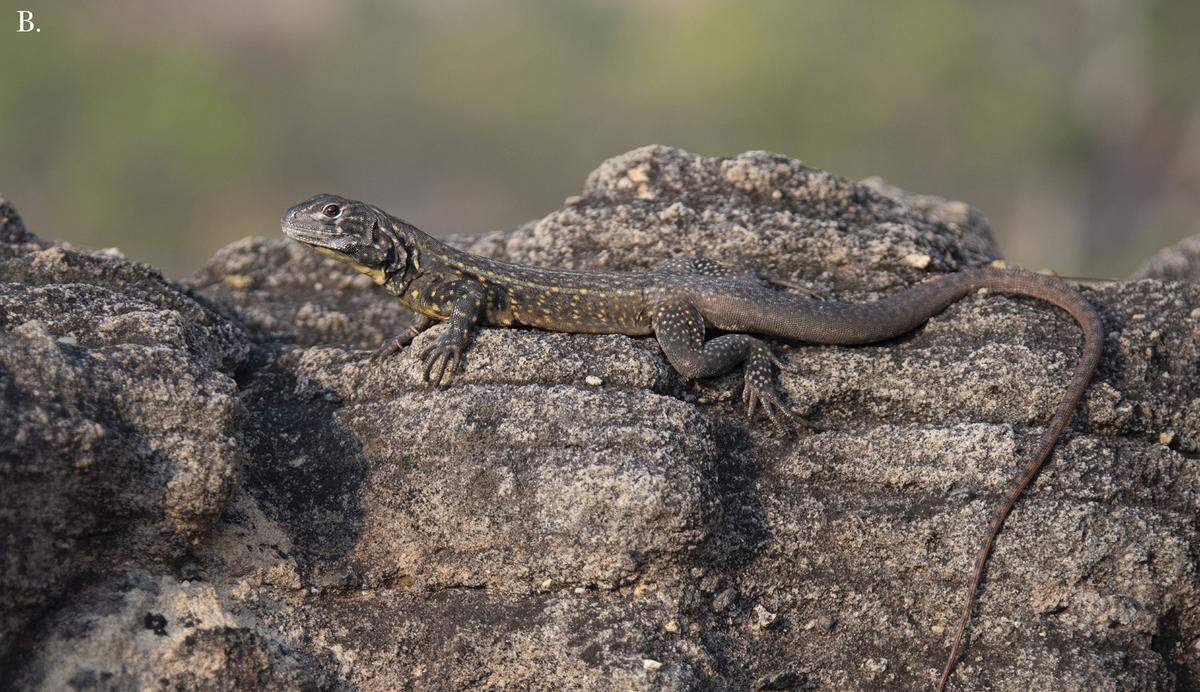
The new species was identified by its coloring, body shape, scale pattern, size, habitat and DNA, the study said.
The research team included Pratyaporn Wanchai, Attapol Rujirawan, Matthew Murdoch, Akrachai Aksornneam, Pattarapon Promnun, Amanda Kaatz, Jeren Gregory, Eddie Nguyen, William Van Iderstein, Evan Quah, L. Lee Grismer, Jesse Grismer and Anchalee Aowphol.
This story was originally published August 28, 2024 at 4:02 PM with the headline "‘Large’-headed creature — with ‘long’ claws — found in burrows. It’s a new species."