Large mound in Germany hid 2,600-year-old burial chamber — until now. Look inside
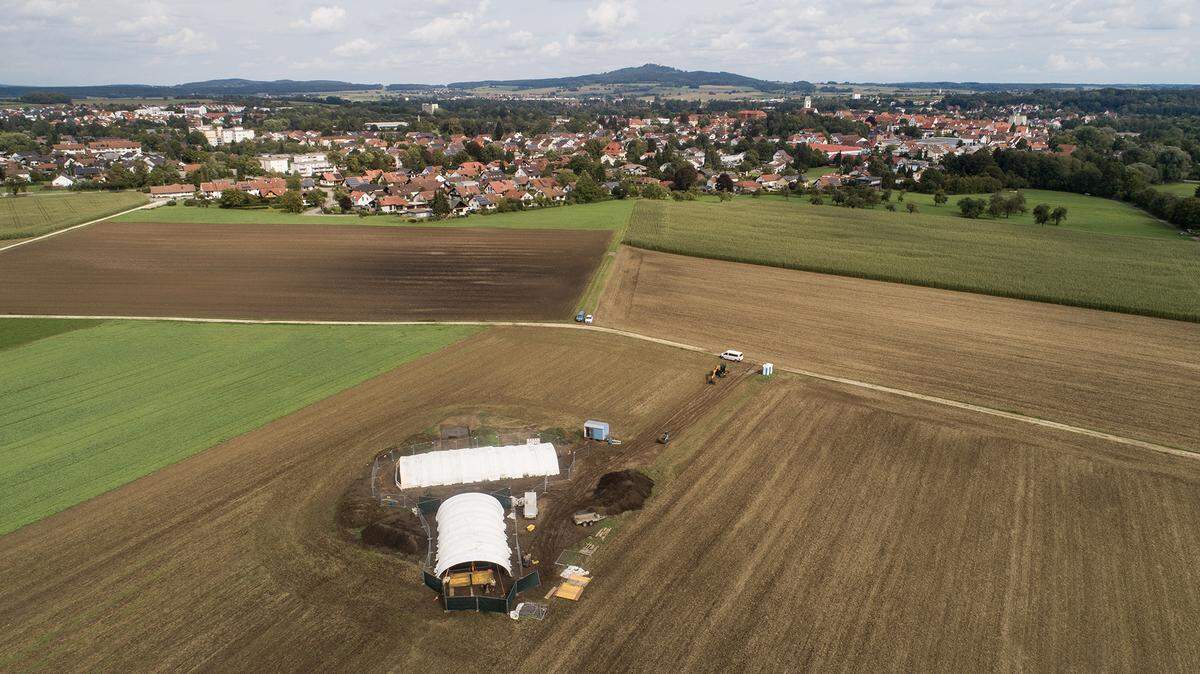
On the outskirts of a small town in Germany sat a relatively mundane-looking mound. To the untrained eye, the low hill probably looked like a natural feature of the landscape.
But inside hid a 2,600-year-old grave, largely forgotten — until now.
Something about the mound near Riedlingen intrigued archaeologists. A team of researchers started excavating the site in 2023 as part of an ongoing project looking into the region’s history, the Ministry for Regional Development and Housing in Baden-Württemberg said in an Oct. 18 news release.
As archaeologists dug into the center of the mound, a wooden structure began to reemerge. The surprised team soon realized they’d uncovered a 2,600-year-old Celtic burial chamber.
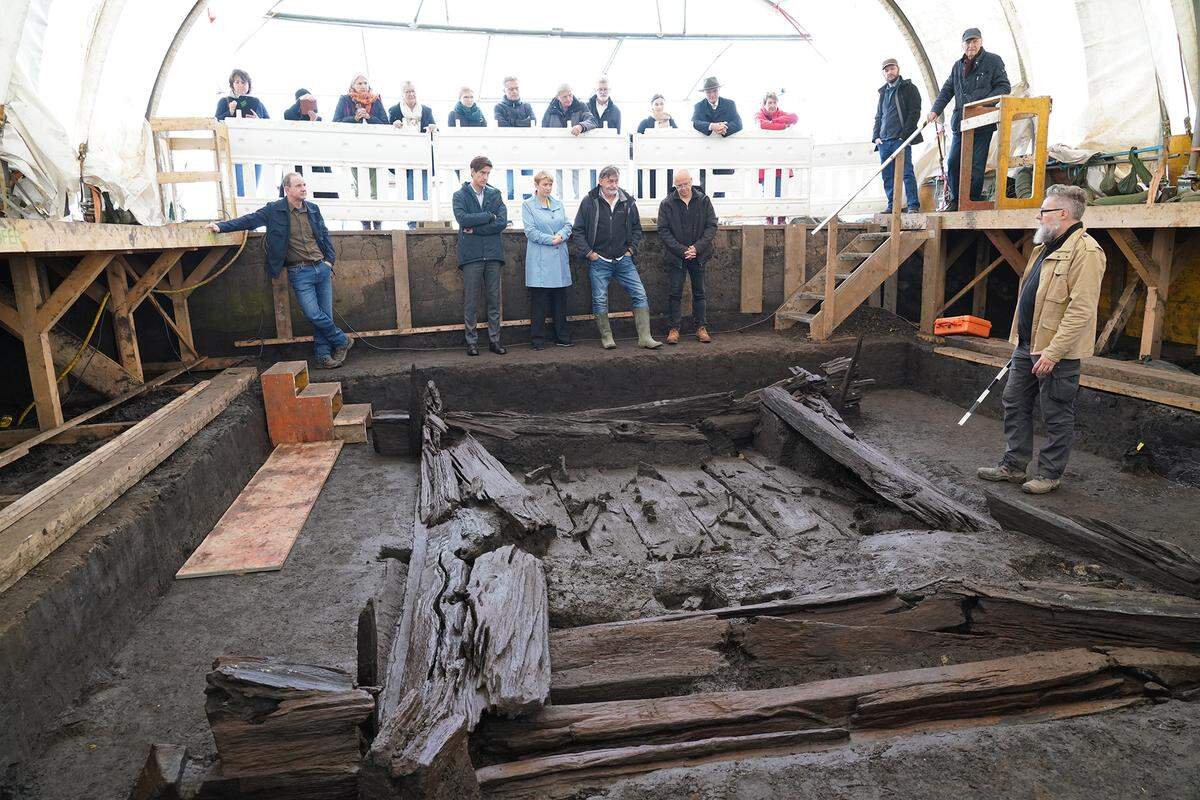
The rectangular structure was made of solid oak planks and was almost completely preserved. It measured about 11 feet wide by 13 feet long. Its ceiling had collapsed under the weight of the mound at some point, but it originally stood over 3 feet high. Photos show what remains of the ancient chamber.

The burial originally had treasures inside but had been systematically looted, archaeologists said. The grave robbers likely tunneled into the mound, entered the chamber before its collapse and methodically removed any valuable items.

The looters dropped a few small artifacts — some decorated bronze nails — in one of the tunnels. Archaeologists identified the nails as probably coming from a four-wheeled cart.
A photo shows a reconstruction of what the ancient burial mound might have looked like originally. An inset image shows how the grave robbers reached the central burial chamber.

Originally, the massive mound measured over 200 feet in diameter and about 20 feet in height, archaeologists said. Prior to recent excavations, it stood just over 6 feet tall.
Archaeologists don’t know yet who was buried inside the mound or why but hope to learn more by analyzing bones unearthed at the site.
Excavations also found a club-like tool left outside the chamber by the ancient Celtic builders. The wooden artifact was so well-preserved archaeologists could analyze its tree rings and date it to 585 B.C., officials said.
Wood typically disintegrates within a few decades unless preserved in a low-oxygen environment, such as water, mud or ice, so wooden artifacts are generally a rare find for archaeologists.
Officials described the site as spectacular, unique and scientifically important.

Archaeologists also found three more burials at the Riedlingen mound. Two were cremation graves, slightly older than the main burial chamber and located under the mound. The third was a skeleton buried along the edge of the mound after its construction.
Excavations at the mound are ongoing. Riedlingen is a small town in Baden-Württemberg state and a roughly 400-mile drive southwest of Berlin.
Google Translate was used to translate the news release from the Ministry for Regional Development and Housing Baden-Württemberg.
This story was originally published October 22, 2024 at 10:23 AM with the headline "Large mound in Germany hid 2,600-year-old burial chamber — until now. Look inside."