Poop reveals animal thought locally extinct for decades still visits Hong Kong island

A pair walking along the coast of a less-populated island in Hong Kong noticed some animal droppings — and rediscovered a mammal considered locally extinct for decades.
Jian-Huan Yang and Yik Fui Philip Lo visited a marine sanctuary on Lantau Island in February 2024 to search for traces of otter activity, according to a study published Jan. 3 in the peer-reviewed IUCN Otter Specialist Group Bulletin. Lantau Island is “the largest” of Hong Kong’s outlying islands and still relatively “rugged.”
During their visit, the pair noticed some dried animal droppings “on a bamboo branch” near the coast. They collected the poop, analyzed its DNA and realized they’d found the island’s first traces of Eurasian otters since the 1960s.
A photo shared by the Kadoorie Farm and Botanic Garden on Instagram on Jan. 8 shows the otter poop, also known as spraint, found on Lantau Island. It looks almost like gray sawdust.
Eurasian otters, also known as European otters or Lutra lutra, are a widespread species found across Europe, North Africa and southeast Asia. Globally, the species is considered near threatened due to hunting, habitat degradation and other human-induced threats, the study said
In Hong Kong, Eurasian otters were feared extinct but rediscovered at a nature reserve on the mainland in the 1980s. Ever since, the “elusive” species “has only been reported sporadically,” and its population may be fewer than 10 individuals, researchers said.
But Eurasian otters had not been seen on Lantau Island since the 1960s, and the species was still considered locally extinct there — until now.
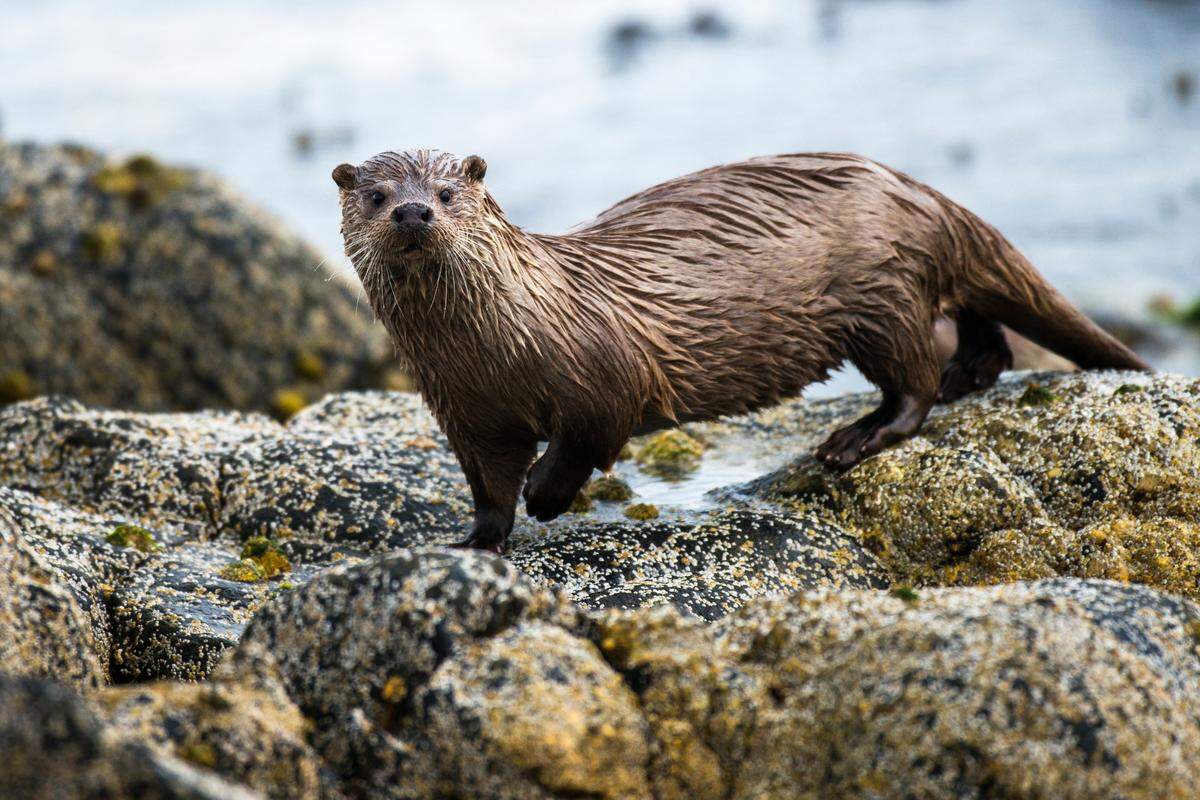
Researchers offered two explanations for how the otter poop got to Lantau Island: Either the mainland otters visited the site, or the species never went extinct but “managed to survive in this busy coastal area” without being noticed.
Still, the rediscovery of Eurasian otters on the island brings “new hope for this locally extremely rare species,” researchers said. They suggested further surveys on the island.
Eurasian otters are a protected species in Hong Kong and have been since 1936, the study said. Hong Kong is a special administrative region of China on the southern coast.
The research team included Michael Ka Yiu Hui, Aiko KY Leong, Huarong Zhang, Feng Yang, Ho Yuen Yeung, Yik Fui Philip Lo and Jian-Huan Yang.
This story was originally published January 10, 2025 at 4:36 PM with the headline "Poop reveals animal thought locally extinct for decades still visits Hong Kong island."