Bright blue chunk found in Rome turns out to be rare 2,000-year-old material. See it
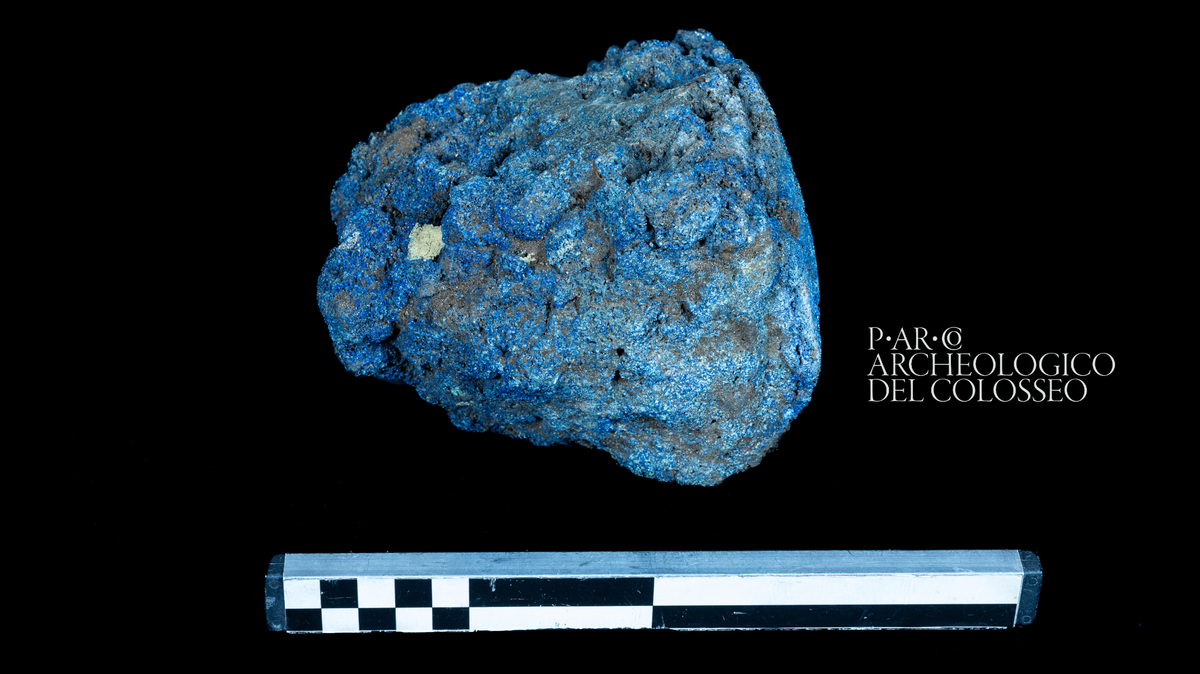
Across the street from the Colosseum in Rome, Italy, archaeologists excavated the remnants of a Roman emperor’s palace. One particular find — a bright blue chunk — caught their attention and turned out to be a rare ancient material.
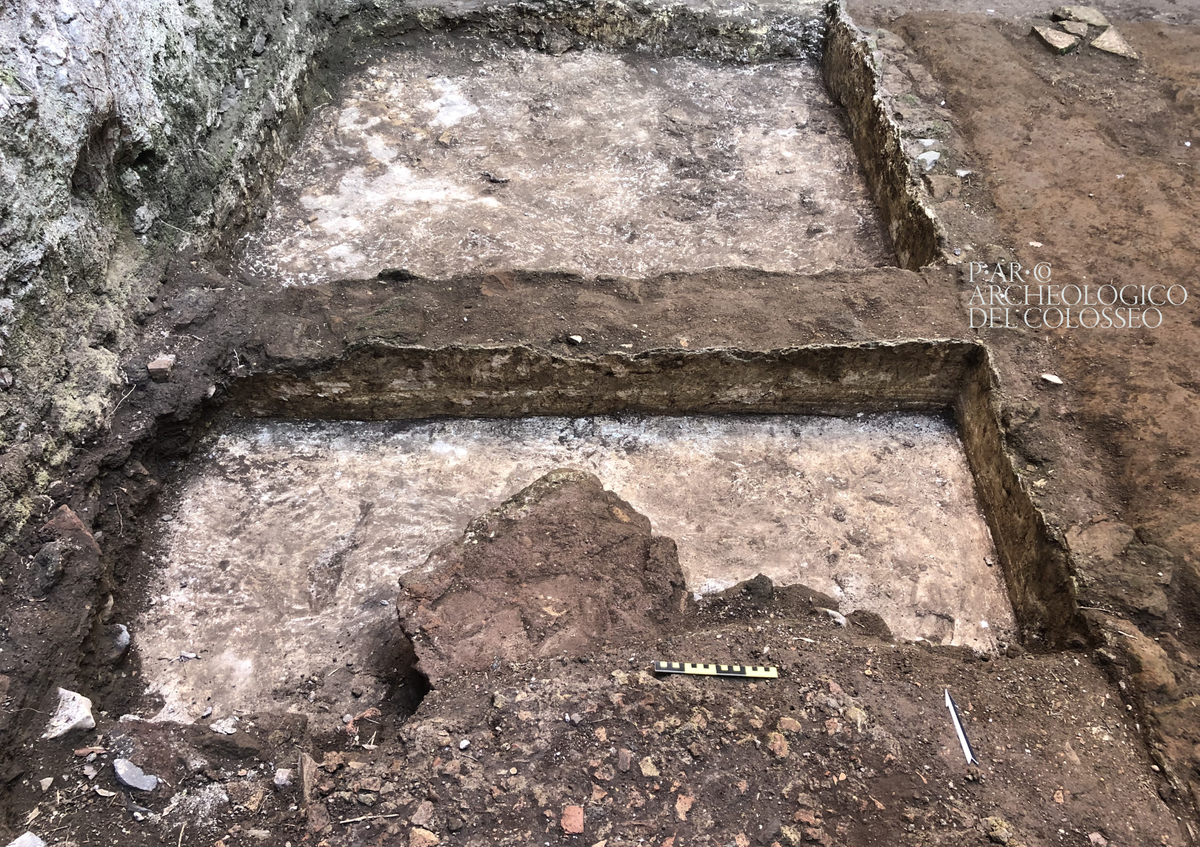
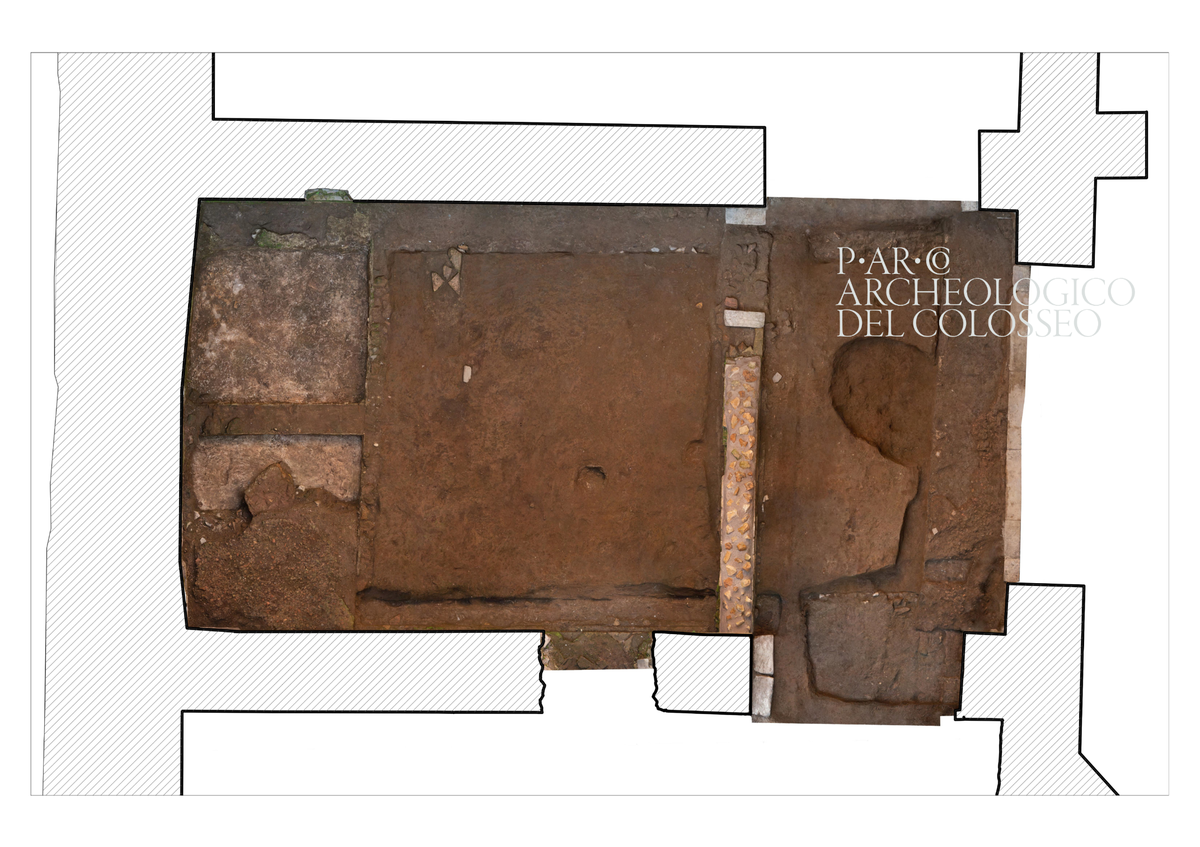
Archaeologists sifted through the ruins of the Domus Aurea, also known as the Golden House of Nero, as part of an ongoing project, the Colosseum Archaeological Park said in a Jan. 20 Facebook post. The excavation focused on a small room near the outer edge of the palace that functioned as a workshop during the building’s construction.
There, the team uncovered two rectangular tanks used to mix materials and create colored pigments for painting the palace’s walls, officials said. A photo shows the shallow pool-like structures.
Archaeologists also uncovered several of the ancient workshop’s products, including a rare chunk of Egyptian blue pigment. This type of artificial pigment dates back over 5,000 years to ancient Egypt and was popular in the Roman Empire.
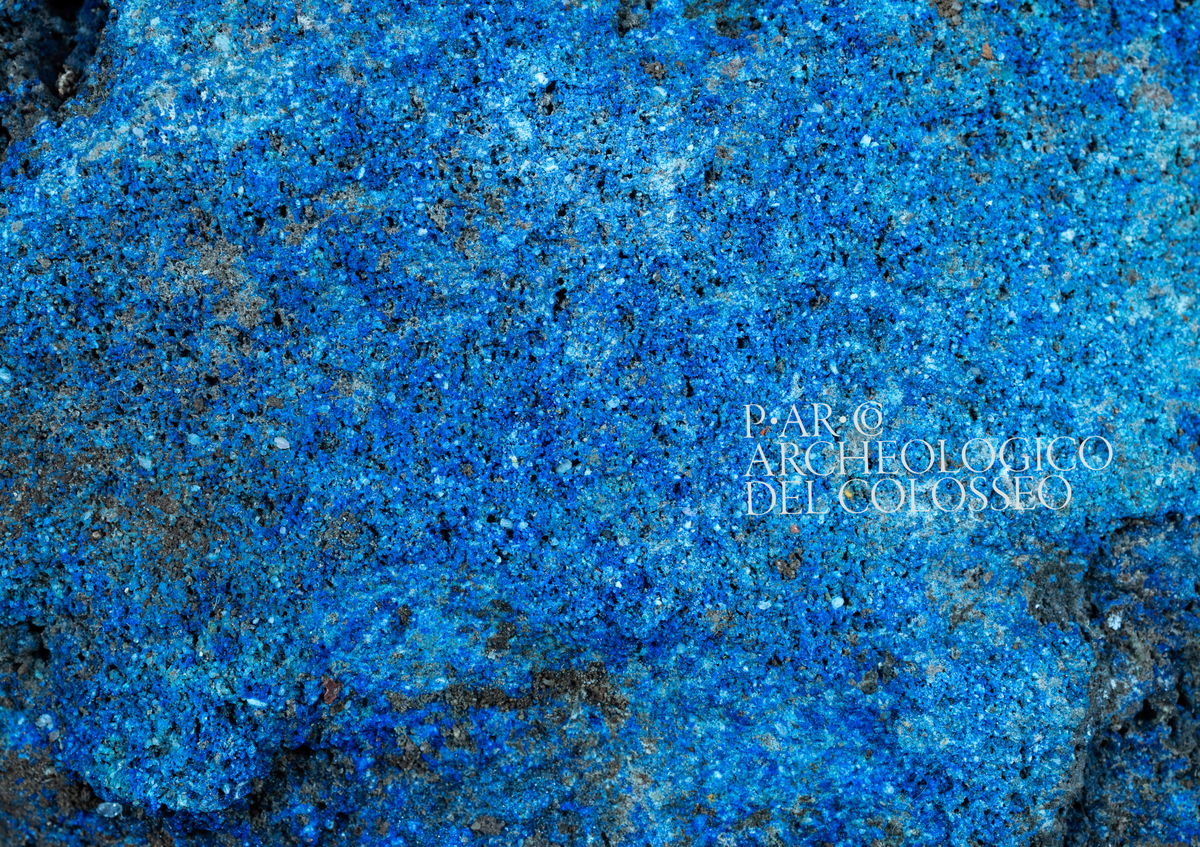
The block of blue pigment measured about 6 inches tall and weighed just over 5 pounds, archaeologists said. A close-up photo shows its vibrant azure hue.
Officials described the pigment block as extraordinary, very precious and exceptional due to its size. Egyptian blue is usually preserved as a powder or in small amounts.
Archaeologists did not provide an exact age for the pigment chunk but linked it to the construction of the Domus Aurea, a palace built in Rome about 2,000 years ago under the rule of Emperor Nero. Little of the palace has survived.
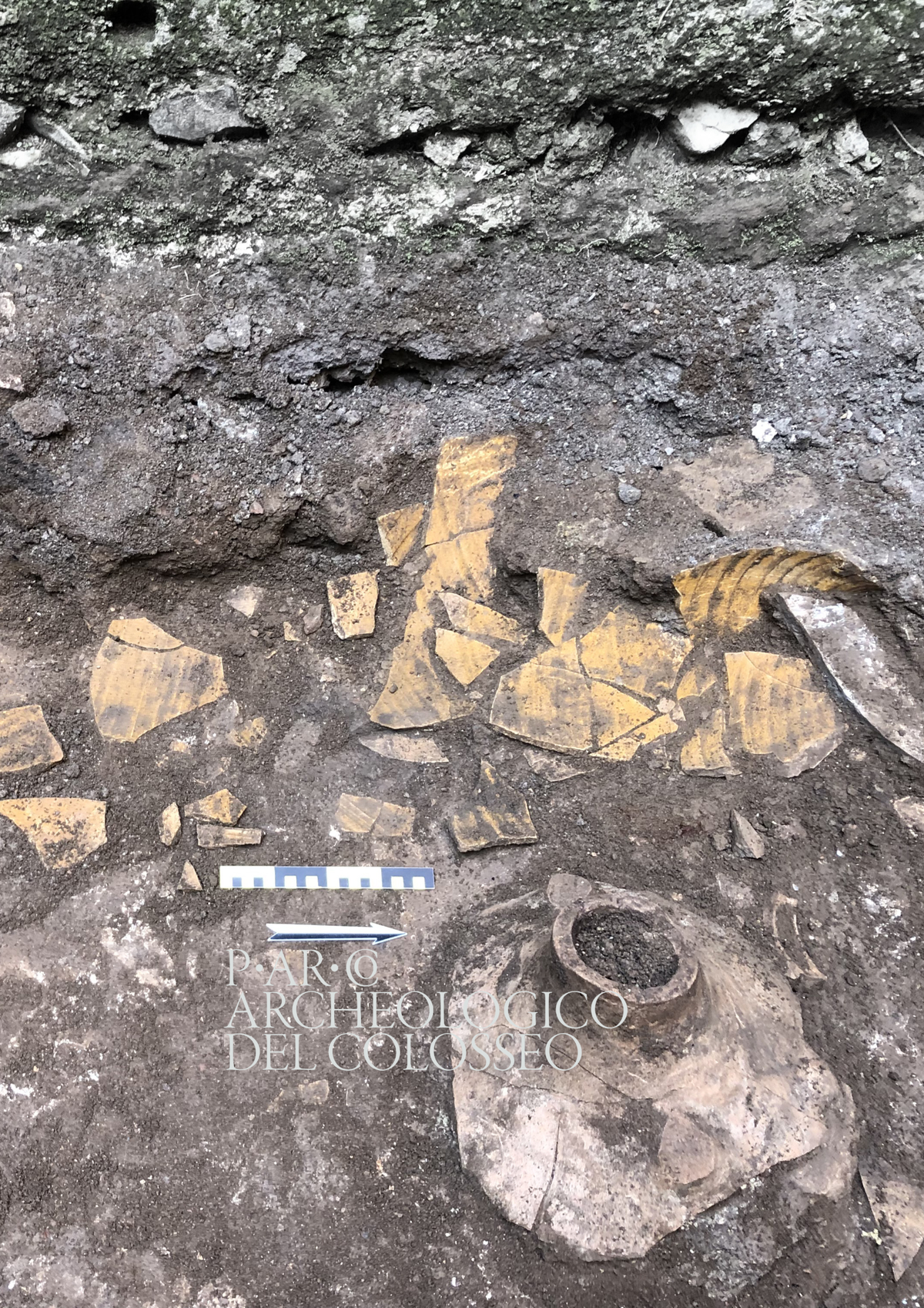
Excavations at the 2,000-year-old workshop ruins also unearthed pottery with yellow ochre pigment and vases with multiple shades of red pigment, officials said.
The Domus Aurea sits near the Colosseum in central Rome. Excavations at the site are ongoing.
Google Translate was used to translate the Facebook post from the Colosseum Archaeological Park.
This story was originally published January 21, 2025 at 2:43 PM with the headline "Bright blue chunk found in Rome turns out to be rare 2,000-year-old material. See it."