Cavers find aquatic creature with skin instead of eyes — and discover new species
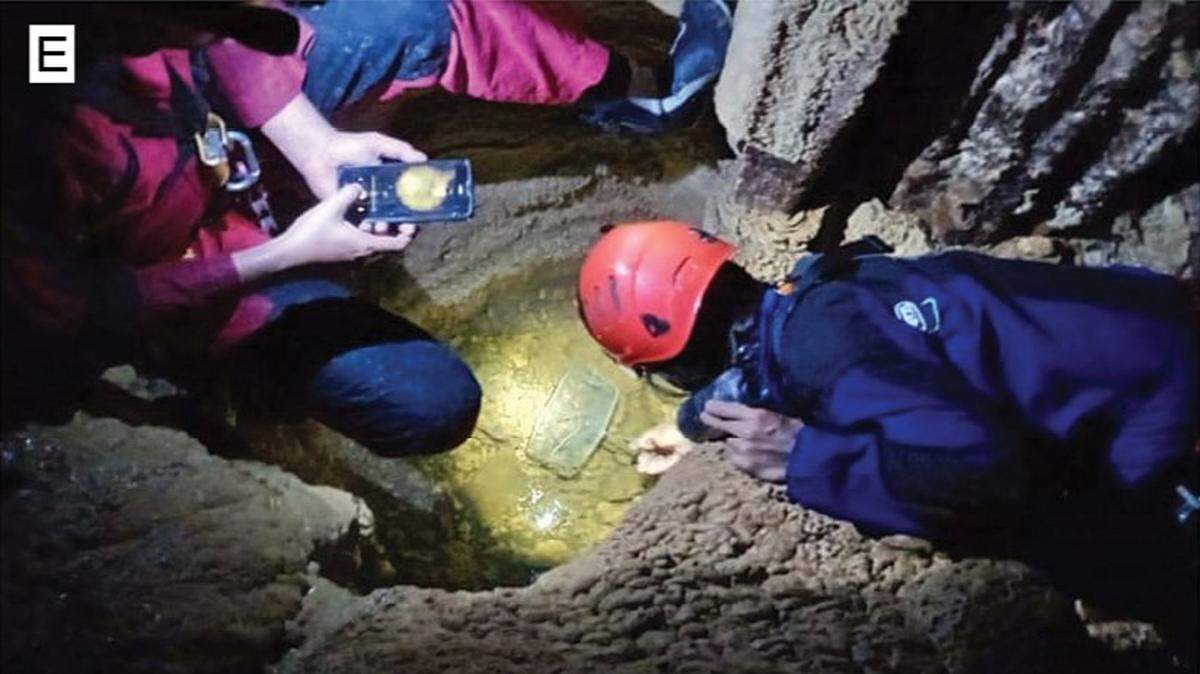
After lowering themselves into a “vertical cave” in Indonesia, a team of cavers paused at a shallow pool. Floating inside was an odd-looking creature with skin where its eyes should be.
They didn’t know it right away, but they’d discovered a new species.
M. Iqbal Willyanto joined a team of surveyors in 2020 to explore a difficult-to-access cavern known as Cisodong 1 Cave. The “vertical cave” had a series of caverns descending sharply in a step-like manner with steep drops from one chamber to the next.
Deep inside the cave, Willyanto noticed several shallow pools with some fish that clearly “lacked eyes.” Intrigued, the cavers photographed the animals and later shared the footage to a team of scientists, according to a study published Feb. 24 in the peer-reviewed journal ZooKeys.
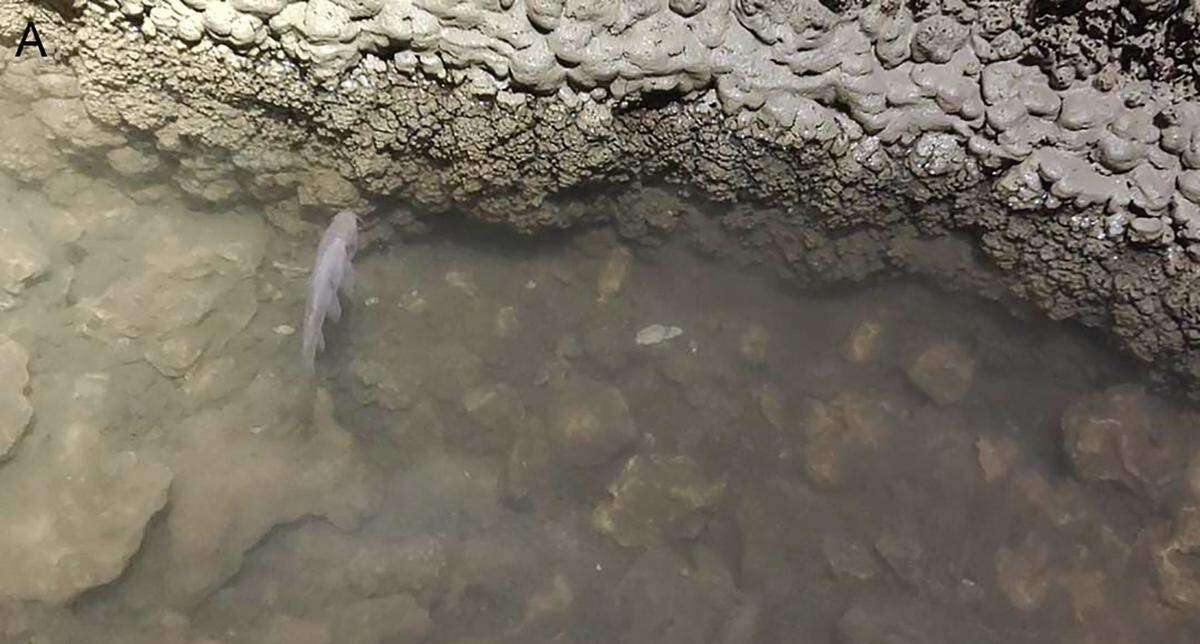
The unusual cave fish looked like silvery barbs, a type of small bottom-dwelling fish generally found in lakes and rivers, but their eye sockets were “fully covered with skin,” researchers said.
Determined to learn more about these mystery fish, Willyanto and a team of experienced cavers returned to the cave in 2022 and collected two specimens, the study said. Researchers took a closer look at the animals and quickly realized they’d discovered a new species: Barbodes klapanunggalensis, or the Klapanunggal blind cave barb.
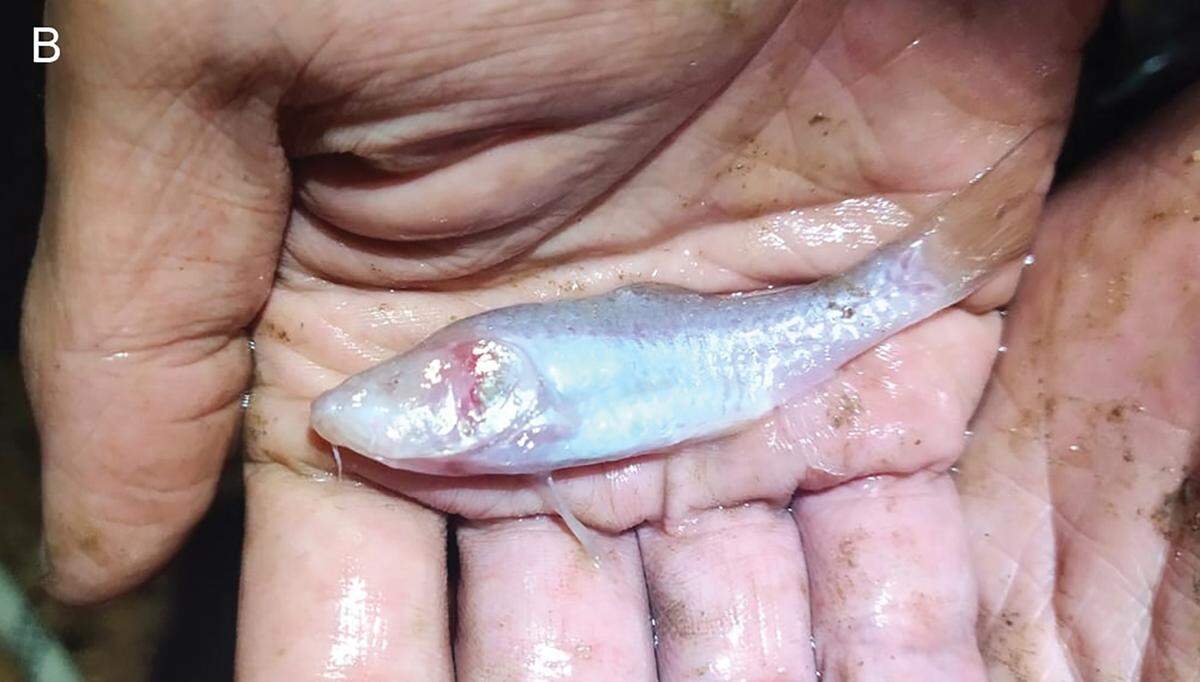
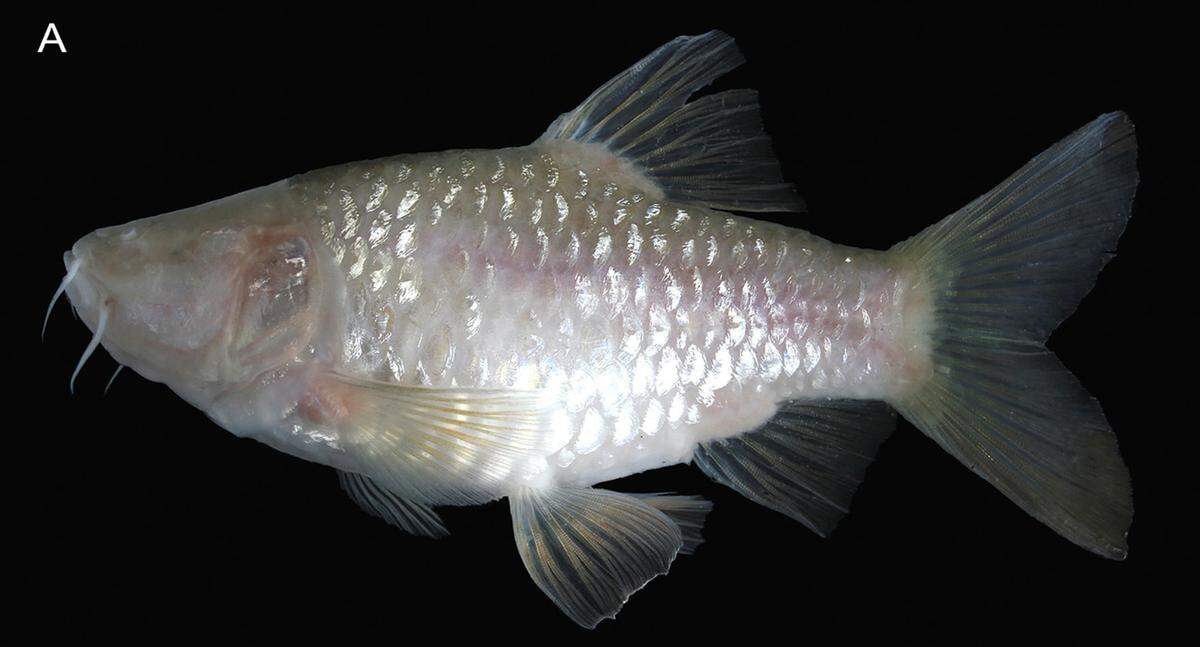
Klapanunggal blind cave barbs have scaly bodies reaching about 3 inches in length, the study said. Their eyeless heads have a “rounded” snout and several whisker-like barbels.
Photos show the “silvery-white” coloring of the new species which, like other cave-dwelling animals, lacks pigment. One fish appears “plumper” than the other “due to the accumulation of viscous fluid.”
Klapanunggal blind cave barbs live in shallow cave pools between about 90 and 170 feet underground, the study said. The pools, “containing clear water and fine clay” particles, are linked to a “seasonal” underground river. The fish were “stationary in still water, but began to actively swim when the water was disturbed.”
Researchers said they named the new species after Klapanunggal District where it was first discovered and, so far, the only place where it has been found. Klapanunggal District, where Cisodong 1 Cave is located, sits on the outskirts of Jakarta, the capital of Indonesia.
The new species already “meets the criteria of a threatened species” because of its “restricted distribution, distinctive habitat, small population” and the “high potential threat” from “extractive industries,” researchers said.
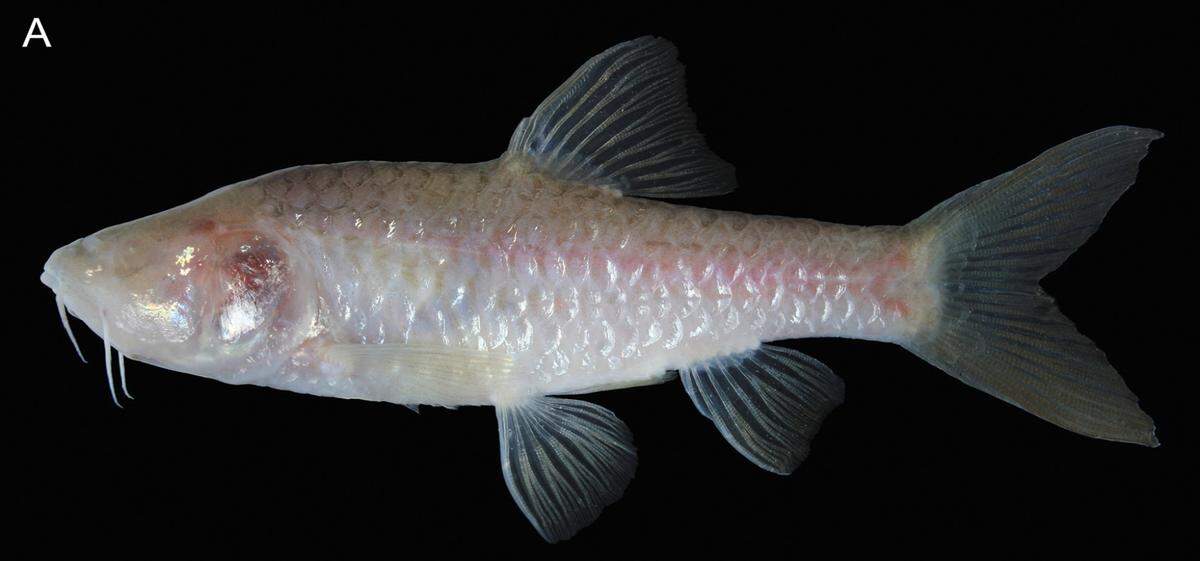
The new species was identified by its lack of eyes, fin shape, body proportions, coloring and other subtle physical features, the study said. Researchers did not provide a DNA analysis of the new species.
The research team included Kunto Wibowo, Willyanto, Anik Budhi Dharmayanthi, Cahyo Rahmadi and Daniel Natanael Lumbantobing.
This story was originally published February 24, 2025 at 4:33 PM with the headline "Cavers find aquatic creature with skin instead of eyes — and discover new species."