Scientists climb trees in China — and discover new species with ‘spoon-shaped’ shell
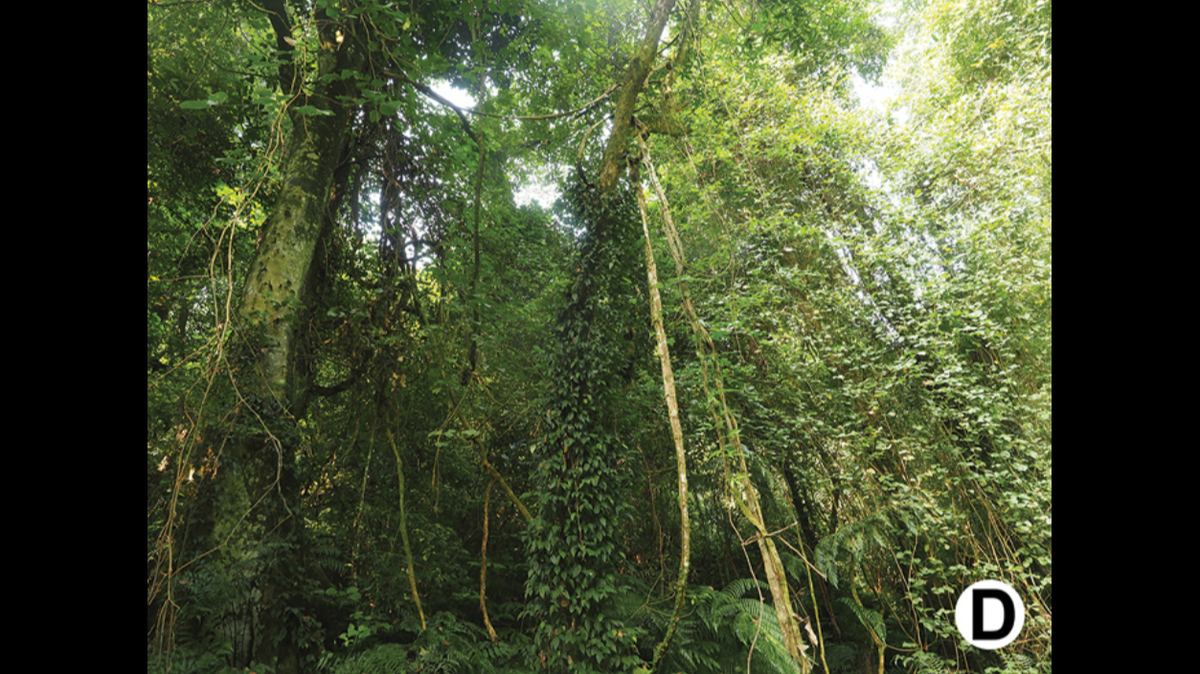
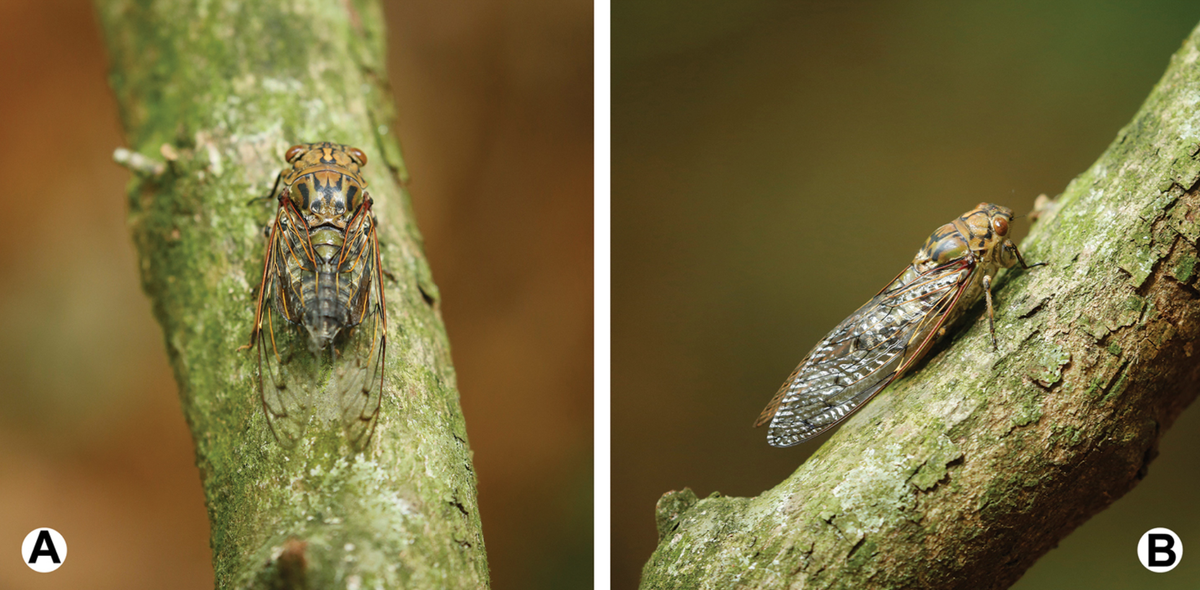
Researchers on a field expedition in a forest in southeast China looked up to see the trees filled with ochre-colored insects with “orangish” eyes.
As day turned into night, they set up light traps in the canopy and waited. Unlike most other bugs, however, this species was not attracted to the light, making it “difficult to capture,” according to researchers.
Plan B? Climb the trees and catch them by hand.
This persistence led researchers to discover the seven specimens they captured were actually part of a new cicada species, Cochleopsaltria huboliao, according to a study published March 6 in the peer-reviewed journal ZooKeys.
The discovery also marks the first time a species of the Cochleopsaltria genus has been recorded in China, and the second time being recorded anywhere in the world, according to the study.
The closest relative to the new Huboliao cicada was a single male of a different species found in Vietnam.
The Huboliao cicada, about 1.5 inches long, was “abundant” throughout the Huboliao National Nature Reserve, where it was found and for which it was named, researchers said.
The species is ochre-colored and “slightly tinged” with green, with an abdomen shaped like a “drop.”
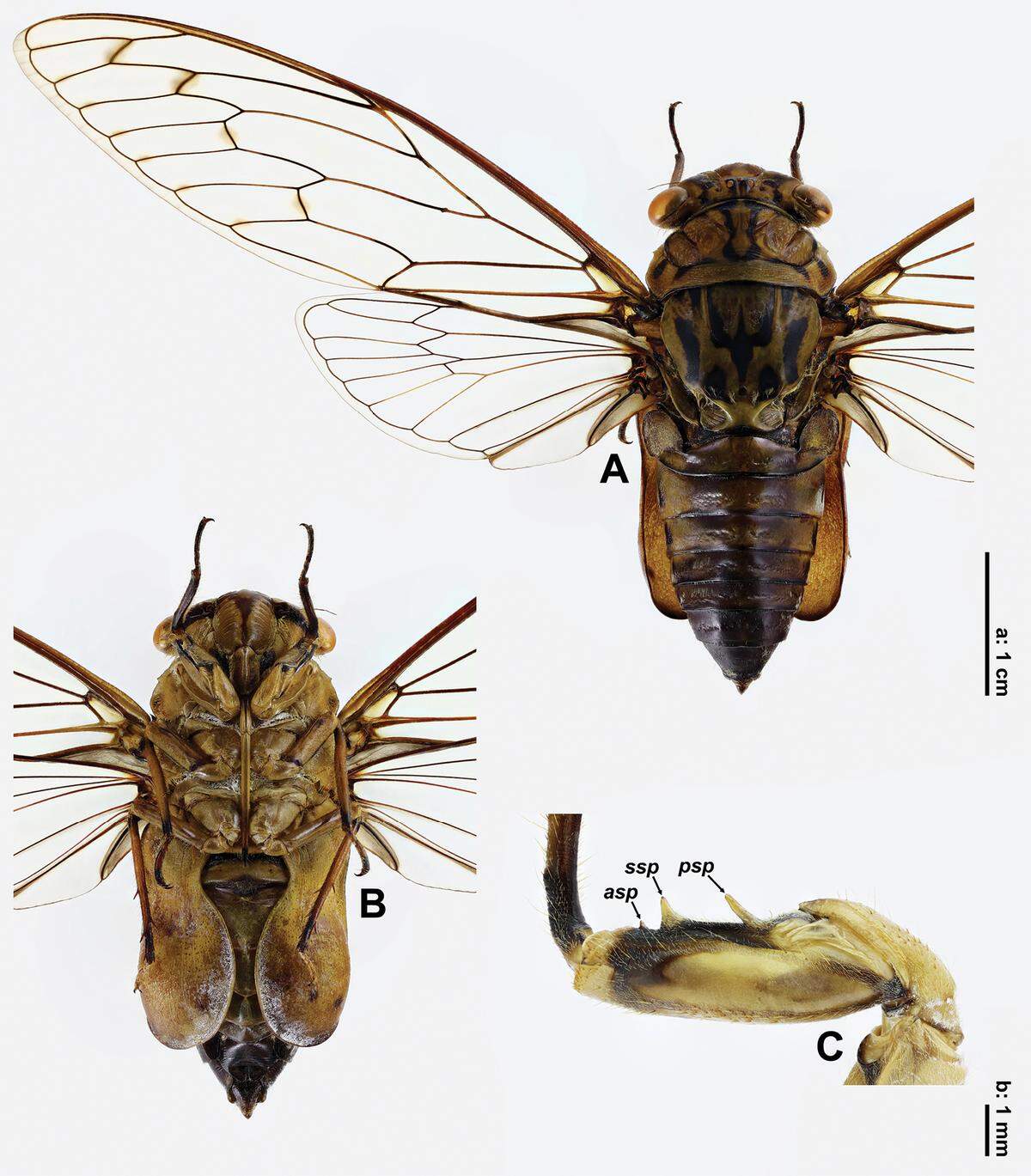
The cicada has a distinct “spoon-shaped” shell covering an organ on its abdomen that acts as the insect’s ear, according to the study.
Huboliao National Nature Reserve is located in China’s Fujian Province, about 510 miles northeast from Hong Kong.
The research team included Cheng-Bin Wang and Zhi-Jian Liu.
This story was originally published March 25, 2025 at 4:30 PM with the headline "Scientists climb trees in China — and discover new species with ‘spoon-shaped’ shell."