
Rare predator travels 5,000 miles from CA to UK — for a date. See the bachelor
When the survival of your species is on the line, there is nowhere on Earth that is too far to travel for love.
That’s why one rare Malagasy fossa made a more than 5,000-mile journey from the San Diego Zoo to Chester Zoo in England for a date.
Zaza, a 7-year-old male fossa, has been transferred from California to England to breed with Shala, Chester Zoo’s resident female, according to a May 9 news release.
“Zaza is part of a global conservation breeding program. With the fossa listed as vulnerable to extinction by the International Union for the Conservation of Nature (IUCN), and its wild habitats in Madagascar under threat from rapid development, Zaza’s move to Chester Zoo is an important part of the international effort to ensure this wonderful and unique species is safeguarded long into the future,” Mark Brayshaw, head of mammals at Chester Zoo, said in the release.
Zaza and Shala will be slowly introduced to each other to imitate how they would actually meet in the wild, the zoo said.
“Initially we plan to rotate the two of them separately around different parts of their habitat so they can smell each other,” Jack Cunningham, carnivore keeper at Chester Zoo, said in the release. “They can see each other through a glass window and there’s also a screen we can slide open between their dens which allows them to see each other, without being able to get to one another straight away. It’s all part of our slow and gradual introduction process.”
The zoo said the arrangement may seem “like an episode of Blind Date,” but it ensures the animals aren’t forced together too quickly.
Shala has been a mother before, welcoming a litter of pups with a previous mate that have now gone on to other facilities around the world, the zoo said.
Being able to study Shala has “helped researchers in Madagascar track and understand the fossa’s mating calls and habitat needs,” according to the release.
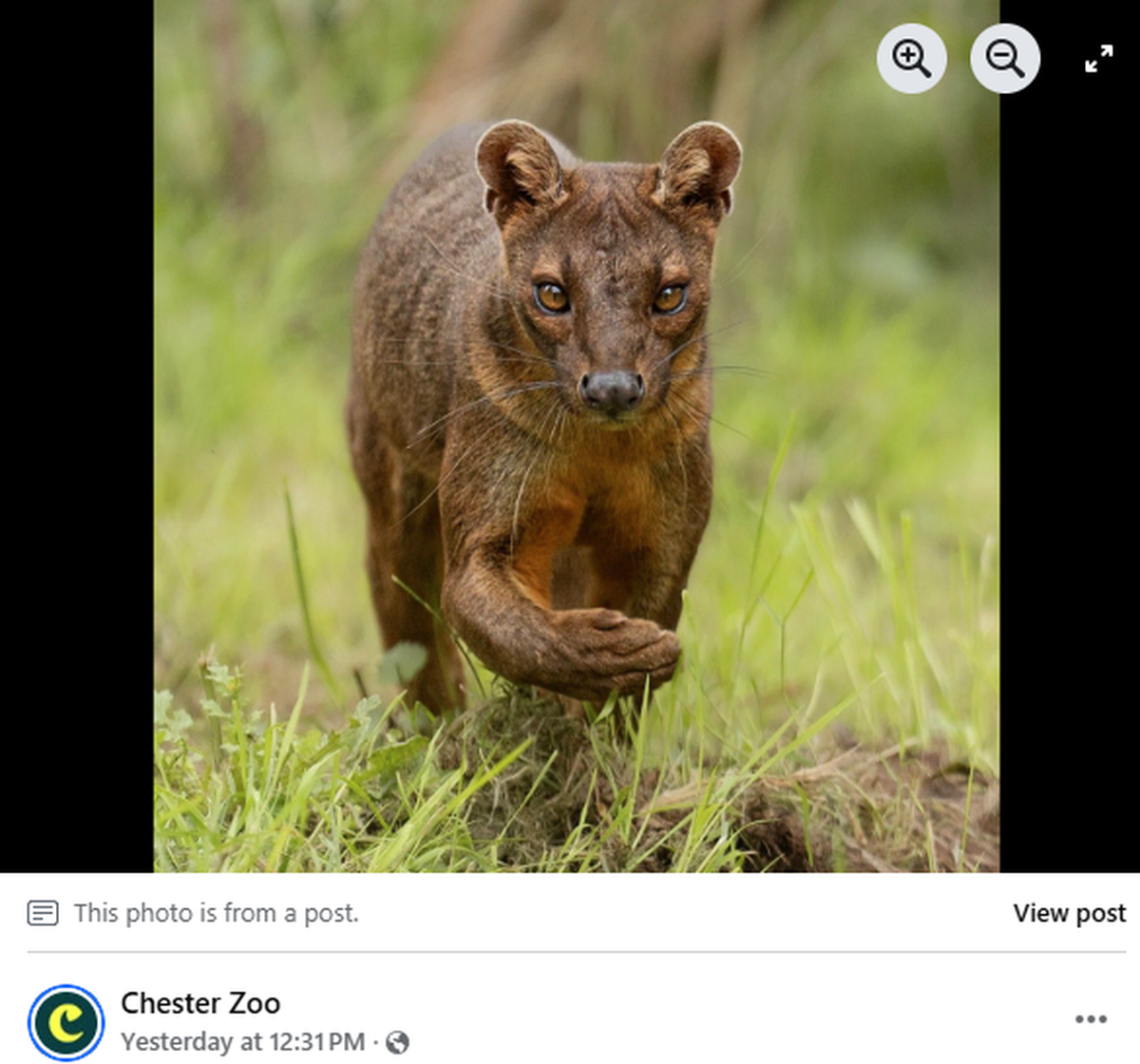
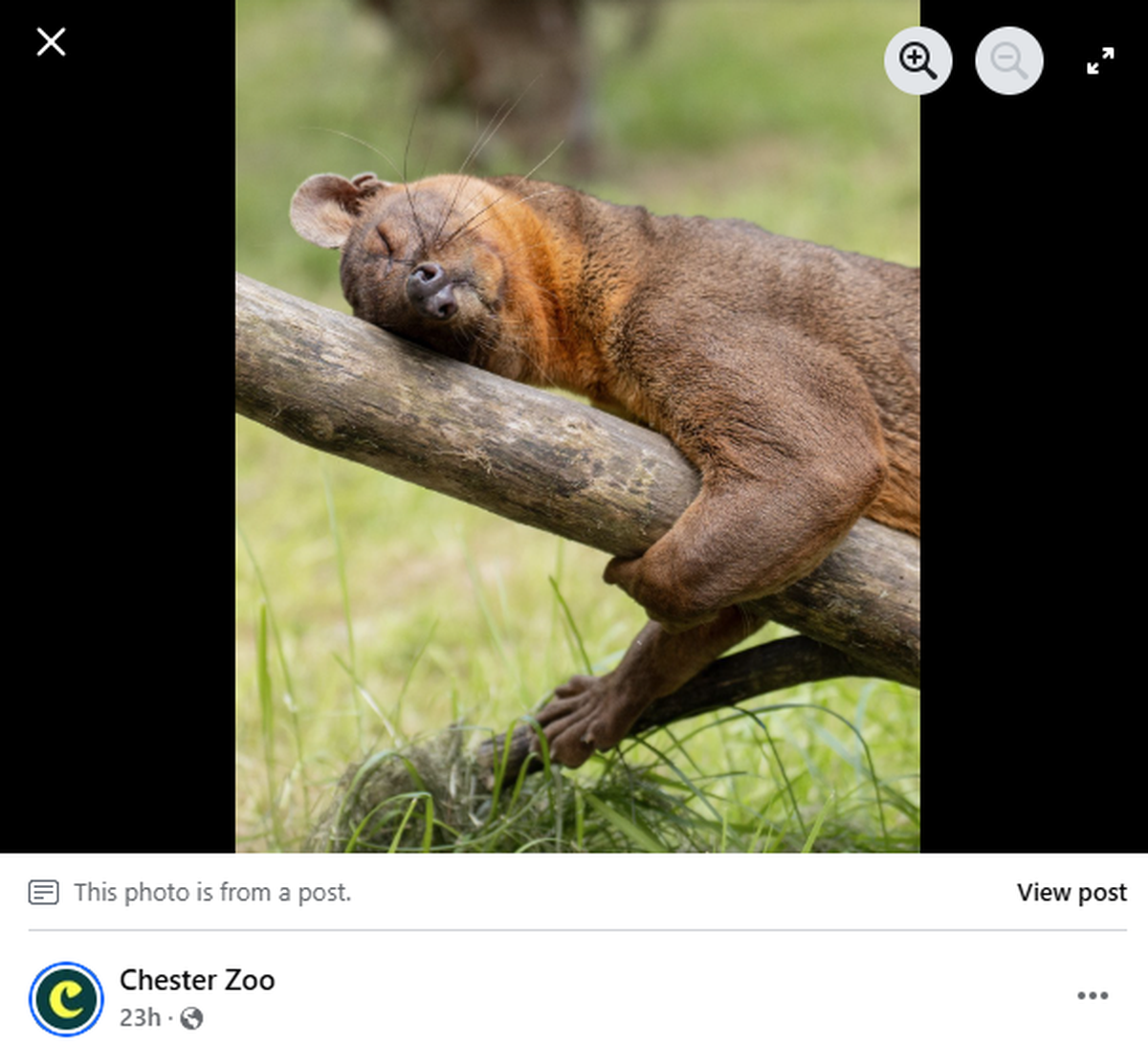
Fossas are a group of carnivores that appear like a mix between a cat and a weasel but are actually more closely related to mongoose and civets, according to the San Diego Zoo.
They have long tails and golden fur, and are native to the island nation of Madagascar, off the eastern coast of Africa.
The animals have “puzzled scientists since the 1830s,” the San Diego Zoo said, and little is known about their lives.
Like many other Madagascar natives, the species has faced serious habitat destruction and loss, and fossa numbers are dwindling.
Fewer than 2,500 are estimated to live in the wild, so the survival of the species has fallen into the hands of zoos and wildlife parks, according to Chester Zoo.
Shala’s mating call particularly has been scientifically significant, the zoo said.
“Her mating call has been recorded and analyzed to create a spectrogram, which is a visual representation of sound,” the zoo said, allowing researchers to know when females are looking for mates in the wild by matching the sounds.
Zaza is likely to match Shala’s energy, the San Diego Zoo said.
“Zaza is a very energetic and well-tempered fossa and can be very vocal when excited,” Lucy Pearson, Zaza’s keeper in San Diego, said in the release. “He was the bravest of the four pups in his litter due to his curious personality.”
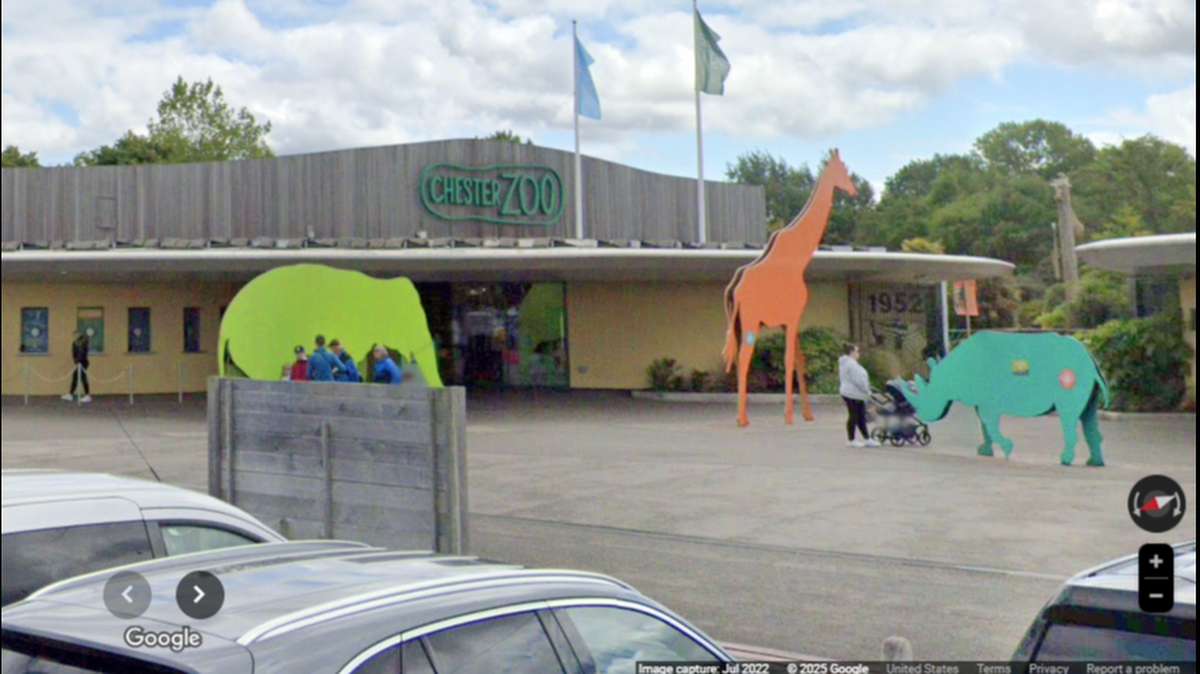
Chester Zoo is in Chester, England, just east of the northern border of Wales.
This story was originally published May 9, 2025 at 2:26 PM with the headline "Rare predator travels 5,000 miles from CA to UK — for a date. See the bachelor."
