Cave-dwelling tarantula — at home in total darkness — rediscovered after 133 years
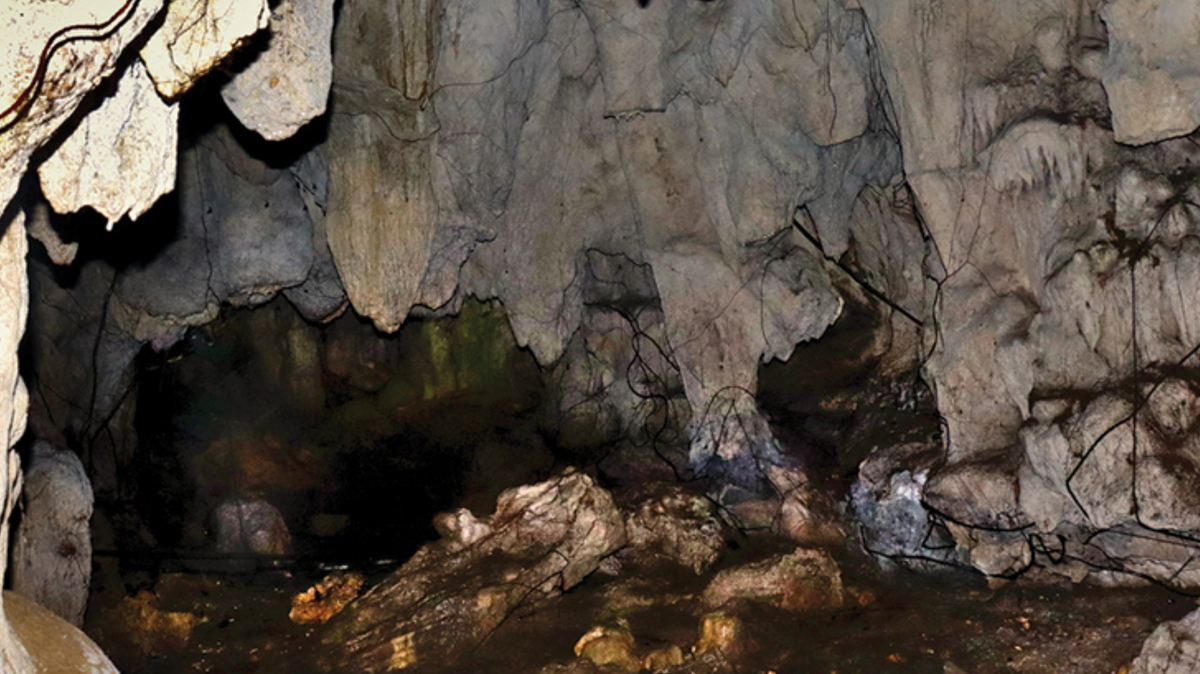
A cave-dwelling tarantula not seen since it was first described in 1892 has been rediscovered in the Philippines.
French naturalist Eugène Simon first discovered Orphnaecus pellitus in the Culapnitan Caves in the Philippines. It was in this same cave system where researchers confirmed its continued existence 133 years later, according to a June 5 study published in the peer-reviewed journal Subterranean Biology.
Researchers said Simon only got a “quick observation” of the tarantula, but based on his descriptions, experts suspected the species was troglobitic, or adapted to live exclusively in the complete darkness of caves.
Orphnaecus pellitus specimens were collected from the dark zones of three interconnected caves, where there is no penetration of light, according to the study.
Researchers said physical characteristics such as its “distinctly tiny eyes,” elongated legs and light body color confirmed the species to be a “true troglobitic tarantula,” and the only one out of “19 known troglobitic tarantula species” worldwide to exist in Asia.
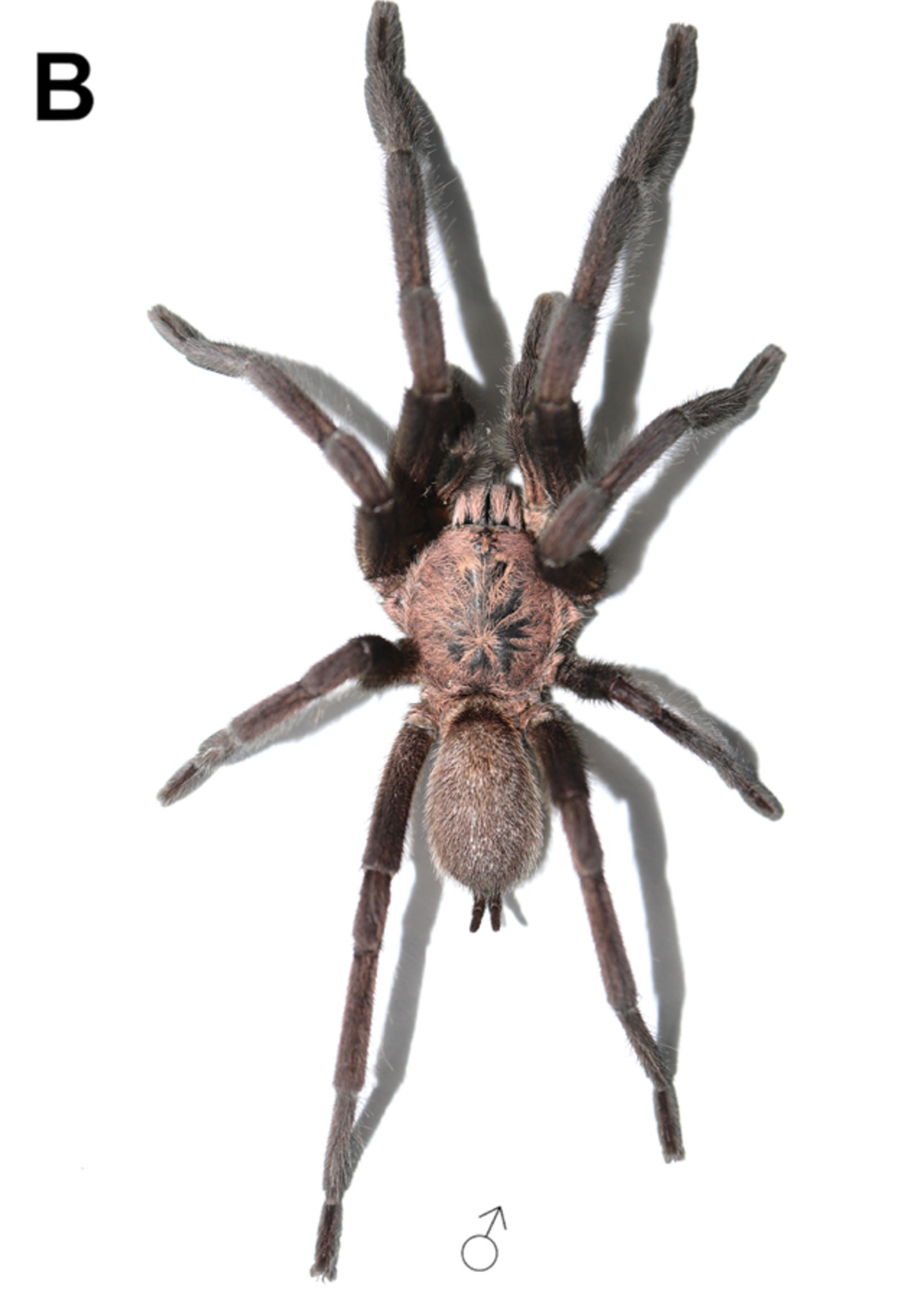
The tarantulas were subjected to a hypoxia test, which researchers often perform to assess a species’ adaptations to low-oxygen environments like caves.
They discovered that when deprived of oxygen, Orphnaecus pellitus took between five and 12 minutes to lose consciousness, whereas other species typically become unresponsive in less than two minutes, according to the study.
Orphnaecus pellitus was quick to recover, and no fatalities were recorded, researchers said.
The tarantulas also displayed “heightened sensitivity to ground movements,” retreating into their burrows when they were approached from more than 3 feet away, according to the study.
The species has developed highly efficient prey detection and capture instincts, researchers said, adding that specimens they collected and observed in a laboratory setting never once paused to observe their surroundings before capturing live insects.
Juveniles were observed preying on insects three times their body size, researchers said.
During their fieldwork, researchers discovered two new tarantula species in the forests surround the caves. Both species are members of the Orphnaecus genus, according to the study.
The research team included Darrell C. Acuña, Lorenz Rhuel P. Ragasa, Myla R. Santiago-Bautista, Volker von Wirth and Leonardo A. Guevarra Jr.
This story was originally published June 9, 2025 at 4:39 PM with the headline "Cave-dwelling tarantula — at home in total darkness — rediscovered after 133 years."