SC lawmakers hear 2020 redistricting concerns. What Fort Mill, Chester voters said
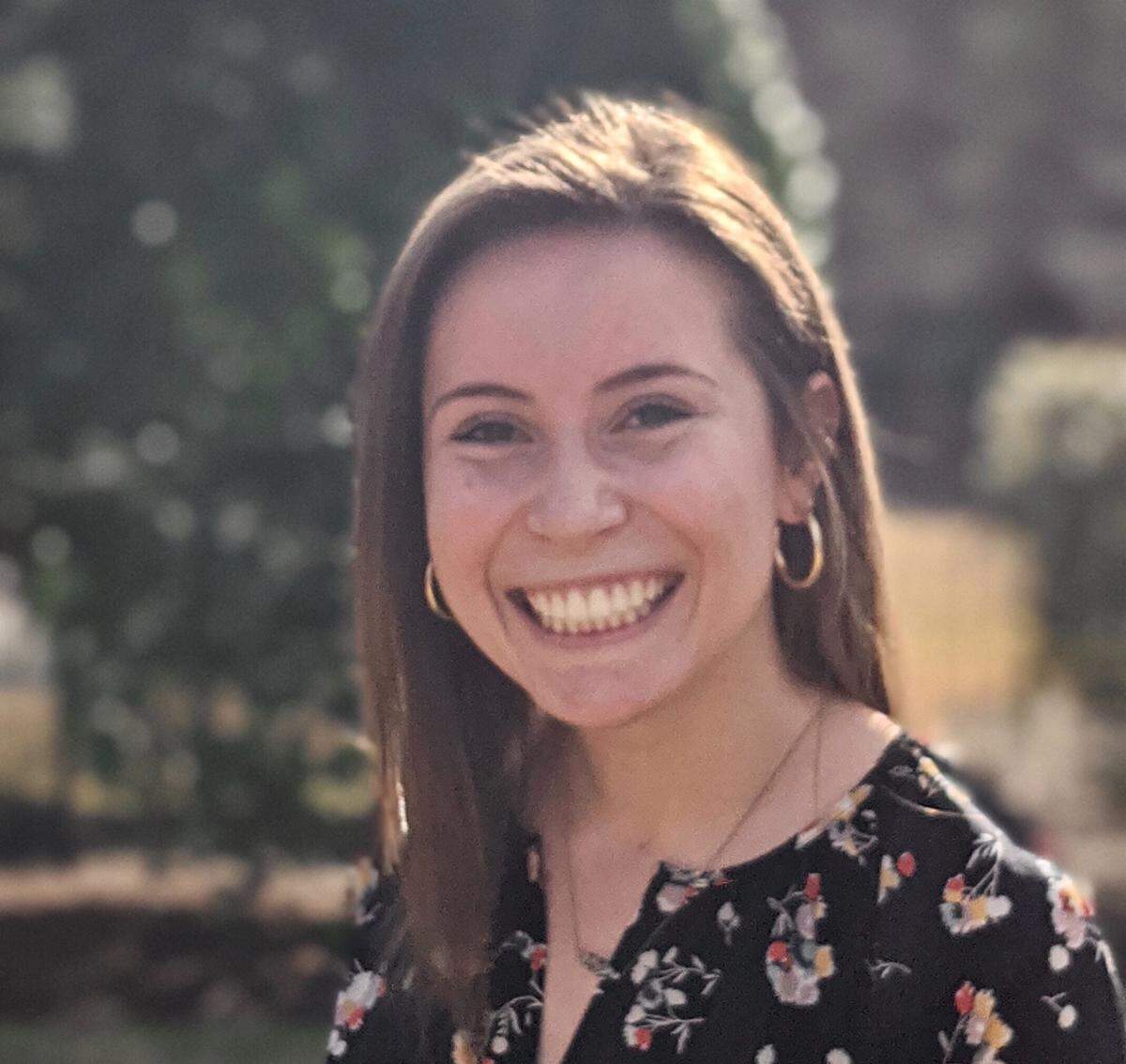
Former Chester City Council member Angela Douglas asked South Carolina House representatives who met in Rock Hill Monday night to remember rural Chester County, with fewer than 33,000 people, this month when they begin redrawing district lines.
“We refuse to be forgotten,” she told the seven-member S.C. House Redistricting Ad Hoc Committee, which held its third of 10 statewide public hearings at York Technical College.
Voters from York, Lancaster and Chester counties were encouraged to share input at the meeting to assist lawmakers in redrawing district lines based on 2020 U.S. Census Bureau data.
“I’m representing Chester, but there’s so many Chesters across South Carolina,” Douglas continued. “They get neglected. They don’t get stopped in, don’t get the attention from all of you throughout the cycles.”
Several members of the panel, tasked with the once-in-a-decade responsibility of drawing new boundaries for the 124 state House districts, began jotting down notes.
She requested that Chester not get absorbed into other districts.
Douglas pointed out that with the current district boundaries, about 500 Chester County residents are thrown into District 29, which also includes parts of Cherokee and York counties. While, the rest of the county is represented in Districts 41 and 43.
“It just does not make sense,” she said. “It only makes sense that someone came up with a formula and said, ‘We just need 523 more people to put into this seat and we don’t care where we take it from, so take it from Chester. They don’t care. They don’t mind.’”
A handful of people spoke Monday. They asked that representatives keep communities and neighborhoods together, especially in the flourishing Tega Cay, Fort Mill and Lake Wylie areas, and refrain from gerrymandering districts — a process that can be used to cluster voters in patterns that favor specific political interests and protect incumbents.
“Redistricting has always been very politically charged,” Douglas said. “It’s supposed to be designed to allow us an opportunity to reassess every 10 years or so, but that has not always been the case. It has been a game of political numbers.”
Delays related to COVID-19 slowed the release of the Census Bureau’s redistricting data. The census released some data in August, which showed York and Lancaster counties each increased in population by 25% since 2010. Chester County’s population decreased by 3%. The data also showed that each of the three counties became more racially and ethnically diverse.
The bureau will release the remainder of the data at the end of September, when the House will officially begin its map-drawing process.
Extreme growth near NC-SC border
Only two other South Carolina counties, Horry and Berkeley, grew more than York and Lancaster over the decade. York County Democratic Party Chairman John Kraljevich pointed that out Monday night.
“If you look at the largest state House districts as they’re currently constituted before redistricting, three of the six largest populations are right along the border in York County,” he said.
The three highly-populated boundaries — Districts 26, 45 and 48 — cover the Fort Mill area, some of Tega Cay and Rock Hill, and extend into Indian Land in Lancaster County.
“We’re going to end up with packed districts,” Kraljevich said. “The growth is going to continue to come and that growth is going to continue to come closest to our state border.”
The ideal population for House districts is 41,278.
Based on 2020 data, the populations for Districts 26, 45 and 48 are each well above the House’s target population for the districts. The three districts, combined, include about 172,637 people, which would make up 4.2 districts.
District 45, which includes parts of Fort Mill and Indian Land, has the largest population of the three with more than 66,000 people.
Kraljevich asked that the committee keep the continual growth in mind during the map-drawing process.
“I will ask you to draw those maps with an eye not just on 2021 and your current goals, but what these districts will look like as we approach 2030,” he said.
York County, which has traditionally elected more Republican leaders, currently has two Democrats out of its thirteen state House and Senate members.
S.C. Rep. John King, the only African-American of the 13-member delegation, asked the panel to raise its 5% deviation — or difference — in ideal population for each district to 10% to ensure all, particularly minority populations, are represented. Although the 2020 numbers showed extreme growth in York County, there’s a chance a good portion of the county’s residents may be unaccounted for, King said.
“Undergoing the redistricting process without raising the deviation is detrimental to our rule, and racial minority communities’ ability to elect their preferred candidates of choice,” he said.
The House Redistricting Ad Hoc Committee will hold its last public hearing on Oct. 4 in Columbia at 4:30 p.m. Those who were unable to make it to Monday night’s meeting will be able to virtually join the Oct. 4 meeting, officials said.
This story was originally published September 14, 2021 at 4:02 PM.