
Clock runs out on USC board makeover bill, as Senate Democrats trade blows
A bill that would have restructured the University of South Carolina trustee board, which has come under intense criticism for a series of high-profile hiring and financial decisions in recent years, died for the year after failing to get a vote in the Senate Thursday.
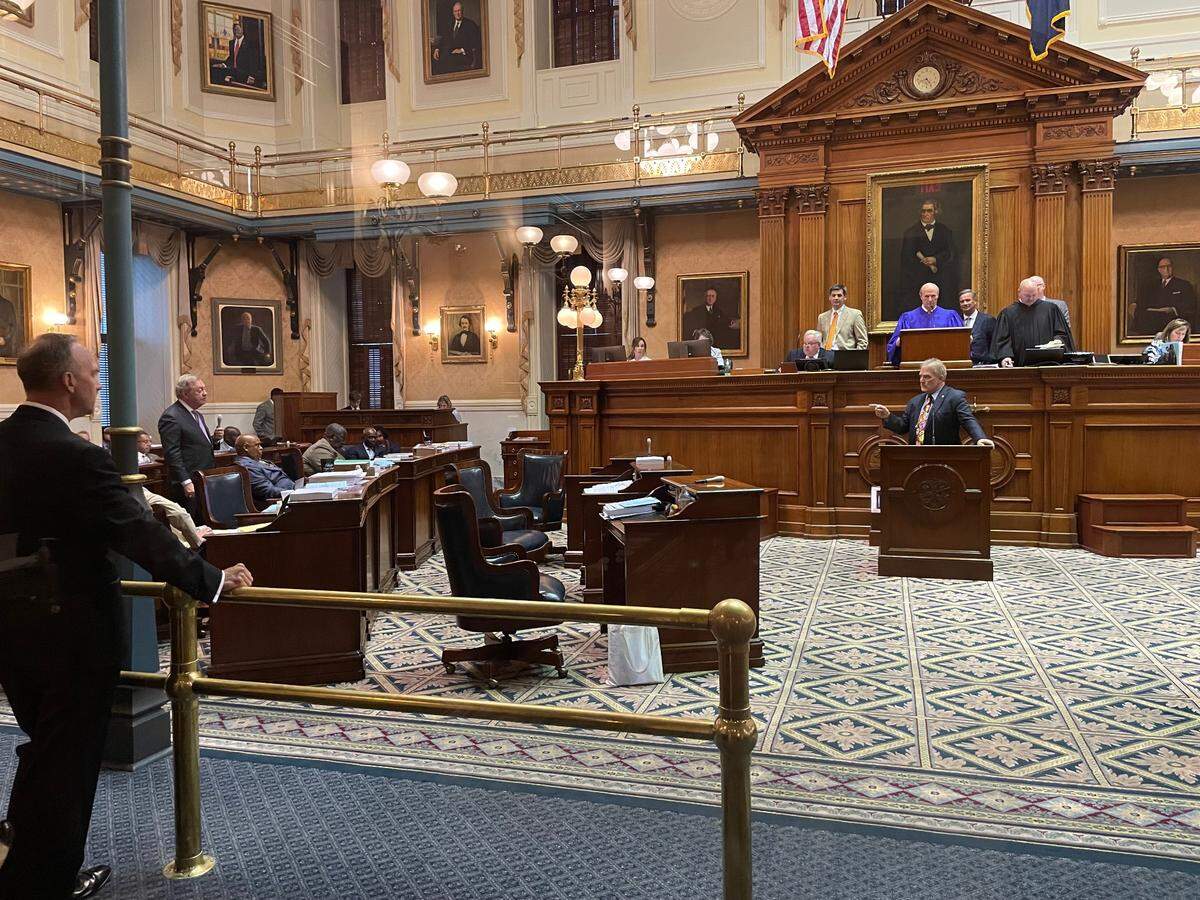
Senators took up the bill about 80 minutes before the end of this year’s regular legislative session, but couldn’t get it across the finish line due to a protracted showdown between two prominent Democrats that grew increasingly testy as time wound down.
In the end, Senate Minority Leader Brad Hutto, D-Orangeburg, who for the past week had used a procedural maneuver to single-handedly prevent the bill from being debated, prevailed by running out the clock.
Afterward, Sen. Dick Harpootlian, a Richland Democrat and outspoken proponent of overhauling the board, vowed to refile the bill in December so it could be taken up early next year.
“This is not going away,” Harpootlian said. “He bought six months, but I’m not going away on this issue and I think a number of us in this body are not going away.”
The sunk legislation would have shrunk the USC board’s size, changed its composition and forced a full reset of incumbent members by mid-2023.
Lawmakers have cited frustration over the university’s 2019 presidential hiring process and the hefty buyouts paid to two former athletic coaches as the primary catalysts for their desire to overhaul the board, reserving most of their vitriol for five board incumbents, including the chairman, whose candidacies for reelection they put on hold.
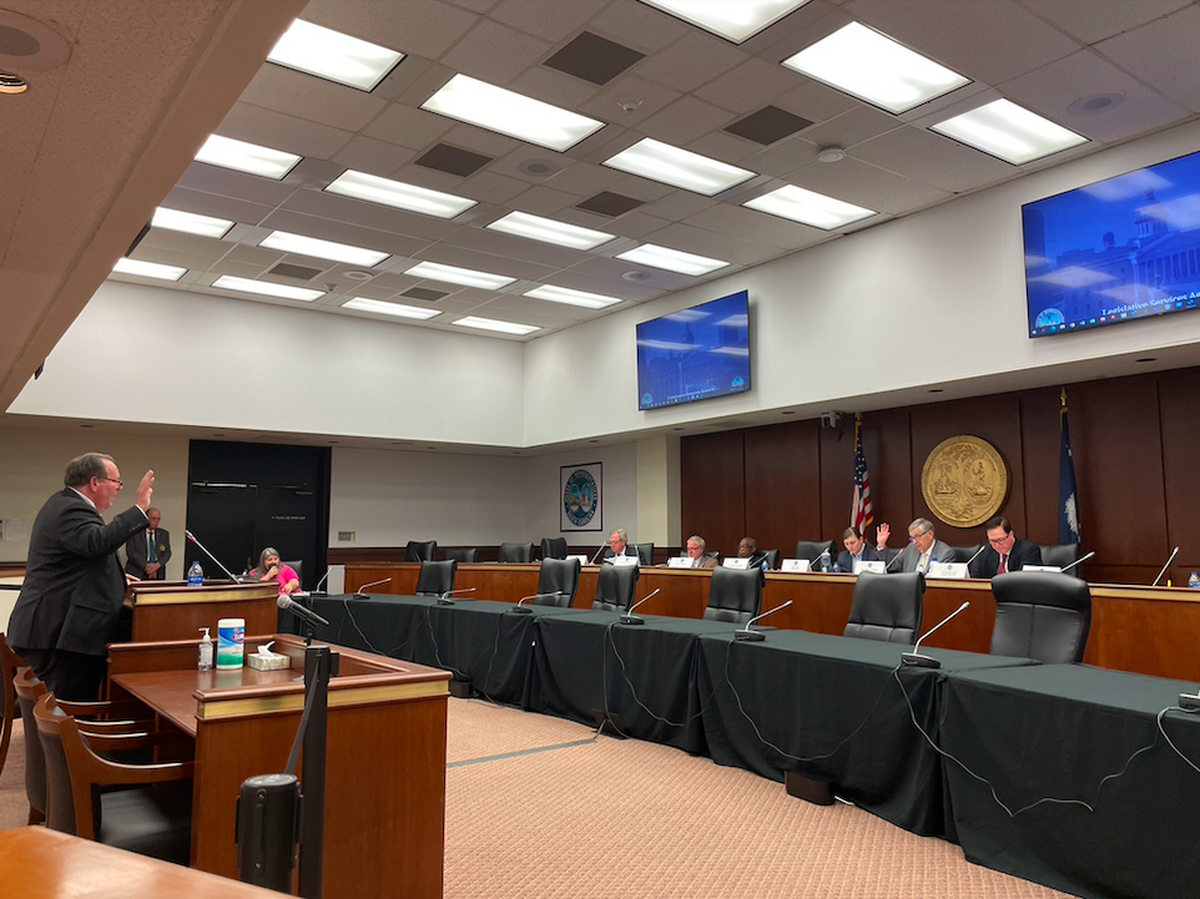
In March, the joint legislative panel that screens college trustees took the unprecedented step of sitting on the candidacies of the five USC trustees who are running unopposed for reelection because it viewed them as complicit in the board’s dysfunction and mismanagement.
.
How might USC board change?
The amended Senate bill would have shaved two trustees off the 20-member board and taken voting powers away from three ex-officio members, including the governor.
Presently, the board is composed of three ex-officio members — the governor, state superintendent of education and USC alumni president — 16 legislatively elected trustees from each of the state’s judicial circuits and one at-large gubernatorial appointment.
Under the Senate plan, two of the board’s voting members would be at-large gubernatorial appointments and the other 16 would be elected by the Legislature from the state’s judicial circuits.
The bill retained the governor as a board member, but removed his voting authority, and added USC’s student body president as a non-voting member. It would have eliminated the state superintendent of education and president of the university alumni association as voting members, while creating a non-voting seat for a member of the alumni association.
The House version of the bill reduced the USC board’s size even more than the Senate plan by lopping off two additional voting members for a total of 13. The governor would have appointed two at-large members and the General Assembly would have elected the remaining 11 board trustees.
Seven trustees would have been elected from each of South Carolina’s U.S. congressional districts and four at-large members would have been voted in from counties where the university has a branch campus. The at-large trustees would all have had to live in different counties and could not have lived in Richland County, according to the bill.
The governor, president of the alumni association and Columbia campus student body president would have been non-voting members under the House plan.
Both the House and Senate versions of the bill limited the appointed USC board chairman to no more than two two-year terms. The chair is not currently term limited.
Intra-party squabble doomed bill
When the USC board overhaul bill came up in the Senate late Thursday afternoon, there was little time to spare.
Senators had just over an hour to debate the newly amended bill and send it back to the House ahead of the 5 p.m. sine die deadline.
Even under ideal circumstances, voting out the bill and getting the House to act on it in such short order would have been a challenge.
With the Senate minority leader actively working to hold up the legislation, however, it proved too much to overcome.
It didn’t help that an amendment to the bill drafted earlier that morning after a meeting between a small group of senators left members of the upper chamber with numerous questions and concerns about the bill.
Harpootlian, who sits on the legislative screening committee that’s holding up the incumbent USC trustees, tried to assuage his colleagues’ doubts.
He fumed about the university board’s behavior and urged senators to act now, recalling how one longtime trustee “bragged” about getting unqualified students into the school and another acknowledged that an unappointed “cabal” of members had spearheaded the controversial hiring of former President Robert Caslen.
Harpootlian also criticized the board’s decision to pay multi-million dollar buyouts to former football coach Will Muschamp and men’s basketball coach Frank Martin.
“If we don’t take action, this university will continue to be mismanaged, money will be wasted, good people will be driven off,” Harpootlian told his colleagues. “We’ve got a new (university) president taking office ... Shouldn’t we give him a chance to be the president without the interference of these folks who have no regard for the law or for authority?”
Hutto said he appreciated the discussion and agreed that change needed to happen on the board, but did not plan to support the bill.
“It’s 20 minutes ‘til 5, it’s not gonna happen,” he calmly told Harpootlian. “It’s a good discussion for where we go next year.”
The Richland Democrat, who grew increasingly exasperated as it became clearer the bill was doomed, insinuated that Hutto’s opposition might be rooted in a conflict of interest.
Hutto’s law partner, Charles Williams, sits on the board and is one of the five trustees whose candidacy is being held up.
“Does that in any way affect your decision here?” Harpootlian asked Hutto. “You understand how that looks, do you not? That you’d be voting on and holding up a bill that would affect your law partner’s term on the board of trustees?”
Hutto said his relationship with Williams had not played into his decision to oppose the legislation, but rather it was concern about the potential elimination of board seats held by rural members.
After Harpootlian pointed out the amended bill would not eliminate any rural spots on the board, Hutto offered another explanation.
The House would never agree to the Senate’s plan anyway, he told Harpootlian, before embarking on a snarky monologue about his support for rural South Carolina and Harpootlian’s ignorance of rural areas.
Harpootlian, recognizing he’d lost the battle, got in one final zinger before sitting down.
“If you were running the war (in Ukraine),” he told Hutto, “they’d be speaking Russian in all of Ukraine right now.”
Afterward, the outspoken Richland Democrat said he respected Hutto but thought he should have recused himself.
“His law partner, lifelong friend is one of the board members who is affected by this,” Harpootlian said. “Clearly, I think that’s a conflict.”
Hutto again denied his relationship with Williams clouded his judgment and said he held up the bill because there was no consensus on how to restructure the board. Plus, he said, the House, which passed its own version of a USC board overhaul last month, was not going to take up the Senate’s plan anyways.
“We just weren’t going to finish anything on the last day of session,” he said.
What’s next for held-over trustees?
The College and University Trustee Screening Commission, an eight-member panel of state lawmakers that vets university trustee candidates, declined to advance the candidacies of five longtime University of South Carolina trustees earlier this year.
The committee carried over the candidacies of incumbent Chairman Dorn Smith, Vice Chairman Thad Westbrook and members Eddie Floyd, John von Lehe and Williams rather than give them an unfavorable report because the latter would not prevent them from being voted on, Harpootlian said.
“There’s a sense the board needs to be totally replaced through this legislation and these folks should not get a vote to even go to the floor to be voted on,” he said.
Former Gamecock basketball star Alex English, who last joined the board in 2020, was the only incumbent USC trustee whose candidacy the panel did not halt because it considered him less culpable than his board colleagues. In addition to English, the commissioners advanced the candidacies of six newcomers who are vying for two Upstate seats vacated by incumbents who declined to seek reelection.
The General Assembly will decide during a special session in June which of the six Upstate candidates will fill seats held by outgoing trustees Tony Lister and Mack Whittle, who represent the 7th and 13 judicial circuits, respectively.
The future of the five held-over incumbents is less clear, although they appear likely to remain on the board until at least July 2023.
Reporter Joseph Bustos contributed to this article.
This story was originally published May 14, 2022 at 5:00 AM with the headline "Clock runs out on USC board makeover bill, as Senate Democrats trade blows."