SC House passes new congressional map despite ongoing election, pending lawsuit
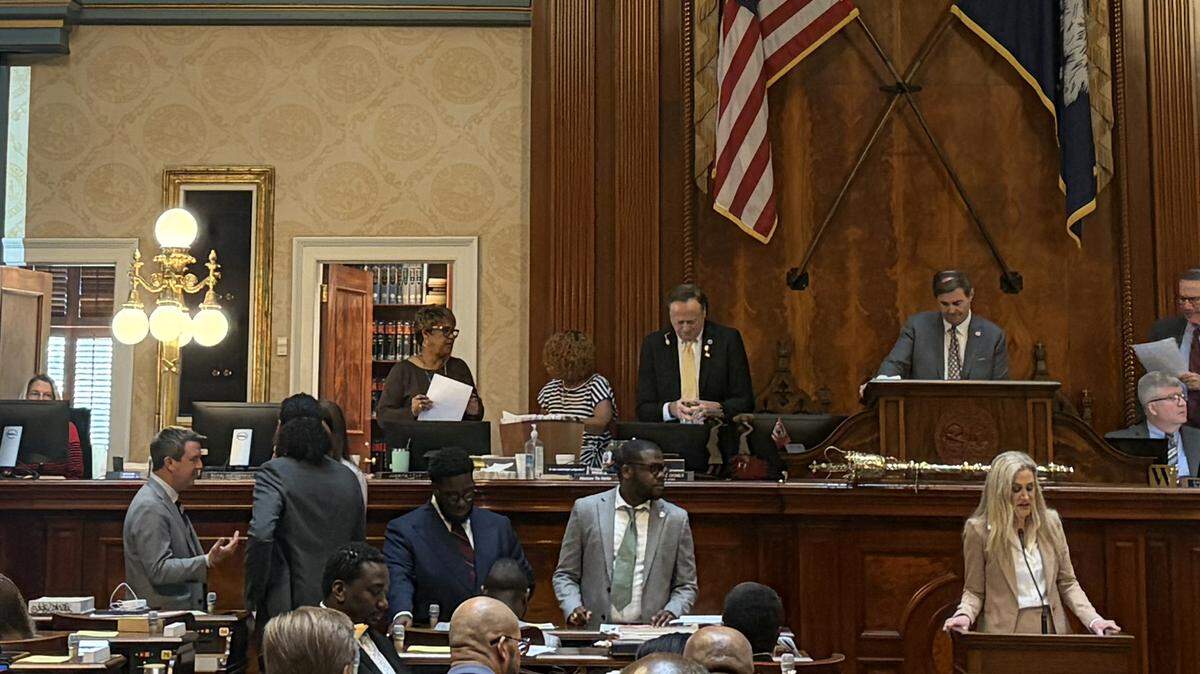
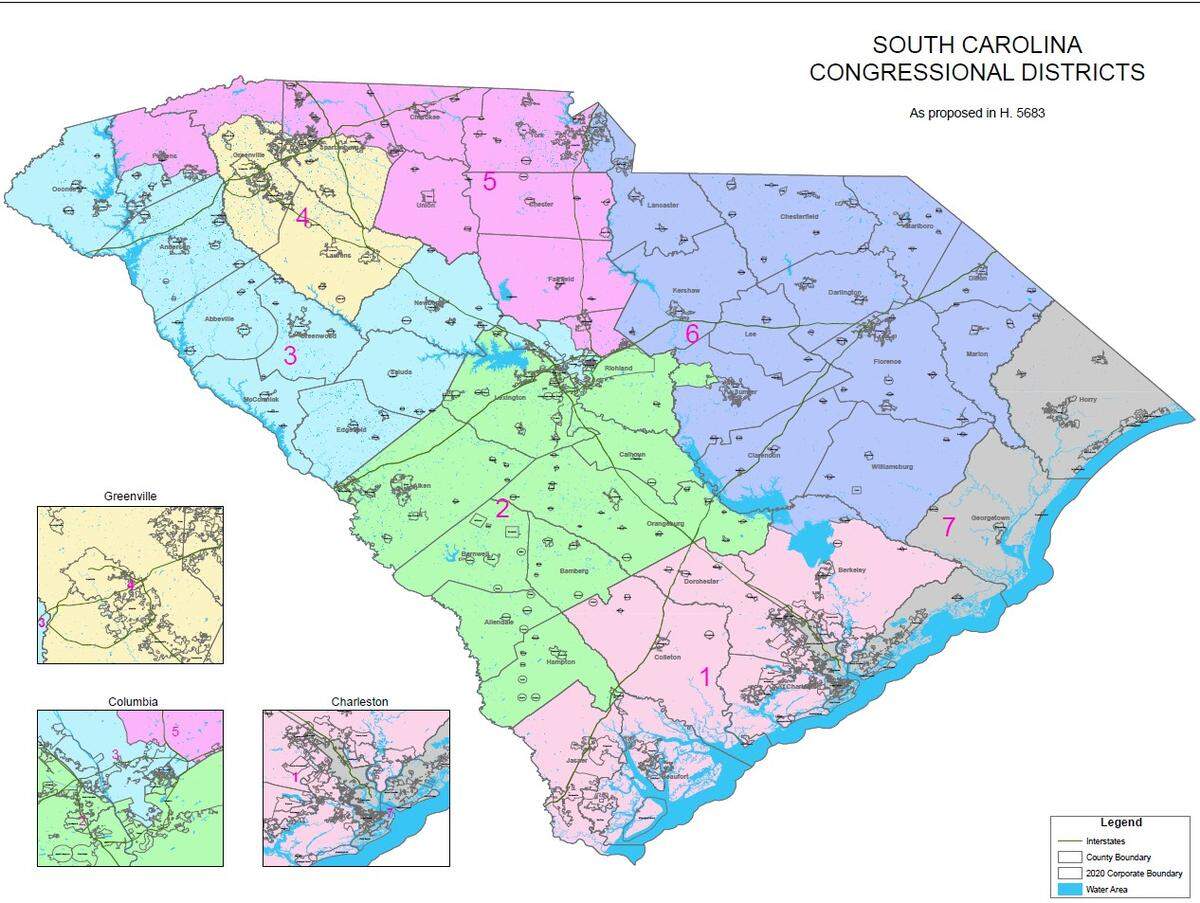
Despite objections over the expedited process to redraw congressional districts, the South Carolina House passed a new map aimed at electing seven Republicans to the U.S. House of Representatives in the 2026 midterms.
After just three days of floor debate, lawmakers opted against any changes to the proposed map. The proposal heads to the state Senate.
It took the reading clerk narrating detailed geographic data for more than three hours, a hastily adopted rules resolution that may have violated the open meeting law and dozens of failed amendments, but Republicans pushed the new map and election date through the lower chamber after midnight early Wednesday morning.
The proposal faces an uncertain future as the potentially more skeptical Senate still has to approve a map, a pending lawsuit could plunge the House’s actions into question and voters head to the polls for early in-person voting in less than a week with current congressional district elections on the ballot. More than 2,000 absentee ballots have already been returned.
The bill, which passed 74-37 on the final vote, pushes congressional elections to Aug. 18 and necessary runoffs to Sept. 1. Statewide, state House and local elections would still be held June 9.
“The balance of power in Congress is incredibly narrow, and what we do today could ensure that Republican majority,” said state Rep. Luke Rankin, R-Laurens, who is the lead sponsor on the redistricting bill.
Four Republicans voted against changing the state’s congressional map and moving the election: State Reps. Nathan Ballentine, R-Richland, Tom Hartnett, R-Charleston, Dennis Moss, R-Cherokee, and Heath Sessions, R-York.
“I think that in South Carolina we have taken a turn for the worse, and I say we turn for the worse because there used to be a time when the members in here decided to do the right thing, what they believe to be the right thing,” state Rep. Jermaine Johnson said before Tuesday’s vote.
Two weeks ago, House Republican leaders announced the lower chamber would attempt to redraw the state’s congressional maps, just over a month before the June primary elections. President Donald Trump and White House staff asked South Carolina to look at redrawing maps with the intention to create seven districts favoring Republican candidates and oust U.S. Rep. Jim Clyburn.
Clyburn represents the state’s congressional district with the highest Black voting age population.
The proposal also follows a recent U.S. Supreme Court decision that struck down a Louisiana congressional map, which ignited redistricting talks in several Southern states.
Gov. Henry McMaster called the General Assembly back to allow lawmakers finish the state’s budget and take up redistricting less than an hour after both chambers adjourned for the year Thursday. McMaster previously said he did not anticipate a special session as he waited to see if legislature would take up redistricting on its own.
The Senate will begin its first formal day of the special session Wednesday, when it has a scheduled Judiciary Committee meeting to debate redistricting. The committee plans to hear input from the public. The meeting was announced around 2 p.m. Tuesday, before the redistricting bill passed the House. How quickly the bill moves out of the committee, remains to be seen.
State senators have been told, however, to be prepared to be in session Thursday, Friday, Saturday and Monday, according to the senate clerk’s office.
House Republicans voted to accelerate debate on the new congressional map, including limiting the time each member could talk, Monday evening after a speedily held Rules Committee meeting. Democratic lawmakers were frustrated with the change after members filed hundreds of amendments in the first days of the special session.
The League of Women Voters of South Carolina and the ACLU of South Carolina filed a lawsuit in state circuit court Tuesday alleging the Rules Committee meeting violated open records law.
Reapportionment is required once every 10 years after the census to account for population growth and movement around the state. The process typically takes many months to complete. However, Trump has been pushing Republican-led states to redraw their maps in order to stave off expected midterm losses in November. Democratic-led states have responded in kind.
A November Winthrop 2025 poll surveying more than 1,400 South Carolinians found 54% of respondents opposed either party using middecade redistricting to gain an advantage.
New rules passed for third day of redistricting debate
Before the new rules were imposed, lawmakers worked through nine amendments Monday. On Tuesday, with the new rules in place, the House heard 31.
“Last night at 8 o’clock, we developed a rules change that the Republicans forced down our throats, so that they could continue to disenfranchise South Carolinians,” said House Minority Leader Todd Rutherford, D-Richland.
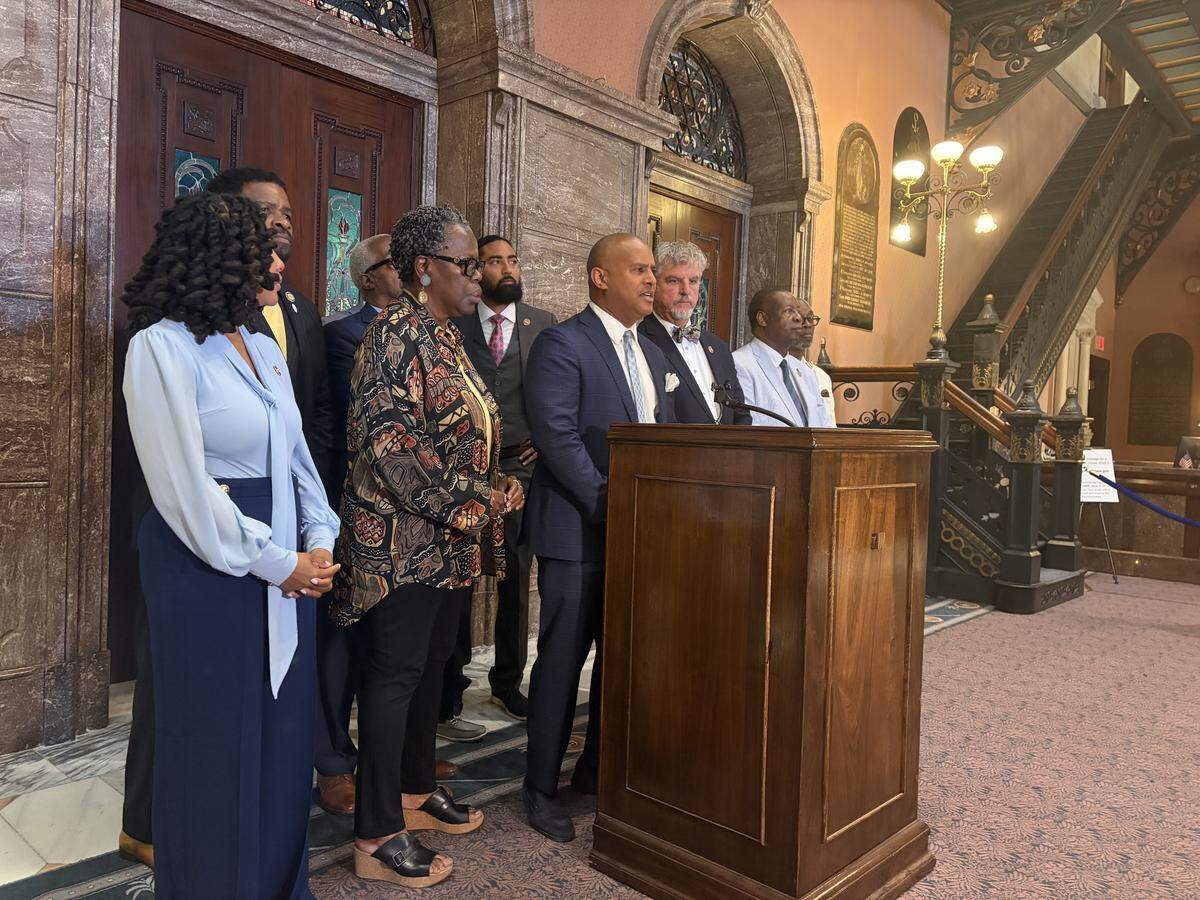
Before the third day of special session began, the South Carolina Legislative Black Caucus opposed the rule changes.
“The questions that we had as members on the minority side, our voices were silent, but that’s okay,” said state Rep. Annie McDaniel, D-Fairfield. “If they were silenced over there because there was no legislative due process, they will not be silenced when we hit the streets.”
“If a war is to happen, then we are ready, and if I am to be that leader, I will accept the charge, because we will not stand utterly by and watch our freedom go back,” McDaniel said.
House leaders said Democrats were just aiming to waste time Monday, rather than work through amendments.
“To those who are willing to be intellectually honest, you know that the suggestion that this resolution prevented debate is empty,” Caskey said on the floor Tuesday. “It preserved debate. It preserved amendment opportunities, and it also gave the House a path to a decision, and that’s important, because yesterday showed why more structure was necessary.“
The rules for the third day of special session, which quickly passed Monday, include:
- Each lawmaker was allowed to only sponsor one amendment
- A proponent of each amendment was allowed to only speak for three minutes to explain the proposed change. Opponents were allowed to also speak for up to three minutes against the amendment
- After amendments, lawmakers had 10 minutes to speak on the redistricting bill
- Debate was barred on the perfunctory third reading of the redistricting bill
- If the Senate returns the map bill with its own changes, only the House Majority and Minority leaders can propose one amendment each. Lawmakers can debate each amendment for one hour.
- Lawmakers could not ask to adjourn within five hours of a failed motion to call it a day
The new rules didn’t mean Tuesday session moved quickly. House lawmakers presented amendments for about five hours and spoke on the bill for more than four hours. Then, state Rep. Rosalyn Henderson-Myers, D-Spartanburg, asked the reading clerk to read the entire bill, which included pages of geological data about the districts.
Lawmakers listened to a reading of the entire 110-page bill for more than three hours, beginning around 9 p.m. and wrapping up to a round of applause at 12:18 a.m.
Earlier in the day, Democratic lawmakers presented 31 amendments over about 5 hours. After speaking for a few minutes, each amendment was voted down.
One of the amendments tweaked the proposed congressional map. Others created new rules for how maps could be drawn, including preventing fragmentation of Midlands counties. Another would require the state to pay for the cost of additional primary elections in August.
State Rep. Roger Kirby, D-Florence, told lawmakers it would cost Richland County alone more than $442,000 to run an extra primary election. The Election Commission estimates it will already cost the state $3.5 million to run an extra election, on top of the county costs.
Johnson, who is running for governor, took the well to oppose some Democratic amendments, repeatedly saying “we don’t believe in transparency.” His speeches opposing amendments further delayed a vote on the new maps.
“Transparency makes too much sense here,” Johnson said sarcastically. “If we increased transparency, it might increase the participation in the civic process.”
Democratic lawmakers spoke about their concerns Friday, Monday and Tuesday afternoon after reading through all proposed amendments. Several worried about the cost of running an additional election, voter disenfranchisement and the lack of South Carolina involvement in drawing the new map.
More than 2,110 absentee ballots where residents could vote on the current congressional candidates have already been cast, according to the state Election Commission. More than 11,200 have already been mailed out.
If a new map goes into effect in 2026 and congressional elections are delayed, the current districts will still appear on the June ballot, according to Election Commission testimony last week.
Among those in the chamber Tuesday was Lt. Gov. Pamela Evette, who has defended the state’s move to try to redraw districts. Evette is running for governor.
Evette also was in the Senate chamber when members of the upper chamber voted on whether to allow a debate on redistricting without the governor calling lawmakers back for a special session. She was seen speaking to senators but ultimately not enough were convinced to take it up.
“(The House) is back in session. We need to get this done, for the good, not just the people of South Carolina, but the good of this nation,” Evette said Tuesday.
Republican lawmakers didn’t propose any amendments Tuesday, but several spoke in favor of redistricting. State Rep. Robby Robbins, R-Dorchester, said the proposed map improves economic development opportunities for his constituents. State Rep. Melissa Oremus, R-Aiken, said the new map expands representation for people in the current 6th District.
“The people that have been trapped in the 6th [Clyburn’s district] now have an opportunity to make their voices heard, and no matter how many dramatic speeches are made this week, every eligible voter in South Carolina will have the same constitutional right,” Oremus said.
This story was originally published May 20, 2026 at 4:30 AM with the headline "SC House passes new congressional map despite ongoing election, pending lawsuit."