Evette vs. Wilson: Where SC’s final GOP governor hopefuls stand on issues
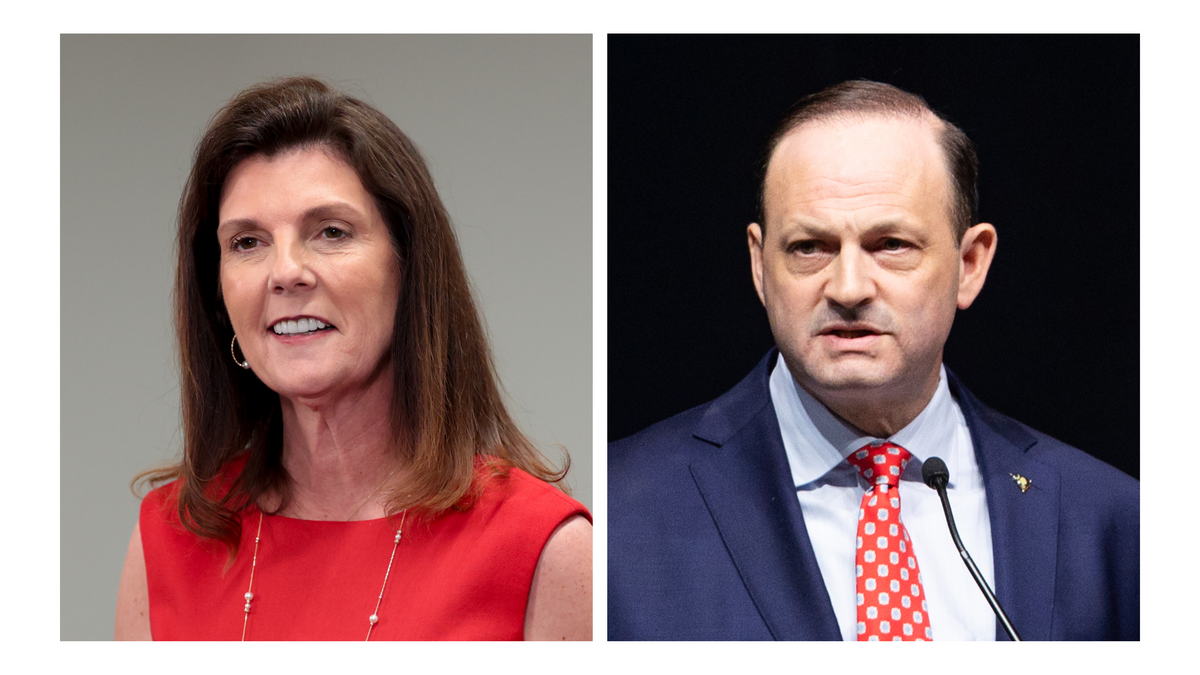
With Tuesday’s Republican runoff for South Carolina governor approaching, voters comparing Lt. Gov. Pamela Evette and Attorney General Alan Wilson will find two candidates who share much of the same policy territory — eliminating the state income tax, bringing DOGE-style reform to South Carolina and backing President Donald Trump — but who differ in approach, timing and governing style.
Here’s a side-by-side look at where the two stand on the issues most likely to decide your vote.
Eliminating the state income tax
Both candidates want to wipe out South Carolina’s income tax. How they’d get there is where they part ways.
Evette has framed elimination as an early-term priority, telling supporters at a Greenville forum she would eliminate the state income tax in her first 100 days. She later clarified to reporters that eliminating the state income tax would be a priority she would work on in her first 100 days.
Her approach leans on her business background: use technology to make state government more efficient, rein in spending growth and cut regulations.
“We cannot hire enough people to outpace our growth,” Evette said. “And if we do, that’s a recipe for disaster.”

“If we could keep growth going, if we could rein in spending, if we can run efficiently, there’s not one silver bullet, but I have the business background and knowledge to be able to get us there,” she added.
Wilson is pitching a formula. His plan would cap state budget growth at the rate of inflation plus population growth. If population indexed to inflation rises 3%, spending could grow 3% — and revenue above that cap would be returned to taxpayers as a tax cut, phased in over six to 12 years.
“We are spending 3.3% faster than we are growing as a state indexed by population,” Wilson said in an interview in Greenville. “In South Carolina, we don’t have a revenue problem. We have a spending problem.”
Wilson’s campaign, citing Americans for Tax Reform and the South Carolina Policy Council, says that had the state applied his cap over the past decade, it would have saved $19.7 billion — money that could have funded a tax cut. He acknowledges core functions can’t be starved.
“You don’t want to cut streams of revenue that fund vital core functions of government, like public safety, infrastructure spending at DOT, for instance, energy grid expansion,” Wilson said.
The contrast: Evette is selling speed and executive efficiency; Wilson is selling a budget formula designed to outlast any one administration.

Abortion and Senate Bill 1095
Both candidates would veto S. 1095, the restrictive bill that would ban nearly all abortions except when the mother’s life is at risk and impose criminal penalties on doctors and women.
“S. 1095 has gone too far,” Evette said at the April 21 debate, saying she would veto it.
Wilson also said he would veto the bill, arguing the state should reform foster care and adoption first.
“This is an issue, I believe, because it’s so emotional, is so divisive that we must recognize the reality of the environment that we’re in, that in dealing with policies and approaching issue like abortion, we must have compassion for the unborn and the mother,” Wilson said. “We must build consensus for everyone moving forward and apply common sense.”
No contrast: For primary voters who consider S. 1095 a litmus test in either direction, the two candidates land in the same place.
Data centers and ratepayer protection
Data centers — and who pays for the electricity and water they consume — has emerged as a sharp issue.
Evette draws a hard line on ratepayers.
“Any data center that wants to move into a neighborhood has to bring whatever alternate energy they need or cover the added expense to the ratepayers in the area,” she said at the April 21 debate. “We must always protect our water for our farmers.”
She added that “the final say should come to the people. People in local communities should have the final say of who they want their neighbors to be.”

Wilson takes a more conditional position. He says local communities should decide whether to allow data centers, but he wants to incentivize them to lessen environmental impact and put unused electricity back on the grid to help lower utility rates.
“I support President Trump’s position that data centers are a national security issue, they’re going somewhere, whether it’s China or other states, they are going somewhere, and like the road networks of 100 years ago, data centers are the infrastructure for the new innovative technologies of the future,” Wilson said in the May 26 debate.
The contrast: Evette would require data centers to cover their own costs from the start; Wilson would court them with conditions and treat them as strategic infrastructure.
Hate crime law
The two diverge on whether South Carolina — one of two states without a hate crime law — needs one.
Evette opposes a new law, echoing Gov. Henry McMaster’s stance that “every crime is a hate crime” and that the issue is prosecution, not new statutes.
Wilson would support a compromise version structured as a sentencing enhancement rather than a separate principal crime — meaning prosecutors wouldn’t have to prove hate as an element of the underlying offense.
“It’s a bill that I’m willing to sit down with people and talk about,” Wilson said, adding he had consulted sheriffs and prosecutors to make sure law enforcement wouldn’t be burdened.
The contrast: Evette would oppose new law, Wilson would support enhanced sentences.
Working with the General Assembly
Because South Carolina’s governor has limited power compared to the Legislature, how each candidate would handle lawmakers matters as much as their policy lists.
Evette calls McMaster a mentor and plans to continue his “communicate, collaborate and cooperate” approach.
“I have spent my time as lieutenant governor up in the General Assembly, making relationships, garnering their respect and getting their respect, and that’s how I will be as governor working with the General Assembly to get things done, because people are tired of tuning in their TVs and seeing how little gets done for Washington with everybody fighting,” Evette said.
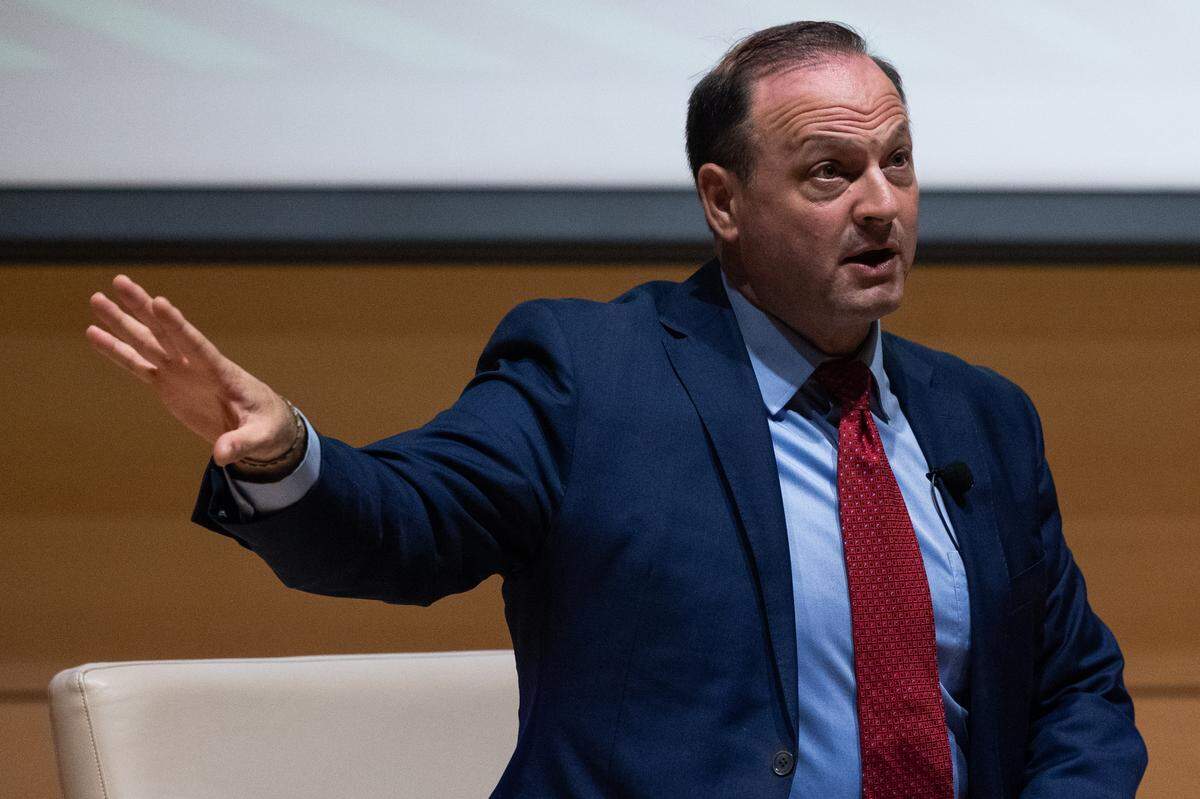
Wilson frames leadership as persuasion backed by a willingness to fight when necessary. He says he’s met with the Republican, Democratic and Freedom caucuses and expects to find agreement, compromise — and, sometimes, neither.
“Leadership is the ability to get people to do what you want them to do, because they want to do it,” Wilson said at a State House news conference. “If you want to come into the South Carolina Legislature, where you would probably have 75 to 80% support, and you want to come down and beat people over the heads with your agenda, without giving them buy in, without bringing them to the table, without building consensus, you’re not going to be a successful governor.”
But Wilson also said he’d fight when positions can’t coexist: “I will put on the mantle of the boxer. We will get into the boxing ring of ideas, and we will duke it out. Whichever one of us wins, I will get back out and be your friend again.”
The bottom line for Tuesday: Evette is offering continuity with the McMaster style and a fast-start executive agenda. Wilson is offering a structural budget formula and a more confrontational posture when needed. On abortion’s most restrictive bill, they agree. On data centers, hate crimes and how to talk to lawmakers, they don’t.
The summary points above were compiled with the help of AI tools and edited by journalists. The full story in the link at top was reported, written and edited entirely by journalists.

This story was originally published June 22, 2026 at 5:00 AM with the headline "Evette vs. Wilson: Where SC’s final GOP governor hopefuls stand on issues."