Planes are dropping rabies vaccines in North Carolina and other states. Here’s why
It’s that time of year again — state and federal officials are dumping rabies vaccine packets from planes across the Southeast.
In an effort to curb rabies among wild animal populations in Western North Carolina, the N.C. Department of Health and Human Services announced Oct. 3 in a news release that its annual vaccination campaign would begin this month. NCDHHS and the U.S. Department of Agriculture teamed up to drop bait with oral vaccine tablets inside to “prevent the spread of rabies,” officials said.
“Avoiding contact with wild animals and vaccinating our domestic animals and pets is the best way to prevent rabies, which can often be fatal,” NCDHHS deputy state public health veterinarian Erica Berl said in the release. “The wildlife rabies vaccination program prevents the spread of rabies among animals in the wild, which in turn prevents humans, pets and other animals from becoming infected.”
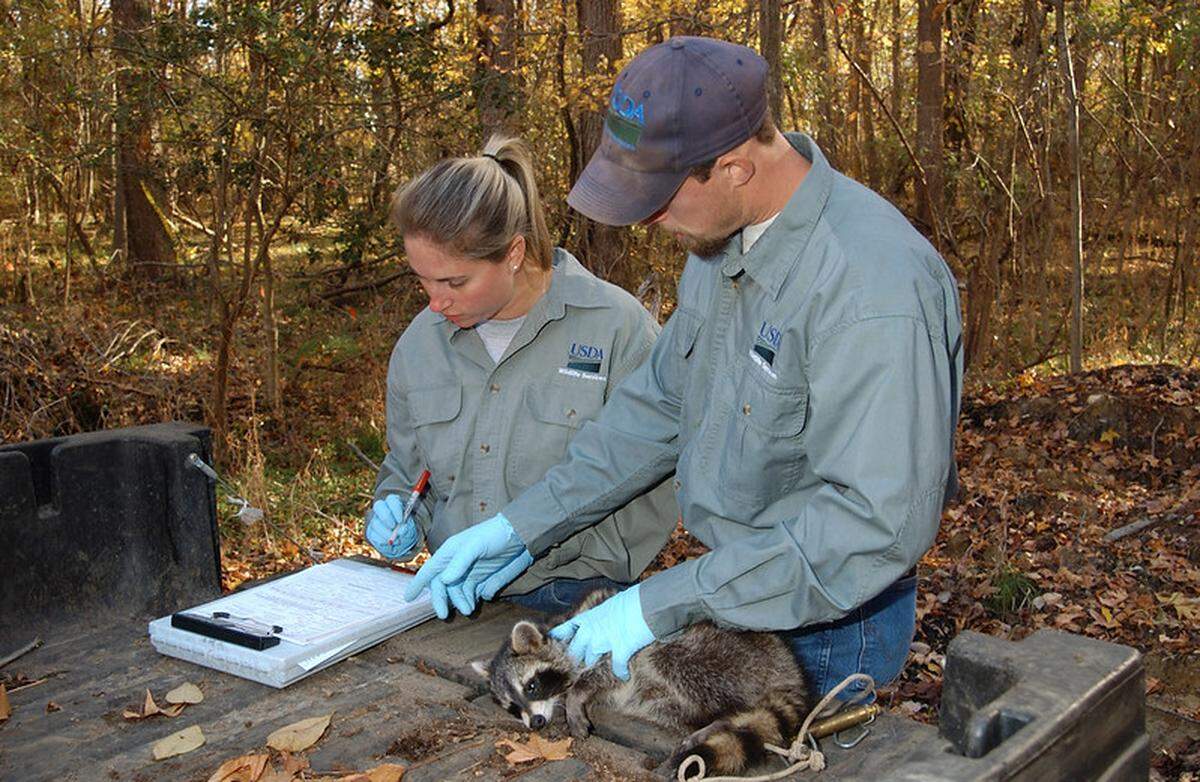
To widely distribute the vaccines among wild animals, officials will use airplanes to drop the vaccine-laced bait in rural areas, according to an Aug. 4 USDA news release. Helicopters, bait stations and other vehicles will be used in urban areas.
In North Carolina, the tablet drop began Oct. 4 in Alleghany, Ashe, Buncombe, Cherokee, Clay, Graham, Haywood, Henderson, Jackson, Madison, Macon, Mitchell, Swain, Transylvania, Wilkes and Yancey counties, according to NCDHHS.
Vaccines will be dropped in Georgia, Tennessee, Alabama and Virginia as well, according to USDA officials.
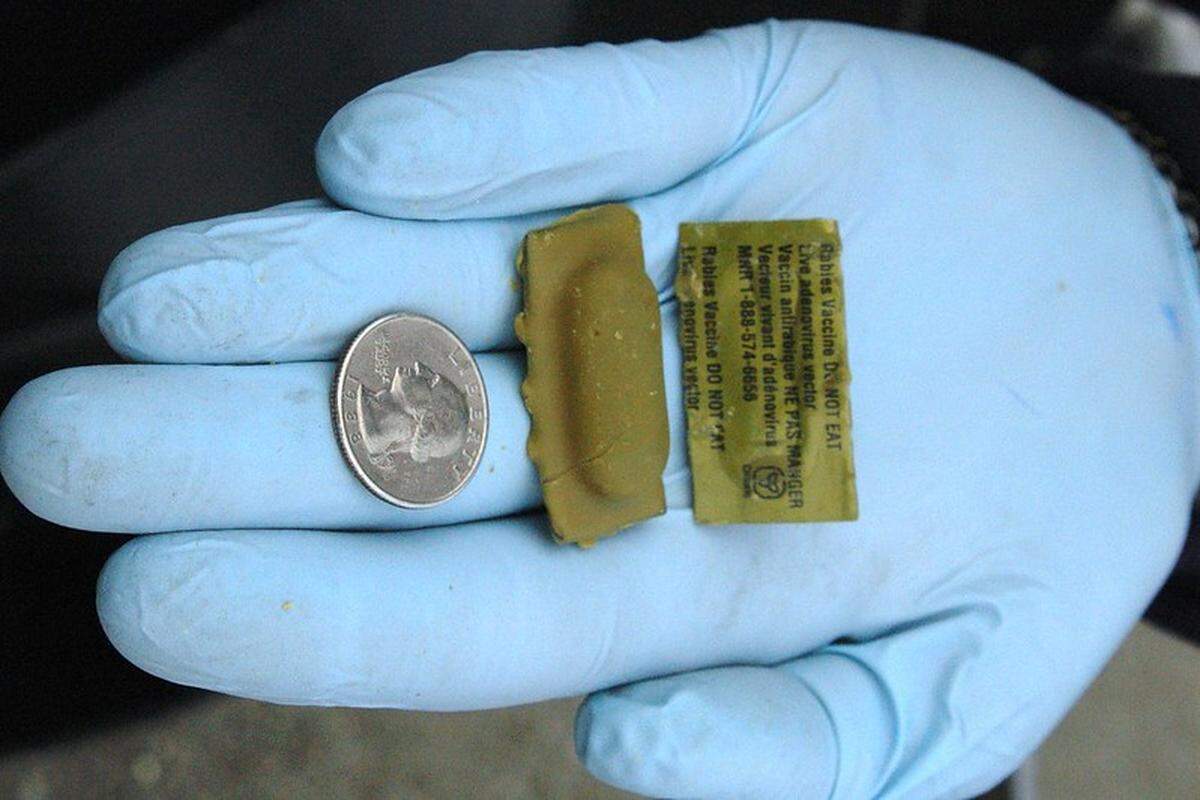
The oral vaccine will be in a plastic satchet, according to NCDHHS officials. To make wild raccoons interested in the bait, the packets were coated in fishmeal.
“When a raccoon bites into a bait, the vaccine packet is punctured, and the animal is exposed to the vaccine,” the release said. “This activates the animal’s immune system to produce antibodies that provide protection against rabies infection.”
NCDHHS expects the vaccine dumps to end around late October.
On average, the U.S. government spends around $500 million every year for “rabies detection, prevention and control,” USDA officials said.
Although the vaccine baits are generally considered safe, the NCDHHS included a list of precautions and best practices in case a person or pet encounters them:
- If you touch one of the vaccines, thoroughly wash your hands with soap and water and contact the phone number listed on the bait.
- Leave baits where you found them unless it is on your lawn or driveway. If you need to remove the bait from those areas, it is recommended to wear a glove.
- Do not remove an oral vaccine from your pet if they ingest it, because you could be bitten in the process. The vaccines are safe for animals to consume, but eating multiple of them could upset your pet’s stomach.
- Tell children not to touch the baits, and if they ingest the vaccine, call 1-866-4-USDA-WS.
What to know about rabies
Rabies is considered to be a “fatal but preventable viral disease,” according to the Centers for Disease Control and Prevention. Rabies are mostly found in wild mammals such as raccoons, bats, foxes and skunks.
North Carolina law requires that all cats, dogs and ferrets are vaccinated for rabies by four months old, and that they continue to get their yearly vaccination throughout life, according to NCDHHS.
It is transmitted through direct contact with saliva, which is typically through a bite, the CDC said. If someone has been bitten by a wild or unfamiliar animal, the CDC highly recommends that person go see a doctor as soon as possible.
This story was originally published October 6, 2023 at 2:05 PM with the headline "Planes are dropping rabies vaccines in North Carolina and other states. Here’s why."