What exactly is a ‘deepfake’ and does NC ban its use? Here’s how the practice is harmful
Since the introduction of ChatGPT last year, artificial intelligence tools are more accessible than ever.
The technology can be used to explain complex topics, debug code, translate text, and write everything from poems to term papers.
But some are using AI to create a relatively new phenomenon: deepfakes.
An AI deepfake image of Pope Francis wearing an ankle-length white puffer coat went viral in April, Bloomberg reported. Though many found the picture comical, deepfake technology can be used for far more sinister purposes.
Here’s what you need to know about deepfakes, laws surrounding them in North Carolina and how to keep your photos from being shared without your consent.
What exactly is a deepfake?
According to the Sloan School of Management at the Massachusetts Institute of Technology, a deepfake is a “specific kind of synthetic media where a person in an image or video is swapped with another person’s likeness.”
How does deepfake technology work?
Deepfake technology uses machine learning to “replace the face of one person with the face of another,” the UNC School of Law says. It does so by:
Gathering photos of a person
Choosing a video to manipulate
Using software to do the rest
There are many different softwares that can be used to create deepfakes, with one downloaded more than 100,000 times less than a month after its release, according to the school.
How is deepfake technology used?
Deepfake software is most often used to put celebrities’ faces on different characters, according to the UNC School of Law.
However, the technology is also being used to put their likeness over the faces of adult film actors in pornographic videos, the school says — and the software is mostly used to create images of women.
A 2019 study from Deeptrace, a cybersecurity company, found that 96% of deepfake videos online feature nonconsensual pornographic images of women.
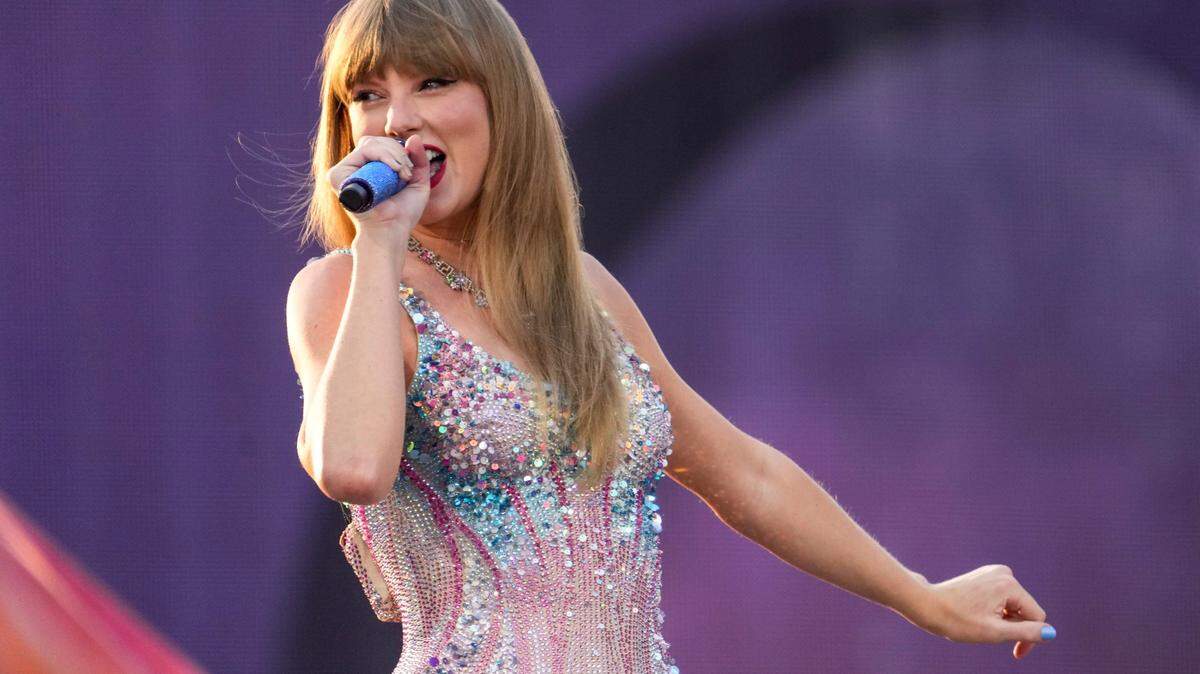
Earlier this year, deepfake pornographic images of Taylor Swift were shared by thousands of users on X (formerly Twitter), but the images were eventually removed, The New York Times reported.
Who could be in deepfake images or videos?
Since the software works on anyone’s face, images of anyone with clear photos of themselves online can be featured in deepfake videos, the UNC School of Law warns.
Does NC ban the use of deepfakes?
There are currently no laws on the books that ban the use of deepfakes in North Carolina, but the state does prohibit the distribution of nonconsensual pornography.
The law makes it illegal to “knowingly disclose an image of another person with the intent to coerce, harass, intimidate, demean, humilate or cause financial loss to the depicted person.”
Those 18 years of age or older who are found guilty of breaking the law can be charged with a class H felony, punishable by up to 25 months in prison. For minors, the charge would be a class 1 misdemeanor, punishable by up to 120 days in jail.
How to protect yourself from deepfakes
Here are some ways you can protect your photos from being used for deepfakes, according to the National Cybersecurity Alliance:
- Be cautious about what you share online: Limit the information you share about yourself online, including high quality photos that could be used to create deepfakes.
- Use strong privacy settings: You should use privacy settings on social media sites to control who accesses your personal information and content.
- Watermark photos: You can use a watermark on your photos to prevent deepfake creators from using your content, since it makes it easier to track them. There are free apps available, such as Visual Watermark and Watermarkly.
- Protect your accounts: Whenever possible, use multi-factor authentication and strong passwords to prevent deepfake creators from gaining access to any of your social media accounts.
This story was originally published February 15, 2024 at 7:02 AM with the headline "What exactly is a ‘deepfake’ and does NC ban its use? Here’s how the practice is harmful."