Have you noticed new pedestrian beacon crosswalks at NC intersections? Here’s what to do
As cities across North Carolina look to make their streets more walkable, a different kind of traffic signal is being installed to keep pedestrians safe — but some drivers are unsure of what to do when they approach them.
A Charlotte resident posted to Reddit this week about their frustrations with drivers “backing traffic up” on South Boulevard when they approach those signals.
“I think the underlying issue is that it’s unclear what you’re supposed to do at these things,” one commenter wrote.
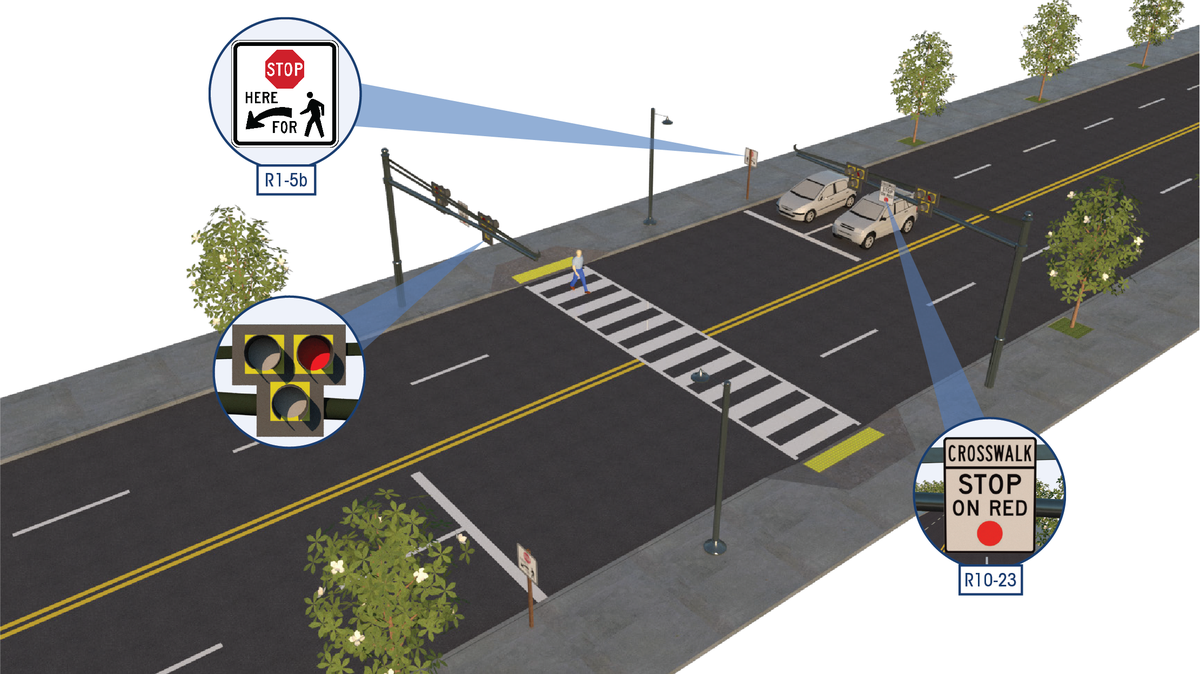
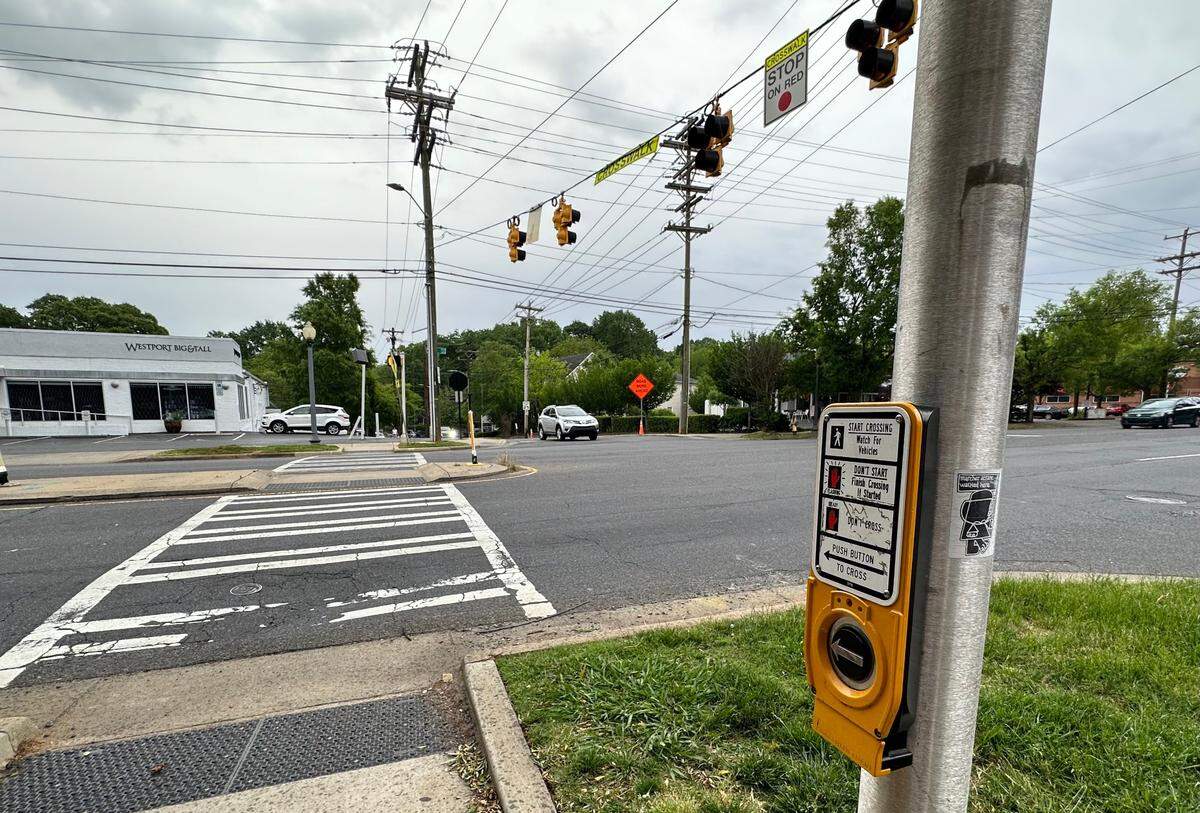
The traffic signals, called pedestrian hybrid beacons (PHB) are traffic control devices designed to help pedestrians safely cross busier intersections, according to the U.S. Department of Transportation.
There are several PHBs in Charlotte that are maintained by the city, on high-traffic streets like South Boulevard, Sharon Amity Road and Albemarle Road.
The previous Manual for Uniform Traffic Control Devices (MUTCD) recommended these be 100 feet from stop-controlled side streets, an NCDOT representative told The Charlotte Observer in an email, but that’s not the case in the new MUTCD.
“While not required, we typically try to have these implemented as midblock crossing treatments,” the representative said. “If they’re too close to a side street, vehicles approaching from the side street may not see the beacon heads.”
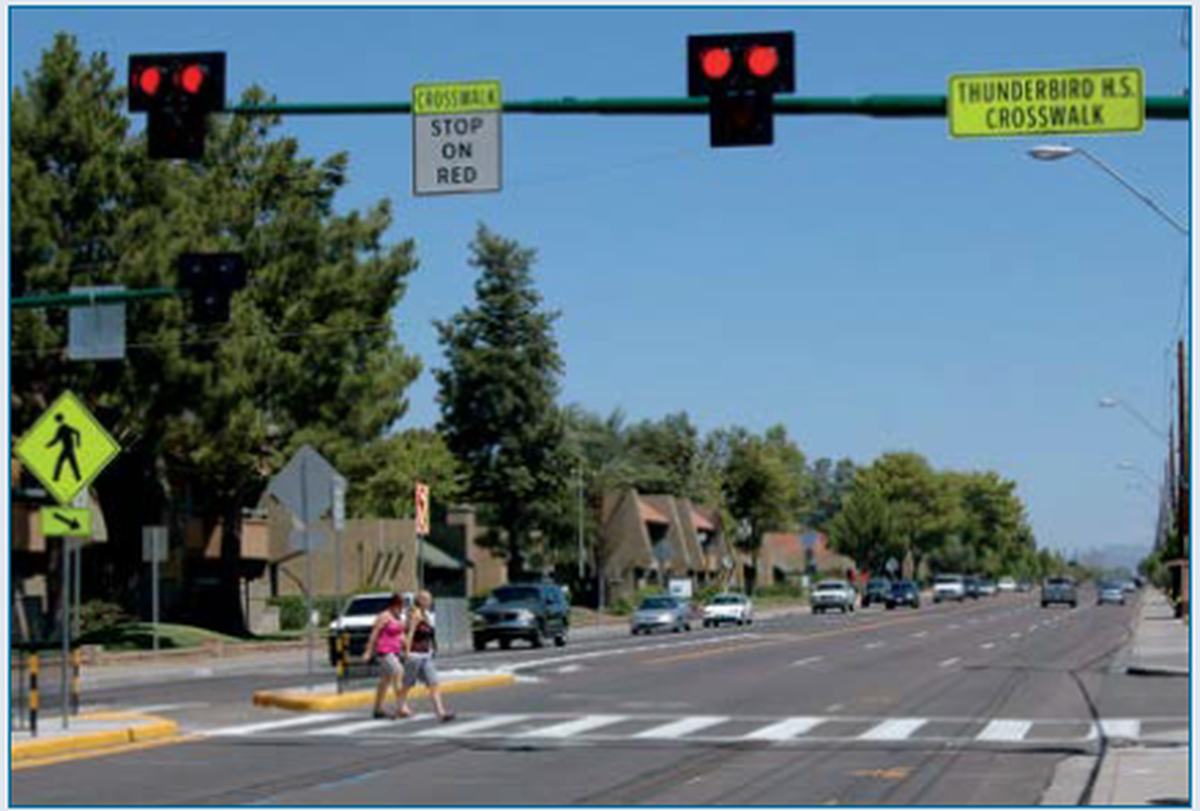
PHBs are installed where there are marked crosswalks and pedestrian countdown signals, and consist of six light intervals that direct drivers.
What do the signals on pedestrian hybrid beacons mean?
Here’s what the signals on PHBs mean, according to the N.C. Department of Transportation:
No lights: Proceed normally until the signal is activated.
Flashing yellow light: Slow down, since a pedestrian has activated the signal.
Steady yellow light: Be prepared to stop if it is safe to do so.
Steady red light: Stop.
Flashing red light: Stop first, then proceed with caution if no pedestrians are in the crosswalk.
No lights: Proceed normally until the signal is activated.
Are pedestrian hybrid beacons effective?
Studies show that PHBs can significantly reduce crashes.
A 2011 study from the Federal Highway Administration revealed that PHBs can reduce pedestrian crashes by 69% and total crashes by 29%.
“Because PHBs remain dark until activated, they can help increase driver attention to pedestrians crossing the roadway, and can reduce rear-end collisions,” USDOT says. “The PHB provides a clear message that motorists must stop and allow pedestrians to cross the street.”
Editor’s note: This story has been updated with more information about where pedestrian beacons are located in Charlotte.
This story was originally published March 1, 2024 at 10:43 AM with the headline "Have you noticed new pedestrian beacon crosswalks at NC intersections? Here’s what to do."