Buzz off, mosquitoes! Here’s why you could see more after the storm (+ what to do)

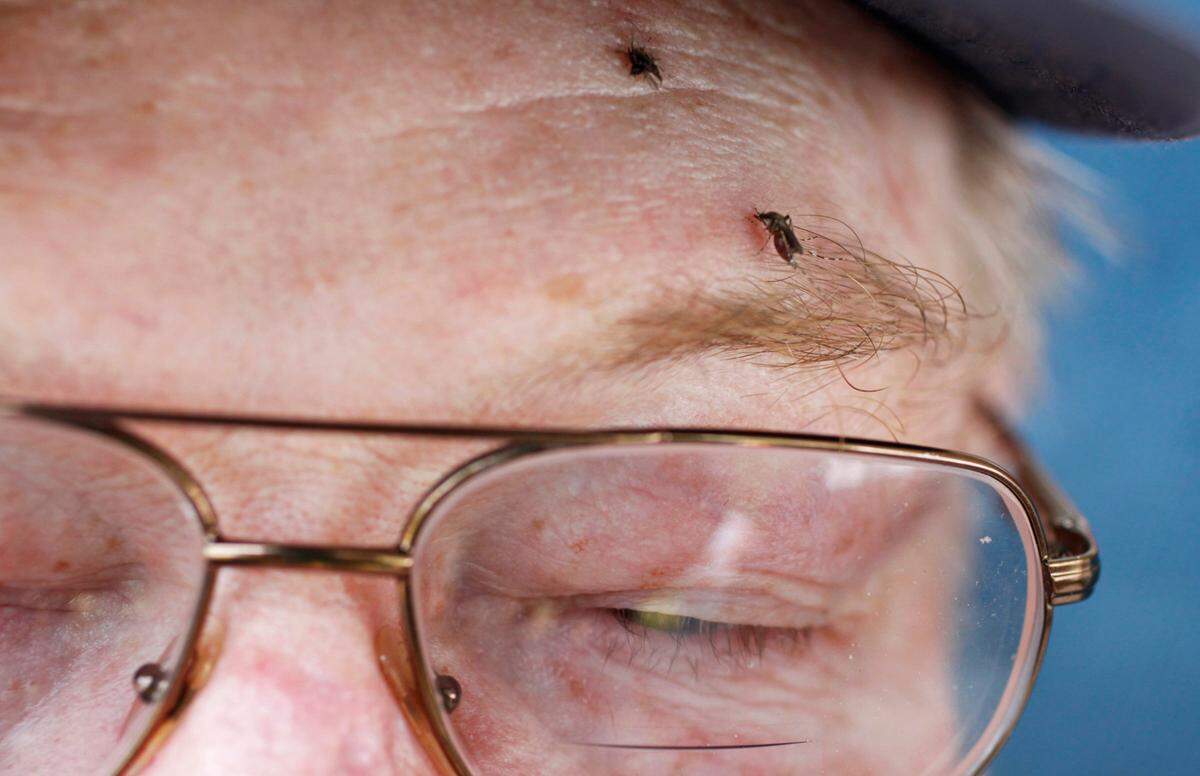
Tropical Storm Debby unleashed heavy rain across North Carolina this week, which created an ideal breeding ground for one of the state’s most prominent nuisance pests: mosquitoes.
North Carolina mosquito season runs from April to October, “when the warm, humid weather supports rapid breeding,” Orkin says.
There are at least 60 types of mosquitoes in North Carolina, according to the N.C. State Extension, and they can be more prevalent after storms.
Here’s what to know about a possible increase in mosquito activity, and how to keep them away from your home.
Why are mosquitoes more active after storms?
Rain from storms provide “a lot more opportunities for [insects] like mosquitoes to come out and play,” Laura Rosenwald, a National Pest Management Association entomologist, told The Charlotte Observer.
During a severe storm, “tree limbs that break off can create holes in the tree trunks where water collects and allow mosquitoes to breed,” according to the N.C. State Extension.
The first three life cycle stages of mosquitoes – eggs, larva and pupa – take place in water, so sources of water are necessary for mosquitoes to thrive.
“But mosquitoes really don’t need a lot of water in order to go through their life cycle,” said Rosenwald. “Some species actually only need about the size of a bottle cap in order to develop fully.”
How to keep mosquitoes away from your home
The first thing Rosenwald recommended to keep mosquitoes at bay was to get rid of any standing water near your home.
“You should try and eliminate mosquito breeding grounds as much as possible,” said Rosenwald. “And it can be weird things, so from flower pots to baby pools and dog bowls, and pretty much anything in between.”
Here are some other ways to keep mosquitoes out of your home, according to the CDC:
Install window and door screens.
Close doors, including garage doors. Do not leave doors propped open.
Use air conditioning when possible.
Rosenwald also suggested contacting a pest management professional to combat mosquitoes in your home and yard.
How are mosquitoes in NC dangerous?
Though mosquito bites are generally considered harmless, scratching a bite and breaking the skin can lead to a secondary infection, Rosenwald said.
Once the skin is broken, bacteria, such as strep or staph, can enter the skin, according to Clevland Clinic. This can result in cellulitis, a skin infection that causes red, swollen skin and fever.
In addition to the infection risk, mosquitoes are also vectors of life-threatening diseases.
“They are a big factor of many serious and potentially fatal diseases in the United States,” Rosenwald said. “The CDC has been reporting increases of West Nile virus, malaria and things like that.”
This story was originally published August 10, 2024 at 7:00 AM with the headline "Buzz off, mosquitoes! Here’s why you could see more after the storm (+ what to do)."