Can you be too old to drive in NC? Here are state guidelines for elderly drivers
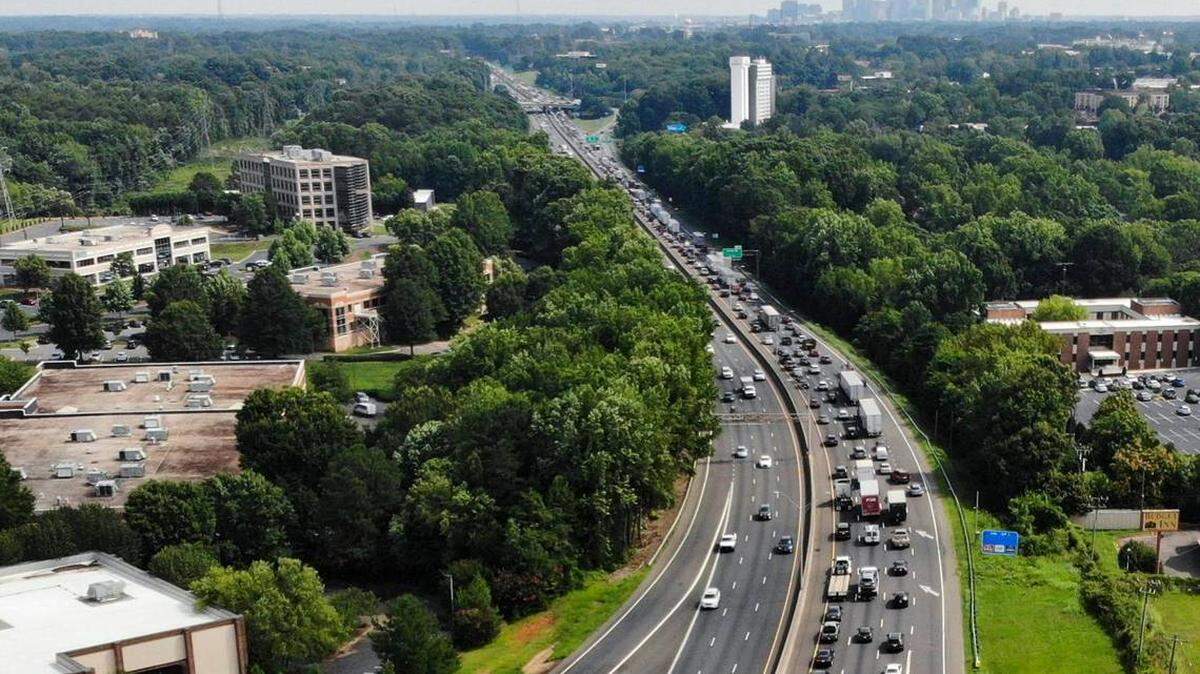
Retirees typically have more free time to cruise the roads, but recent data show the number of older people involved in accidents is growing.
From 2010 to 2019, there were 377,470 crashes involving drivers aged 65 and older, which accounted for 15% of all crashes during that time frame, according to the N.C. Department of Transportation.
While two-thirds of those crashes involved property damage only, there were 2,675 fatalities that resulted from the incidents. NCDOT data also show that there was a 69% increase in number of crashes among drivers aged 65 and older during that time period.
Nearly half (46%) of the older driver crashes occurred in North Carolina’s “Top 10 Counties,” including Mecklenburg, Wake and Durham, according to NCDOT.
Driving can be dangerous for older people because they can experience changes in their vision, hearing, mind and physical fitness, according to NCSeniorDriver.org, a site managed by the UNC Highway Safety Research Center. Seniors are also more at-risk for health conditions like arthritis, diabetes, dementia, Parkinson’s disease and stroke, which can all affect their driving.
Are there restrictions in place that limit older North Carolina drivers from driving? How old is too old to drive in the state? Here’s what state law says.
Can you be too old to drive in NC?
There is no age where you are considered too old to drive in North Carolina, but you will have to renew your license more often after you have reached 66 years old.
The Division of Motor Vehicles requires people 66 or older to renew their license every five years, while people younger than 66 have to renew their licenses every eight years.
“Aside from more frequent renewals, NCDMV policies do not include any age-specific requirements or restrictions for obtaining a renewal,” NCSeniorDriver.org says.
Can driving restrictions be placed on older drivers?
While there are no age-specific restrictions for obtaining a renewal, senior drivers could be referred to NCDMV’s Medical Review Unit Program.
This program evaluates drivers with medical conditions that could affect their ability to drive, including:
Seizures
Heart conditions, such as irregular heart rhythms or uncontrolled high blood pressure
Diabetes
Sleep disorders
Black outs or loss of consciousness
Impairment of limbs, back or neck, such as stroke or injury
Cognitive disorders, such as stroke, head injury or dementia
Vision disorders
Psychiatric disorders
Neurological disorders, such as Parkinson’s disease, dementia or neurodegenerative disorders
Substance use disorders
Licenses can be granted to those with certain medical conditions, but the review unit could set driving restrictions, including requiring corrective lenses, limiting travel to daylight hours and limiting driving to speeds under 45 miles per hour.
Drivers who do not follow the medical review unit’s decision can have their licenses canceled until they comply.
Reviews of a driver’s medical condition are conducted on a periodic basis, and can occur as often as every three months or as little as once every three years, depending on the severity of their condition.
Where do requests for medical evaluations come from?
Anyone can request that a driver be medically evaluated by filling out a request form online, but requests are typically submitted to NCDMV by:
Doctors who notify the DMV about patients who they feel might be at risk to themselves or others.
Law enforcement officers who have observed drivers with poor driving habits related to health problems, such as poor vision, slow reaction time or reports of falling asleep.
Wreck reports related to a medical condition that may have contributed to a motor vehicle accident.
Involuntary commitment orders submitted by the court system.
All recommendations must be made in the interest of public safety, according to NCDMV, meaning advanced age cannot be the only reason for a medical evaluation.
You can learn more at ncdot.gov/dmv.
Is driving at an older age more dangerous?
Data show senior drivers make up a sizable chunk of those involved in fatal accidents.
In 2022, 20% of all fatal crashes in the U.S. involved a driver aged 65 or older, according to the most recent data available from the National Highway Traffic Safety Administration (NHTSA).
Since older drivers can be more prone to accidents, insurance premiums are usually higher for drivers older than 75, according to Progressive.
The Insurance Information Institute suggests fatalities and injuries involving older drivers are a result of their increased susceptibility to injuries and slower reflexes and vision impairment.
Even though this segment of drivers is significantly smaller than younger drivers, “older drivers are keeping their licenses longer and driving more miles than ever before,” the consumer-focused publication says.
Are there signs that someone is losing their ability to drive?
There are physical signs that can show that an elderly person is losing their ability to drive. The NHTSA says changes in vision, physical fitness and reflexes may cause safety concerns.
Here are some signs the NHTSA says to look for that can weaken someone’s driving ability:
▪ Vision: You have problems reading highway and street signs or recognizing someone you know across the street. You have trouble seeing lane lines and other pavement markings, curbs, medians, other vehicles and pedestrians.
▪ Physical fitness: You have trouble looking over your shoulder to change lanes or looking left and right to check traffic at intersections. You have trouble moving your foot from the gas to the brake pedal or turning the steering wheel. You have fallen down — not counting a trip or stumble — once or more in the previous year.
▪ Reflexes: You feel overwhelmed by all of the signs, signals, road markings, pedestrians and vehicles that you must pay attention to at intersections. Gaps in traffic are harder to judge, making it more difficult to turn left at intersections or to merge with traffic. You take medications that make you sleepy.
For a full list of signs, visit nhtsa.gov/older-drivers.
Inspired by a story from the Kansas City Star.
This story was originally published August 20, 2024 at 3:22 PM with the headline "Can you be too old to drive in NC? Here are state guidelines for elderly drivers."