Can you bury a family member in your home’s backyard? Here’s what NC laws say
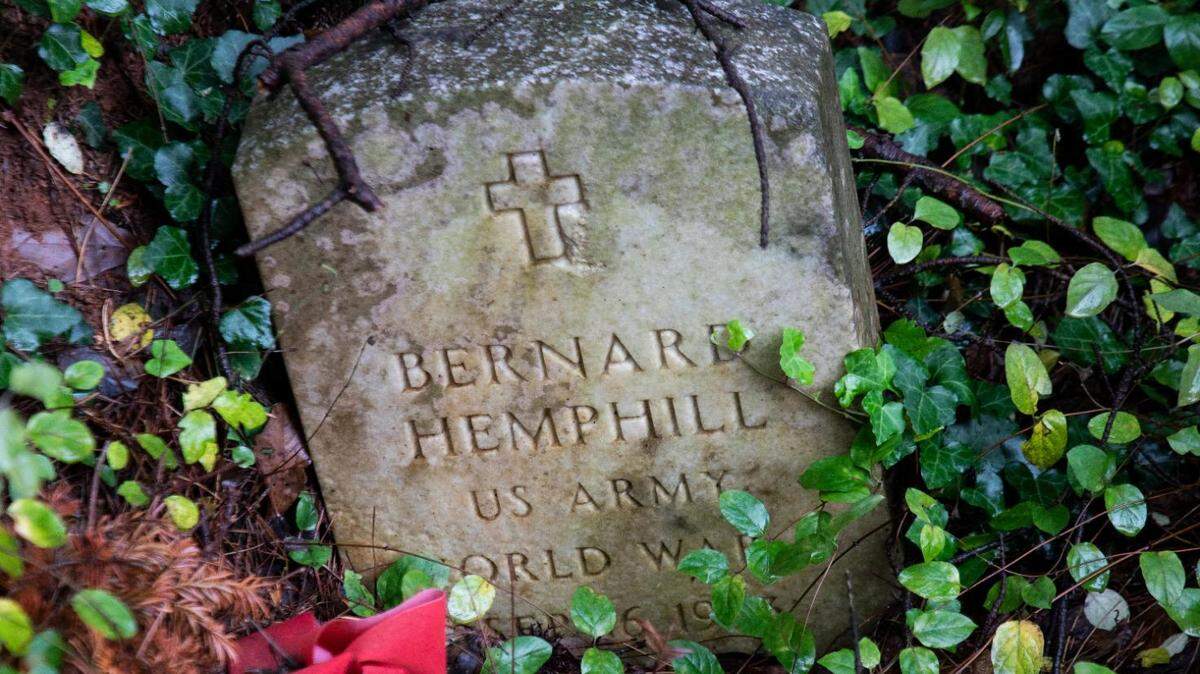
When some people lose a loved one, they may choose to keep them close to home.
If you want to memorialize a relative on property you own, you’ll have to follow North Carolina laws that regulate where human remains can be buried.
Here’s what to know about the state’s home burial laws.
Can you bury a body at home (or on your own property) in NC?
There are no laws in North Carolina that prevent home burials, but there are a few exceptions.
▪ State law requires all cemeteries to be at least 300 feet from a public water supply.
▪ The top of “burial vaults or other encasements,” must be at least 18 inches below the ground, state law says.
Raleigh-based Renaissance Funeral Home recommends checking with your local zoning office to determine if home burials are allowed, and ensuring the land for the burial is not on a floodplain or subject to any kind of natural disaster.
Do you need a funeral director and a casket for a home burial in NC?
In North Carolina, a family can conduct a burial without using a licensed funeral director, and caskets are not required by law, Renaissance Funeral Home says.
If you don’t use a funeral director, state law requires you to file a death certificate yourself. Death certificates must be filed with your county’s register of deeds within five days after the death.
Can you scatter ashes at home in NC?
State law allows ashes to be scattered on your own private property.
If you want to scatter ashes on someone else’s property, you must get written permission from the landowner and give it to the crematory.
The News & Observer has written previous explainers about scattering ashes, including where it’s legal to scatter ashes in the state and if local colleges allow the practice.
What if you want to sell your house?
If you want to sell your house, a homebuyer could move the gravesite on the property, according to NCRealtors.org.
“A landowner is under no duty to maintain graves located on their property, but they should at least leave them alone because there are criminal penalties for removing, altering, defacing, or desecrating graves,” NCRealtors.org says.
However, landowners can move gravesites if they give a 30-day written notice to the next of kin of the person who is buried, according to state law.
The landowner must file a “written certificate of the removal facts” with the register of deeds in the county they’re in within 30 days after the gravesite is relocated. The certificate must include the name of the person who was buried, a description for the previous gravesite and a description of the new one.
This story was originally published August 28, 2024 at 6:00 AM with the headline "Can you bury a family member in your home’s backyard? Here’s what NC laws say."