Get ready for an extra hour of sleep. Here’s when daylight saving time ends in NC
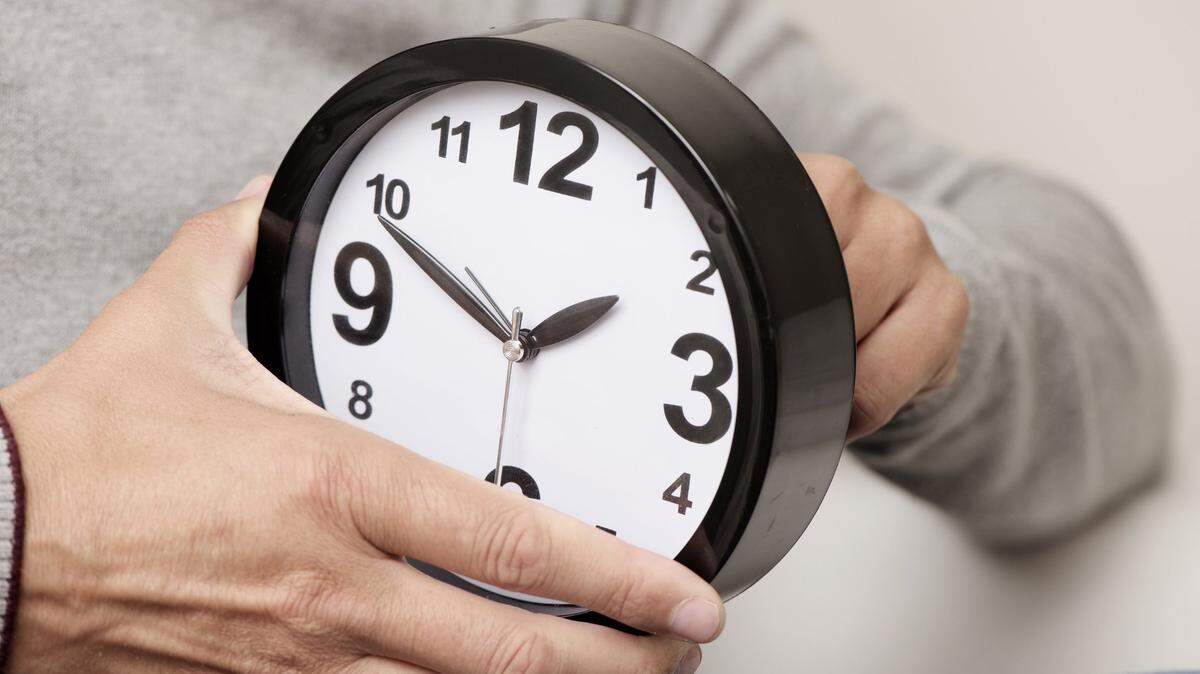
Daylight saving time is coming to end soon in North Carolina, which means it’s almost time for clocks to “fall back” one hour — and give us an extra hour of sleep.
Most of the U.S. begins daylight saving time on the second Sunday in March ahead of spring, then reverts to standard time on the first Sunday in November.
This year, daylight saving time ends on Nov. 3 at 2 a.m.
Though the times we adjust our clocks have been set for nearly six decades, daylight saving could become a thing of the past.
Last year, federal lawmakers introduced the Sunshine Protection Act, a move that would “make daylight saving time the new, permanent standard time.” and ensure Americans no longer have to change their clocks twice a year. But the bill has remained in the House since March of last year.
North Carolina bills filed in the Senate and House last year would have allowed the state to adopt daylight saving time year-round if approved by Congress, The News & Observer reported. Both, similar to previous bills filed over the years in the state, fizzled out.
What is the purpose of daylight saving time?
As the name implies, daylight saving time is a way to save energy and light during the spring and summer months.
A study by the U.S. Department of Energy found that the four-week extension of daylight saving time in 2008 saved about 0.5% of the nation’s electricity per day or 1.3 trillion watt-hours – enough to power 100,000 households for an entire year.
Studies have also shown that the extra hour of daylight has resulted in safer roads, lower crime rates, and economic benefits.
Critics, however, say more dark mornings could lead to grogginess for commuters and parents who drive their children to school, especially in the winter.
Other concerns about daylight saving time included disruptions to harvesting schedules for farmers, interference with religious observances based on solar and lunar time, and potential delays in reworking computer systems programmed to switch twice a year.
Is daylight saving always the same time of year?
According to the U.S. Department of Transportation, the Uniform Time Act of 1966 established national start and end dates for daylight saving time.
However, the act allows states to exempt themselves from observing daylight saving time under state law.
Arizona and Hawaii, along with the U.S. territories of American Samoa, Guam, the Northern Mariana Islands, Puerto Rico, and the Virgin Islands, observe permanent standard time, according to the National Conference of State Legislatures.
This story was originally published September 16, 2024 at 6:00 AM with the headline "Get ready for an extra hour of sleep. Here’s when daylight saving time ends in NC."