
Durham museum swaps red wolves with NY center to help save an endangered species
Durham’s Museum of Life and Science is welcoming a pair of endangered red wolves to replace a family the museum recently sent to a New York conservation center.
The new wolves, male Oka and female Martha, arrived in Durham on Monday from the Wolf Conservation Center in South Salem, New York.
In return, the Durham museum sent a mating pair named Oak and Adeyha and their five pups to the 26-acre New York environmental education center. The Association of Zoo and Aquariums’ Saving Animals From Extinction initiative arranged the swap, along with the U.S. Fish and Wildlife Service.
“This exchange is a critical step in preserving Red Wolves and fostering their long-term survival,” Sherry Samuels, the Museum of Life and Science’s senior director of animal care, wrote in a statement.
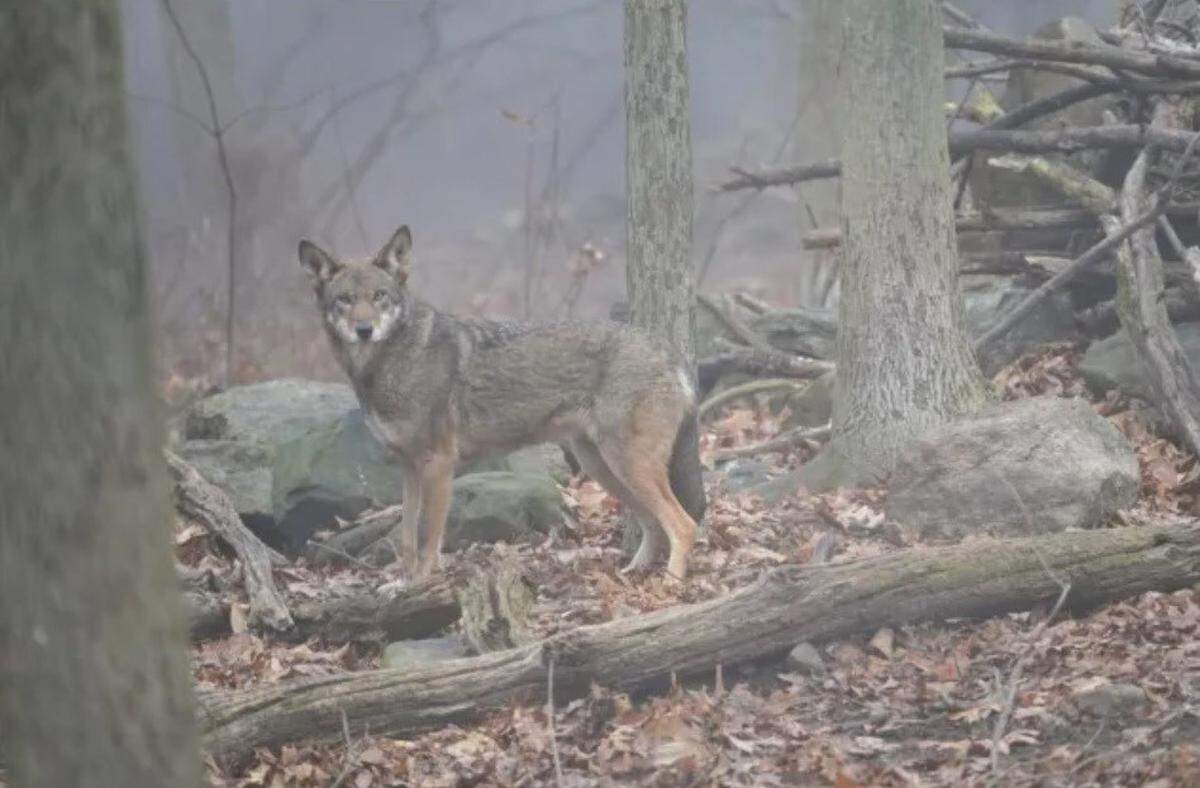
There are only 16 confirmed red wolves in the wild, with the Fish and Wildlife Service estimating there are likely one to three additional wild wolves. The wild population lives only in a five-county region on and around the Albemarle Peninsula in Northeastern North Carolina.
Another 290 red wolves live in captivity across the United States as part of what conservationists call the SAFE population.
The SAFE population represents the genetic fail-safe for the entire population and much of the future recovery potential for the species,” officials with the red wolf recovery team wrote in a 2023 red wolf species recovery plan.
The recovery team is made up of U.S. Fish and Wildlife Service officials, researchers and nonprofit employees who are interested in the red wolf recovery.
Some wolves from the captive population are introduced into the wild, often as part of an effort to expand the number breeding pairs. . Between 2020 and 2023, 24 wolves and 5 pups were introduced into the wild.
The recovery plan includes the goal of growing the captive population to at least 400 wolves in order to both bolster the wild population and maintain genetic diversity among red wolves. Reaching that target will take about 20 years, according to the plan.
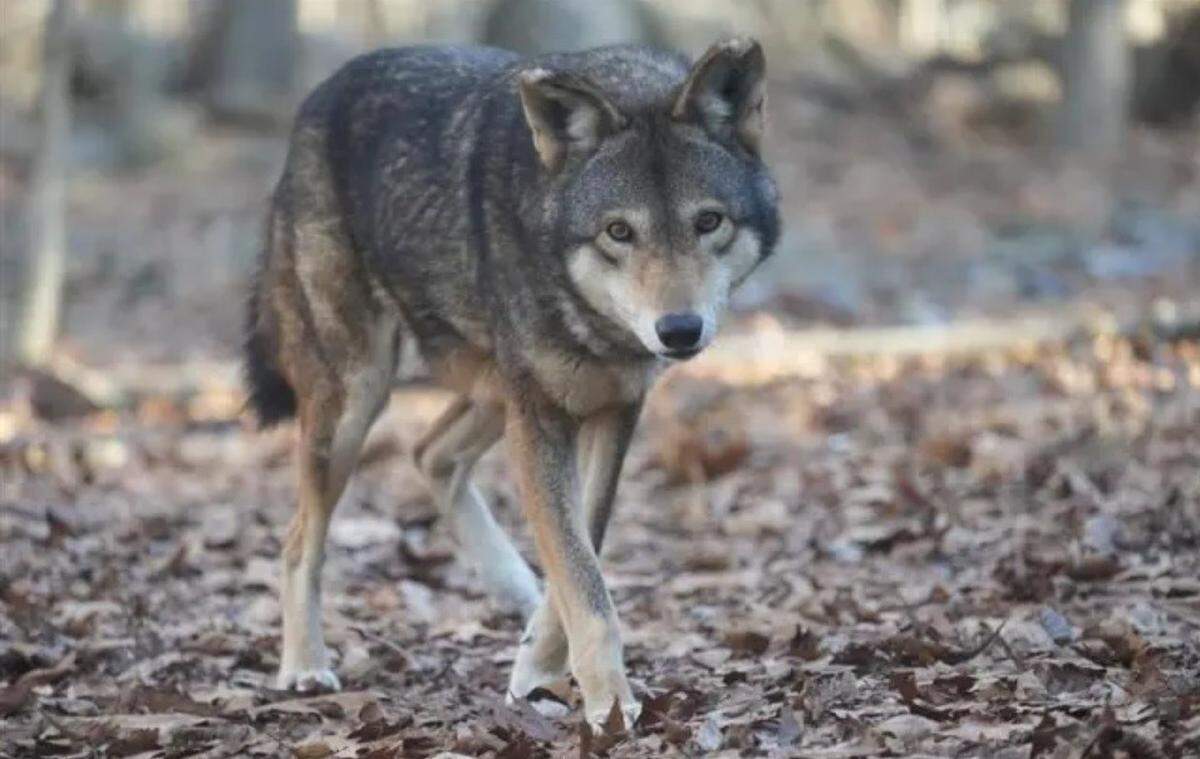
On April 21, 2004, Oak, the female in Durham’s previous pair, gave birth to five pups that were named after North Carolina trees — Cedar, Juniper, Maple, Sassafras and Tupelo.
Officials with the SAFE initiative moved the family to the Wolf Conservation Center so they could be kept together in a larger habitat.
The SAFE program also wanted Oak and Adeyha to be kept together to potentially breed again in 2025 and expand their family. The Wolf Conservation Center habitat is three times the size of the Durham habitat, potentially allowing the family to continue to grow, Samuels said.
“While it is bittersweet to see them move on, there is excitement that the family will remain together,” Samuels said in September.
Like Adehya and Oak, Martha and Oka are a mating pair. The new-to-Durham wolves bred last year but Martha’s pregnancy did not produce pups, said Ro Rode, a Museum of Life and Science spokeswoman.
“We have high hopes for this year,” Rode said.
The public is welcome to observe Martha and Oka in their new habitat, but Museum of Life and Science officials warn they may “take some time to adjust to their new home.”
This story was produced with financial support from the Hartfield Foundation and Green South Foundation, in partnership with Journalism Funding Partners, as part of an independent journalism fellowship program. The N&O maintains full editorial control of the work. If you would like to help support local journalism, please consider signing up for a digital subscription, which you can do here.
This story was originally published October 23, 2024 at 5:30 AM with the headline "Durham museum swaps red wolves with NY center to help save an endangered species."