Why are so many people sick right now? Be aware of these 4 illnesses in NC this winter
Editor’s note: Find updated information about winter viruses circulating North Carolina here.
It really does feel like everyone’s getting sick right now. And the numbers back that up.
We talked to Dr. David Weber, an infectious disease specialist at the UNC School of Medicine, to learn which illnesses are spreading across North Carolina and how to best protect ourselves this holiday season.
Which respiratory illnesses are going around North Carolina?
We’re in what Weber is calling a “quadrupledemic” — the latest variant of COVID-19, influenza, RSV and walking pneumonia are the biggest dangers in North Carolina this year.
Simple definitions:
▪ COVID-19: A contagious and easily spreadable respiratory illness caused by a virus. Anyone infected can spread it, even if they don’t have symptoms. Over 1 million people in the U.S. have died from it, and its complications include “long COVID,” which is a chronic condition that can cause permanent disability. (Info: CDC)
▪ Influenza (flu): A contagious and spreadable respiratory illness caused by influenza viruses that infect the nose, throat and lungs. The illness can be mild to severe. (Info: CDC)
▪ Respiratory syncytial virus (RSV): A common respiratory virus that causes mild symptoms in most people, but it’s the leading cause of infant hospitalization in the U.S. It infects the nose, throat and lungs and can be difficult to tell apart from the common cold. (Info: CDC)
▪ Walking pneumonia: A contagious respiratory illness caused by a bacteria. Most infections are mild, although the cough may last for several weeks (and people might not stay in bed when they have it, coining it “walking pneumonia”), but it can cause serious lung infections and require hospitalization. (Info: CDC)
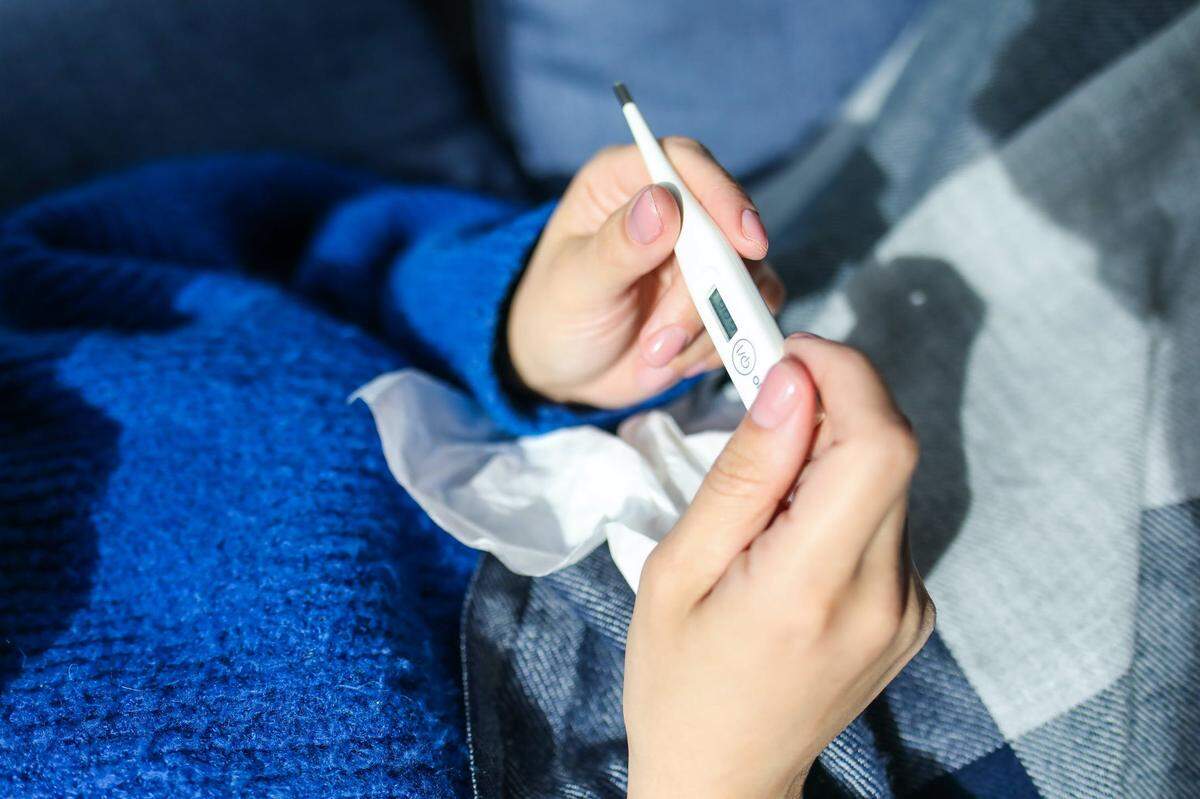
Who’s most at risk of catching these winter viruses?
Young children are the most at risk of all four of these respiratory illnesses, and older adults are also at risk, but the general population should be cautious of all of them.
Flu and RSV numbers are steadily increasing this December (as they usually do), while COVID cases are staying pretty flat, Weber said. Walking pneumonia cases are also high for this time of year.
The latest COVID variant is highly contagious, and numbers are expected to reach a peak for all four diseases after Christmas, Hanukkah and New Year’s celebrations end in early January.
Severe flu cases in particular are expected to rise in the coming weeks, and metro areas like Raleigh and Charlotte are expected to see the worst peaks, The Charlotte Observer recently reported.
In 2023, emergency department visits for flu-like illness made up 17% of total visits in the Charlotte metro region and 9.3% in the Raleigh-Durham region during the week of Dec. 30, data from the NC Department of Health and Human Services shows. (For comparison, visits for flu-like illness made up 9% and about 4% of total visits in early December, respectively, in each region.)
Can you get COVID & flu at the same time?
Yes, it’s not uncommon to get coinfections. About 3% to 5% of people get hit with more than one viral respiratory disease at the same time, Weber said.
Some at-home tests can detect both COVID and flu. Medical offices will test for more than one virus too.
How does 2024 compare to last year?
The numbers of cases this year are not quite as bad as case counts last year, Weber said.
“We usually see bumps after Thanksgiving, Christmas and New Year’s, so our peak is in early January to mid February. They come after people are traveling, we’re doing family and religious gatherings. All of that leads to these bumps,” he said.
We regularly see these diseases spike in the winter, since the viral respiratory diseases thrive in low temperatures and low humidity, he said. Plus, we’re indoors more without much airflow, and we heat our homes, which dries out our mucus membranes.
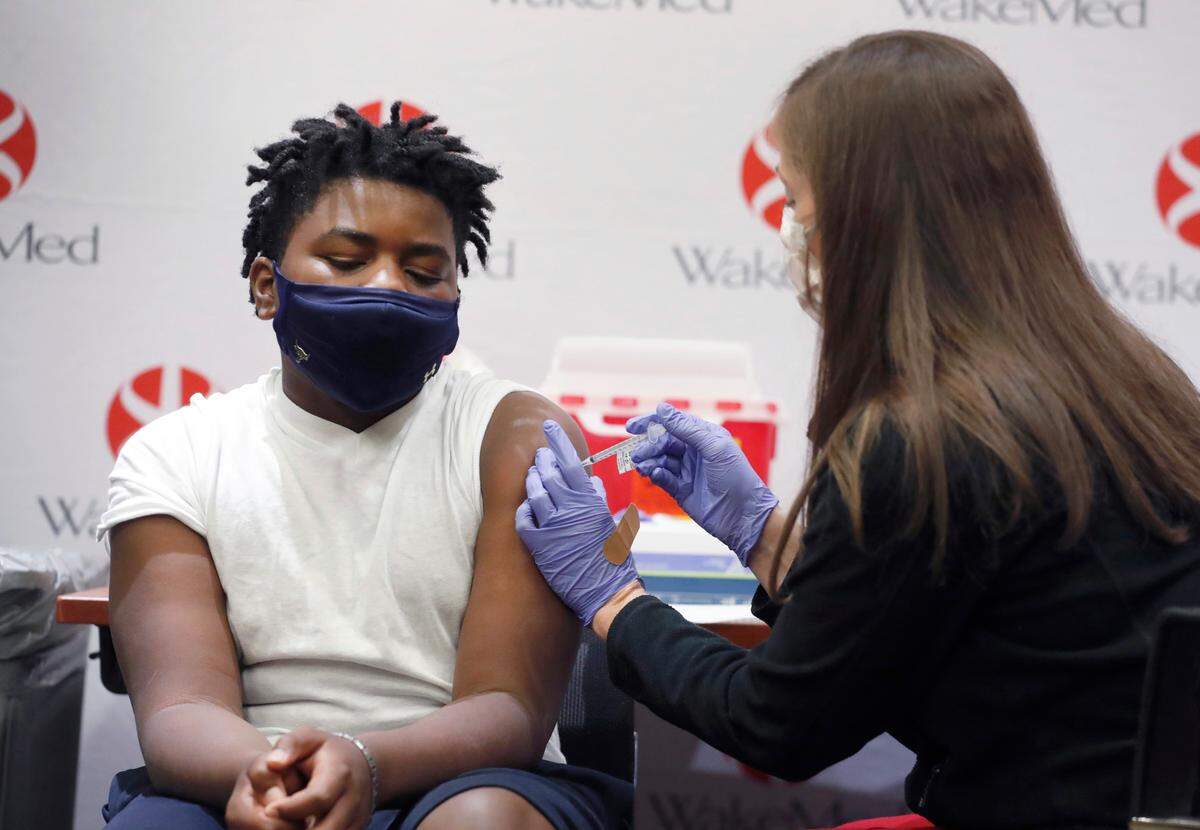
How to avoid COVID, flu & RSV
There are quite a few ways we can protect ourselves, according to the CDC. Make sure you:
▪ Wear masks: All of these respiratory illnesses can be spread through airborne virus or bacteria particles. Be sure to wear them especially when you’re indoors in large crowds, since we’re seeing case counts increase this time of year.
▪ Get vaccinated: Most people 6 months and older are recommended to get a flu shot and the most recent COVID shot. RSV vaccines are mostly recommended for adults 75 and older and very young children. There’s also a high-dose flu vaccine for older adults. (There’s no vaccine for walking pneumonia.) Pregnant people are especially encouraged to get vaccinated to protect themselves and the fetus, Weber said.
▪ Take early therapies: There are simple and effective oral antiviral therapies for flu and COVID, but you need to start them early, Weber stressed. You only have 48 hours from the earliest symptoms for flu cases and five days for COVID cases. (Oral antibiotics can treat walking pneumonia. And while there’s no therapy for RSV, there is a vaccine for older adults and pregnant people.)
▪ Stay safe the old-fashioned way: Cover your nose and mouth when you sneeze, wash your hands with soapy water (or use alcohol-based sanitizer if you can’t), open windows to promote airflow and stay home and secluded when you’re feeling under the weather.
Is it too late to get a flu, COVID vaccine?
No, it’s definitely not too late, Weber said.
It takes one to three weeks to develop immunity from a vaccine, so if you’re going to travel for Christmas or Hanukkah in one week and/or for New Year’s in two weeks, there’s still time to get that vaccine and immunity.
“It’s like mailing your letter to Santa if you want a Christmas present to arrive,” Weber said.
“You can’t wait until Christmas Eve to mail it off. But there’s still time right now.”
An estimated 33% of adults in North Carolina have received their flu shot this season, according to the latest CDC data available.
Where to get a COVID or flu vaccine in North Carolina
Visit covid19.ncdhhs.gov/vaccines and enter your zip code find a vaccine near you. In general, you can also check out:
▪ Pharmacies: Walk in or schedule appointments at national pharmacies like CVS and Walgreens. You can also inquire with local neighborhood pharmacies.
▪ Grocery and big box stores: Walk in or schedule appointments at stores like Walmart, Target, Harris Teeter, Publix and Carlie C’s.
▪ Your healthcare provider: Of course, you can contact your doctor for an appointment.
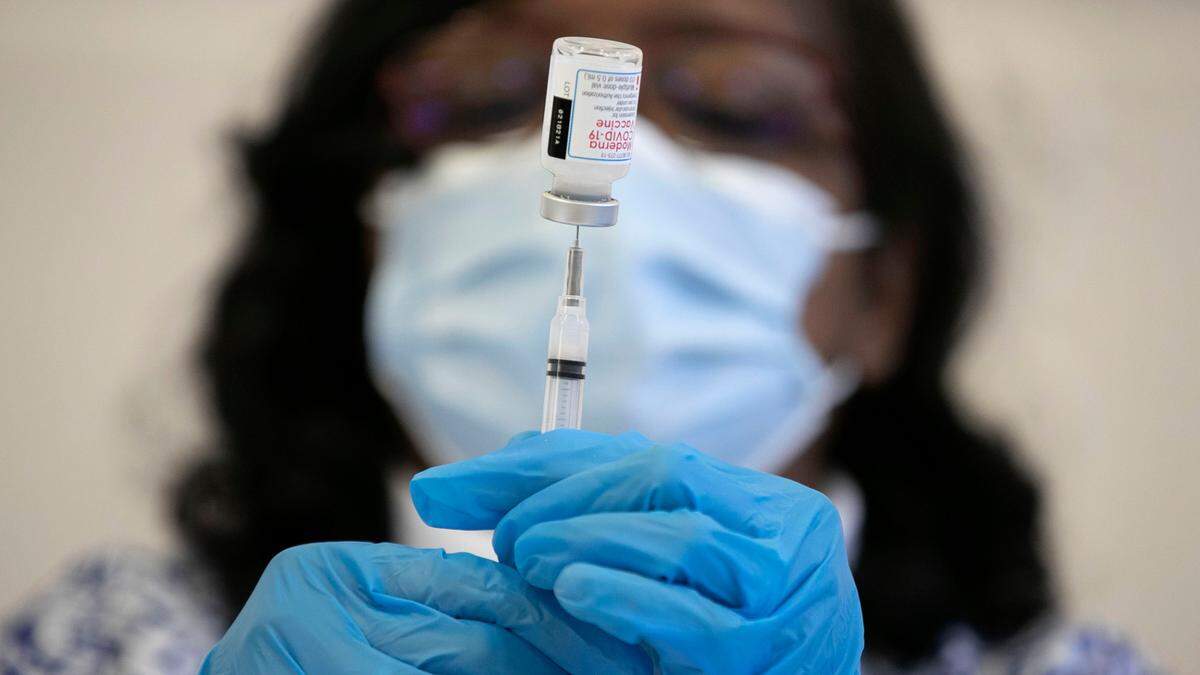
Get free masks in Raleigh, Charlotte NC
As COVID cases surge in the state, Charlotte and Raleigh groups are distributing free N95 masks for those who want them.
CLT Mask Bloc and Triangle Mask Bloc, nonprofit organizations dedicated to distributing free masks, says their goal is to “provide respiratory protection to all who need and want it, especially when the resources we expect support from fail us.”
You can fill out mask request forms on the CLT Mask Bloc website (cltmaskbloc.org) and the Triangle Mask Bloc website (trianglemaskbloc.carrd.co). Find other bloc locations across the country at cltmaskbloc.org/info/other-blocs.
The Observer’s Evan Moore contributed to this story.
This story was originally published December 18, 2024 at 8:39 AM with the headline "Why are so many people sick right now? Be aware of these 4 illnesses in NC this winter."