NC’s yellow pollen is gone, so why are you sneezing now? What’s likely to blame
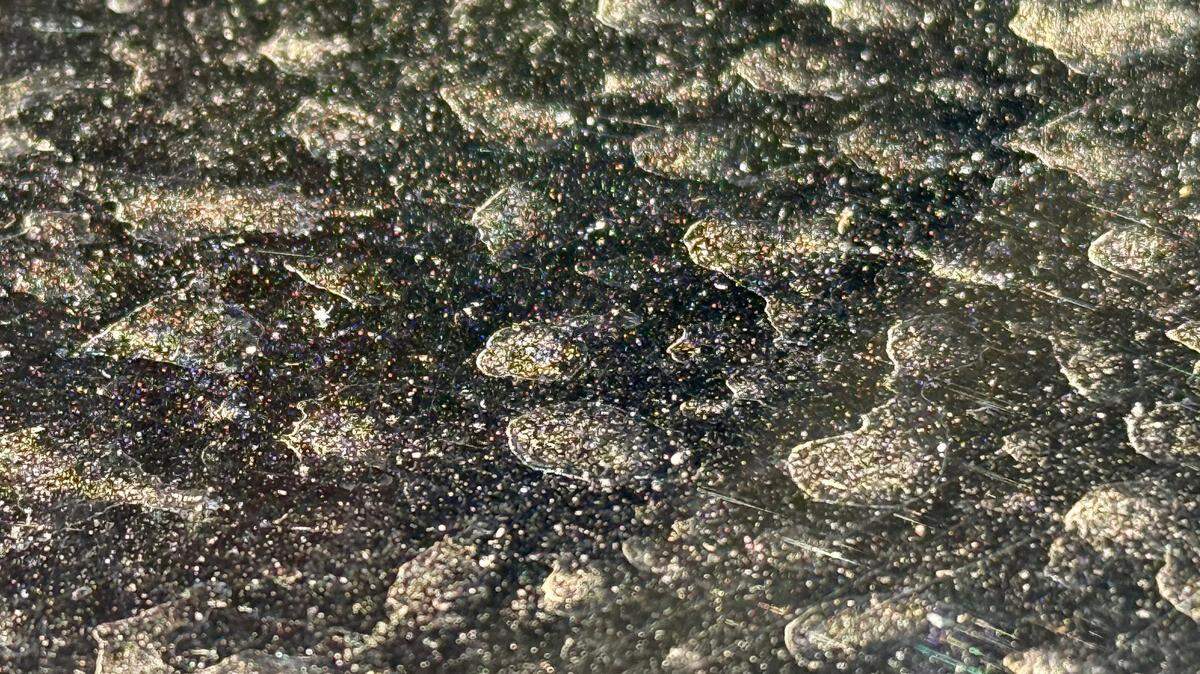
Pine pollen has finally stopped falling in central North Carolina and you can sit on your patio in a pair of navy-blue shorts without looking like you fell into a glazed lemon pound cake.
Except, when you do, it sets off a sneezing fit, you start coughing or your head gets stuffed up like a hornet’s nest after sundown.
Here’s why.
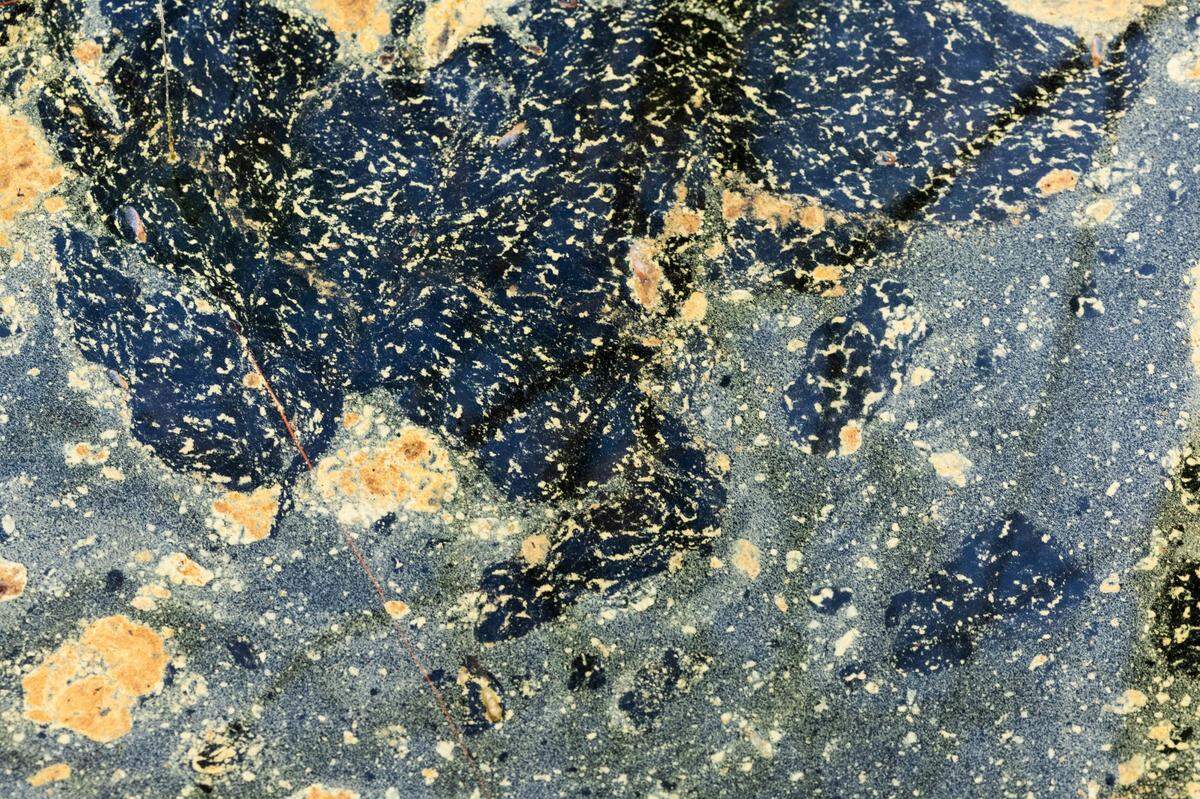
Pine pollen is not a common allergen
A few people are allergic to pine pollen, but for most, it’s just a chartreuse nuisance for three weeks in spring. It’s more likely to trigger obsessive sweeping than a histamine response.
What’s really causing the watery eyes and runny nose?
Allergic responses to the pollen from grasses and hardwood trees are much more common than to pine pollen.
N.C. State University’s College of Natural Resources says the pollen from hardwoods is more allergenic than pine pollen because the hardwood pollen grains are smaller and lighter, making it easier for them to blow around and get inhaled.
Cedar, maple, elm and oak also produce a more rough-grained pollen compared to pine, and the rougher the grain, the more likely it is to trigger an allergic response, NCSU says.
In the past week or so, the N.C. Department of Environmental Quality, which measures the amount of pollen in the air at a testing station in Raleigh, has been reporting moderate to high levels of grass and tree pollen.
Oak pollen, a common irritant, has been dominant along with pine, though pine is waning.
Weed pollen also triggers allergies in many people, but those usually don’t get added to the mix until late summer or early fall. Ragweed is a common culprit whose pollen appears in North Carolina in August, lasting into November.

Is the spring allergy season getting worse?
NCSU researchers say climate change has caused pollen to appear earlier and stick around longer. The extended growing season can prolong allergy-sufferers’ misery.
How to reduce your reaction
Sure, you could stay inside, but who wants to do that when it’s sunny and 75 degrees, especially when 90-plus temps will be here soon enough?
UNC health has these suggestions:
▪ Don’t spend time outside in early to mid-morning, when pollen counts are highest, and stay in on dry windy days when pollen is scattered.
▪ When coming in from outside, change clothes in case what you were wearing is covered in pollen.
▪ On days when forecasts call for high pollen counts, take an over-the-counter anti-histamine before symptoms start if your doctor says it’s OK. Antihistamines may raise blood pressure, so check first to see if it’s safe.
▪ Close your windows when pollen counts are high.
▪ Consider using a portable air-filtering unit with a HEPA filter in your bedroom.
▪ Cover your mouth and nose with a dust mask when doing yard work or other outside chores.
And remember that without spring pollen, there is no summer watermelon.
This story was originally published April 23, 2025 at 9:44 AM with the headline "NC’s yellow pollen is gone, so why are you sneezing now? What’s likely to blame."