Ticks can pose a serious danger in NC. What you need to know
Thousands of cases of tickborne diseases are reported annually in the U.S., the Centers for Disease Control and Prevention says.
One of the latest victims was Kevin Redding, the executive director for Piedmont Land Conservancy, an organization dedicated to preserving land, family farms and waters in North Carolina’s Piedmont region.
“Last week, our Executive Director Kevin had a health scare,” Piedmont Land Conservancy wrote in an Instagram post. “After several days of high fever, he was admitted to the hospital. Many tests later, he is now being treated for Ehrlichiosis, a bacterial disease spread by tick bites. We’re very happy to say that after starting antibiotics, Kevin is recovering well.”
“While Ehrlichiosis is relatively rare, tick-borne illnesses can be serious, and ticks are most active in the warmer months,” the post continues.
The Charlotte Observer spoke to Chris Hayes, an extension associate of structural pest management at NC State University who specializes educating the pest management industry on critter habits, to learn more about these arachnids – and the types of organisms they like to feed on for blood meals.
Here’s what you need to know.
Are ticks bad this year?
They could be, due to the relatively mild winter North Carolina just had, Hayes said. That causes fewer ticks to die off.
“So, you could see more ticks. That’s just kind of a reality of climate change, that as winters become milder and spring sets in earlier, then there are likely more ticks,” he said.
How many types of ticks are in NC?
There are lots of different types of ticks in North Carolina, but the most common ones are the American dog tick, black-legged tick and the lone star tick, Hayes said.
Where are ticks found in NC?
The three most common ticks in North Carolina can be found along wooded paths, in recreational parks, farm pastures, wastelands and other shrubby habitats in rural and suburban areas of the state, according to the NC State Extension.
The American dog tick is found throughout North Carolina, but it is most common in the Piedmont area.
What do these ticks look like?
The American dog tick is a darker, medium, brownish color as an adult, with “creamy colored markings on their body,” Hayes said.
“These are the ones that most people find on their dogs,” he added. “The female will swell to a massive size over the course of several days of feeding, and she, at that point, becomes fully discolored, and she’s a grayish color.”
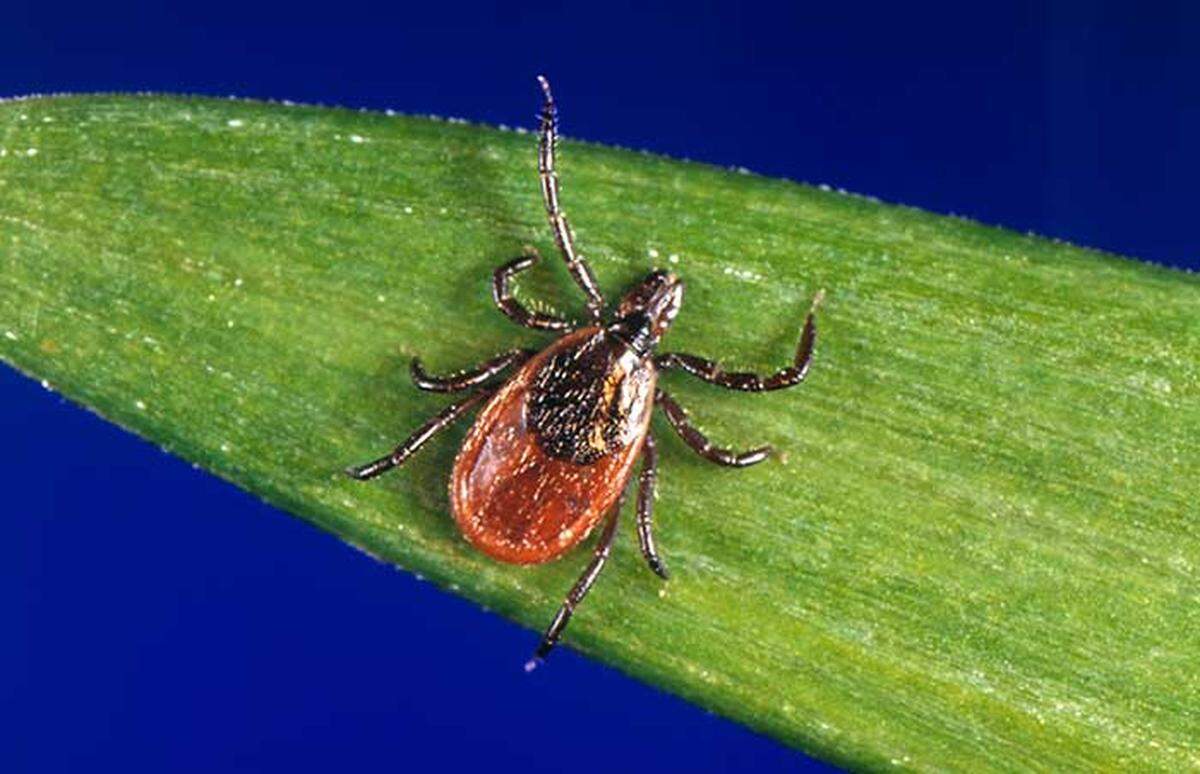
The black-legged tick is what you would imagine a “stereotypical” tick to look like, with a light brown body and a darker brown scutum, a hardened plate on the dorsal surface of a tick that Hayes likened to a shield, and long black legs. These ticks also turn a grayish color when they’re feeding, Hayes said.
The lone star tick, the “most distinct” of the three, gets its name from the white dot in the middle of their backs, Hayes said, adding that females typically have brown bodies.
How likely are ticks to bite?
Very likely, Hayes said.
“They are ravenous hunters,” Hayes said. “They’ll go up on a blade of grass or or a weed that’s growing up, and they put their front legs out, and they wave them back and forth, almost like they’re at a dance party.”
“They’re trying to smell you,” he continued. “And as you get closer and they pick up on your odor and your body heat, they will start aggressively moving towards food. So they are actually really aggressive at pursuing food.”
However, some ticks prefer organisms other than humans when they’re looking for their next blood meal.
For example, in each stage of the American dog tick’s life cycle, it feeds on a different animal, according to the NC State Extension. Larvae only feed on mice, while nymphs prefer medium-sized mammals, such as possums and raccoons — but adult dog ticks readily feed on humans.
Are tick bites dangerous?
They can be, Hayes said, noting that “ticks vector a ton of different diseases.”
One of the most common diseases ticks can transfer is Lyme disease, Hayes said. The black-legged tick is the primary vector for Lyme disease in the southeast, according to the NC State Extension.
Tick-borne diseases
Lyme disease can cause rash and flu-like symptoms in its early stages, but lead to cardiovascular, neurological and arthritic signs as it progresses if not treated properly, the extension says.
Another common disease ticks spread is Rocky Mountain spotted fever, a disease that is very prevalent in North Carolina, Hayes said.
“North Carolina typically reports the highest number of those cases of that disease in the United States every year,” said Hayes.
Symptoms of Rocky Mountain spotted fever include headache, fever, chills, aches, pains and nausea, which are usually accompanied by a rash that starts on the wrists and ankles, according to the extension. The bacteria can also be deadly if left untreated.
Recent research has also linked the lone star tick to the “alpha-gal allergy” where the tick bite can result in the person developing an allergy to mammal meat, such as beef, pork and lamb, according to the extension.
Where on your body are ticks likely to bite?
The most common sites for tick bites include your scalp and neck, legs, ears, under your arms — and in your belly button, according to Cleveland Clinic.
What are the symptoms of tick bites?
Most tick bites don’t cause pain or itching, so you may not even know if you were bitten by a tick, according to Cleveland Clinic.
“The tick bite itself may not cause symptoms except for some type of skin reaction, like a rash or a small hard lump,” the Cleveland Clinic says. “The infection that tick bites can give you may begin to cause symptoms.”
Those symptoms include:
Fever
Chills
Muscle pain
Headaches
Tiredness
Itchiness or irritation, but usually not right away
Skin rash
Tick bites often aren’t noticed until the arachnids have fed on your blood and they become larger, which is why it’s important to check yourself for tick bites when you’ve been in places where they live.
What should you do if you are bitten by a tick?
If you’re bitten by a tick, the first thing you should do is don’t panic, Hayes said.
“The next thing you need to do is find a way to remove the tick safely and make sure you get all of the tick out of your body,” he continued.
Hayes emphasized “safely” removing ticks from your body due to the common misconceptions that ticks can be removed by applying Vaseline or cleaning fluid to the bite site, squeezing them or holding a burning cigarette near the tick to cause it to dislodge.
In fact, these tick removal methods could do more harm than good to your body.
“When we do things like that, oftentimes it causes the tick to vomit into your blood, and your chance of getting sick can really go up if that happens,” Hayes said. “So you don’t want to stress the tick out.”
You can safely remove ticks by tying a knot around a ticks head with dental floss and popping it off, or use the tines of a fork to slide it in between the tick and your skin to pull it off, Hayes said. Many first-aid kids with tools to remove splinters can also be used for ticks.
How keep ticks away from your body and your home
To keep ticks away from your body, Hayes suggested wearing protective clothing and using repellents, such as those with DEET and Picaridin, two chemicals that repel critters.
“If you’re hiking and you’re in areas where there’s a lot of tick activity or you just want to be safe, wear long pants and tuck your pants into your socks,” Hayes recommended. “You might say you look goofy, but now the ticks have to come all the way up your legs to try to find a place to bite you. They can’t just go through or go underneath your pants.”
You can also get a special detergent.
“Another thing you could do that is a great way to prevent them, especially if you’re spending even more time outside, they make products you can wash your clothes in that actually impregnate them with an insecticide for a period of time,” Hayes explained. “And that can be really protective and really useful, especially if you’re one of the hunters we have here in North Carolina.”
To manage the tick population around your home, Hayes suggested keeping your yard clean and preventing it from becoming overgrown. If the problem persists, you could hire a pest control company to treat the perimeter of your property, where ticks first enter your yard, with an insecticide, Hayes said.
How to prevent tick bites on dogs, pets
For pets, Hayes suggested putting them on medications that can prevent flea and tick infections.
These medications often come in pills and chewable tablets that are easy for pets to ingest, he said.
This story was originally published May 19, 2025 at 4:47 PM with the headline "Ticks can pose a serious danger in NC. What you need to know."